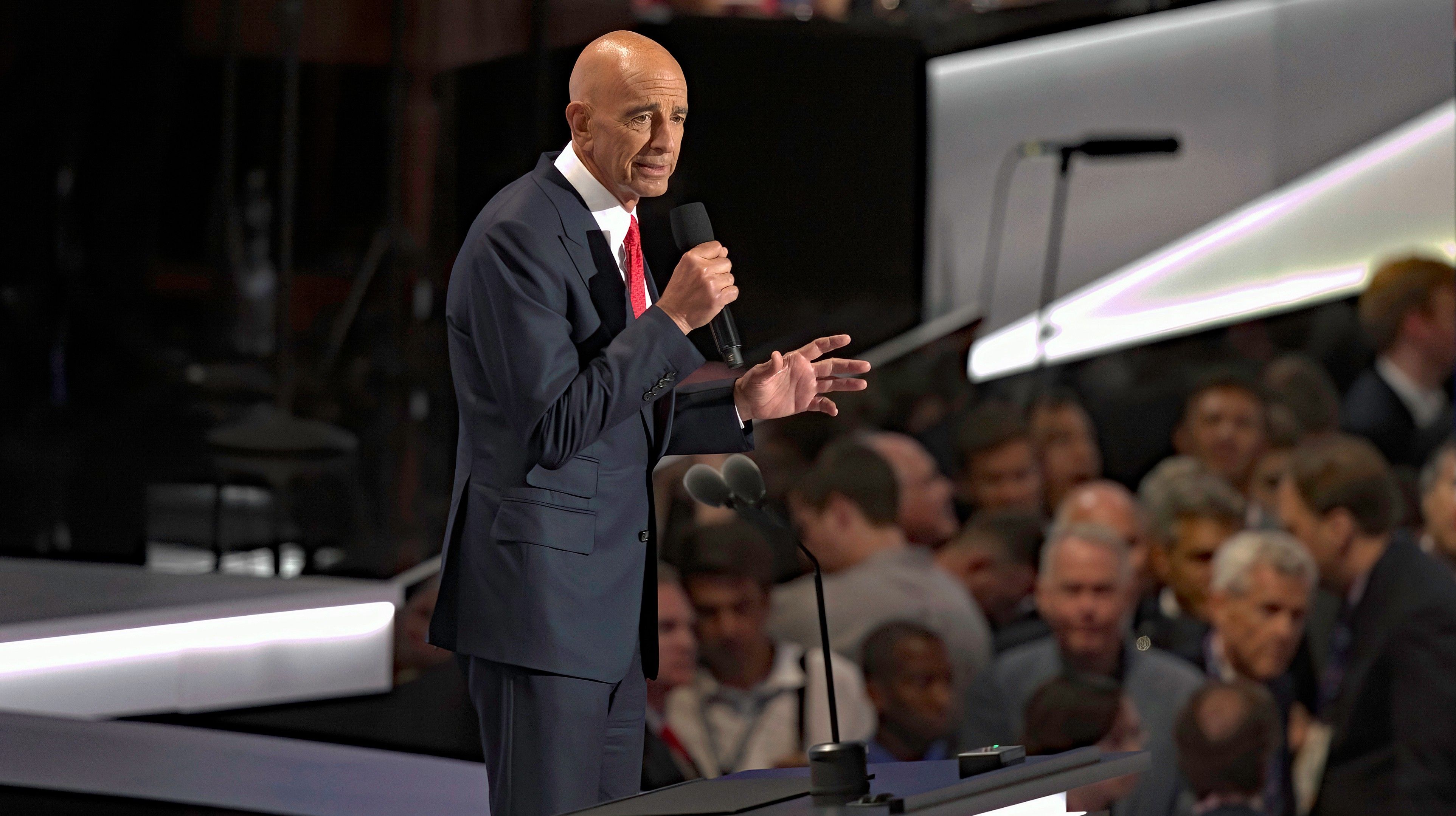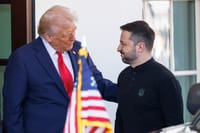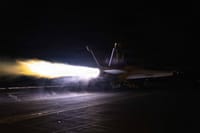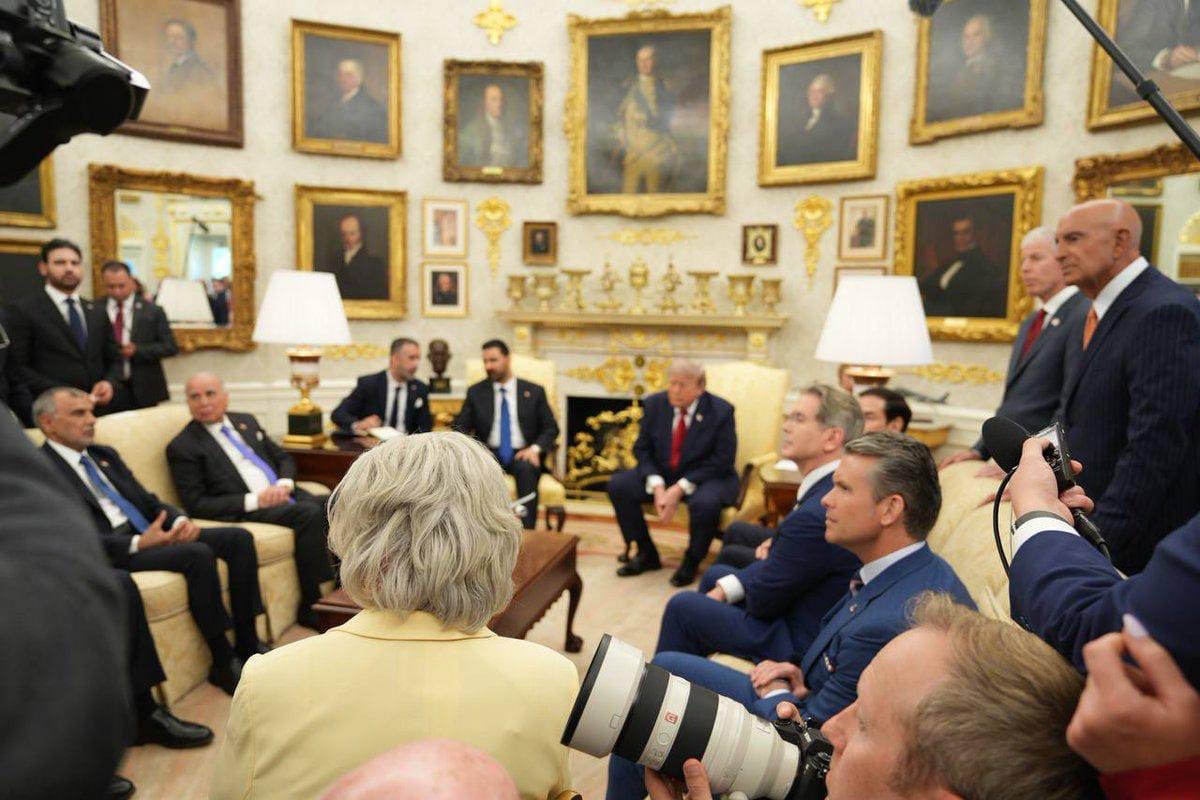
Tom Barrack, the U.S. ambassador to Turkey and President Donald Trump's special envoy for Syria, finds himself at the heart of an unprecedented crisis that could end his diplomatic career. In a lengthy podcast interview with Mario Nawfal last week, he addressed an Israeli airstrike on the Syrian air force base Abu al-Duhur.
Rather than defending America's closest Middle East ally, the ambassador cast doubt on Israeli intelligence, hinted at ulterior political motives, and used language that directly contradicted President Trump's official foreign policy.
The most explosive statement concerned the Golan Heights. Barrack claimed Israel "still holds the Golan Heights in violation of UN resolutions and contrary to the entire international order." This was no academic observation. In 2019, Trump himself signed formal U.S. recognition of Israeli sovereignty over the Golan, one of the most symbolic and significant decisions of his first term.
He later attempted to clarify his remarks. In a statement to the Associated Press, he insisted that U.S. policy "was set by President Trump in 2019 and has not changed," and that he was merely describing the UN's historical position. But the clarification came too late. The damage was done.
Equally troubling was his assertion that Israeli intelligence about Turkish intentions to deploy forces at the Syrian base was false. According to Barrack, the United States investigated the information and found it baseless. He even floated a theory that Israel was trying to "lure" Turkey into war, an aggressive move designed to serve Israel's domestic election calendar. He also accused Jerusalem of failing to provide adequate advance warning to Washington before the strike.
Israeli Defense Minister Israel Katz issued a rare Shabbat statement calling Barak's remarks "full of inaccuracies" and contradicting President Trump's own position. Foreign Minister Gideon Sa'ar joined the criticism.