Get our mobile app
Download on the App StoreGet it on Google Play

White House drama

Trump halted Iran strike at last minute

Al Arabiya reveals: US forces were at peak readiness for a massive strike on Iran, rearmed with thousands of missiles,  until Trump made a last-minute decision. Behind the scenes of the economic pressure, Qatari mediation and the real reason for the pullback

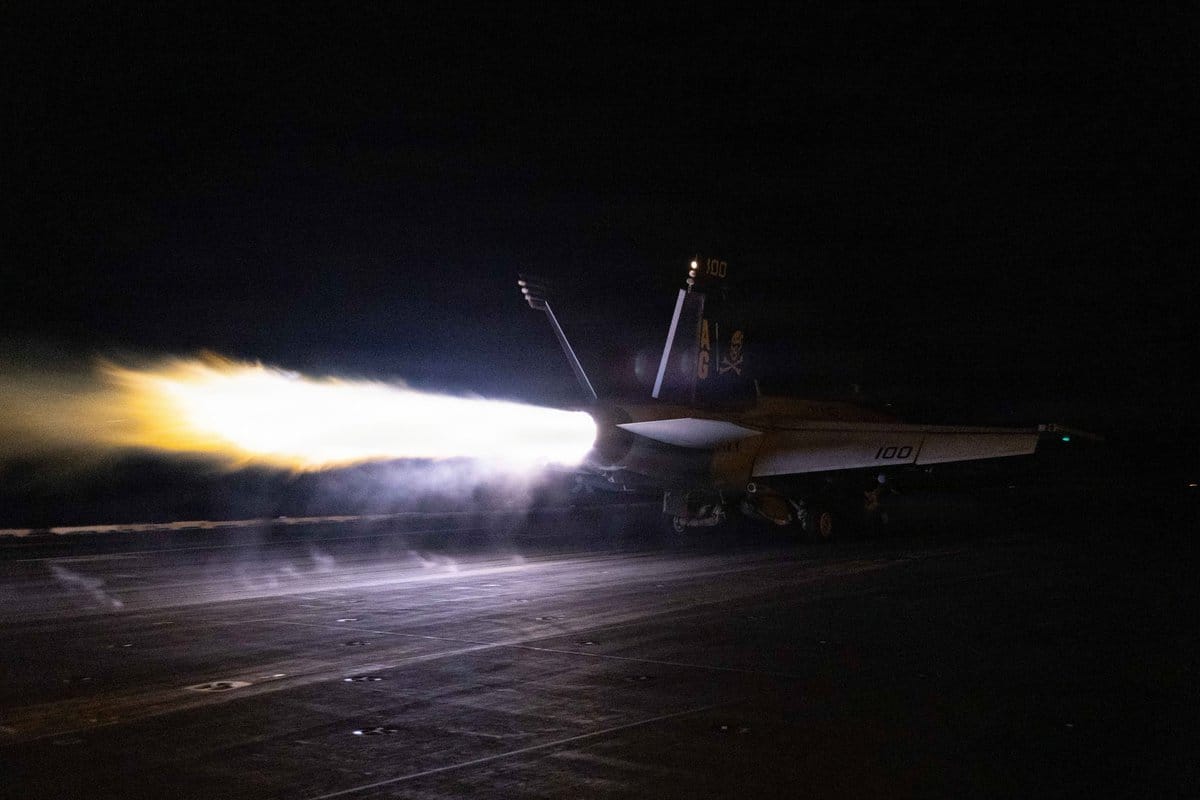
US fighter jets en route to the region

Al Arabiya reports that United States military forces received explicit orders to prepare for "D-Day" and stood at full readiness to launch a large-scale military attack against Iran. According to an American military source who confirmed the details to the network, on October 4 the forces remained at peak alert until midnight US time, waiting tensely into the early hours of Monday morning for the final green light to open fire.

President Donald Trump seriously considered launching the severe military blow that night, but (yet again) decided to postpone the strike at the last moment and grant a final window of several weeks for diplomacy, with a clear understanding that the timeframe is limited until after the midterm elections.
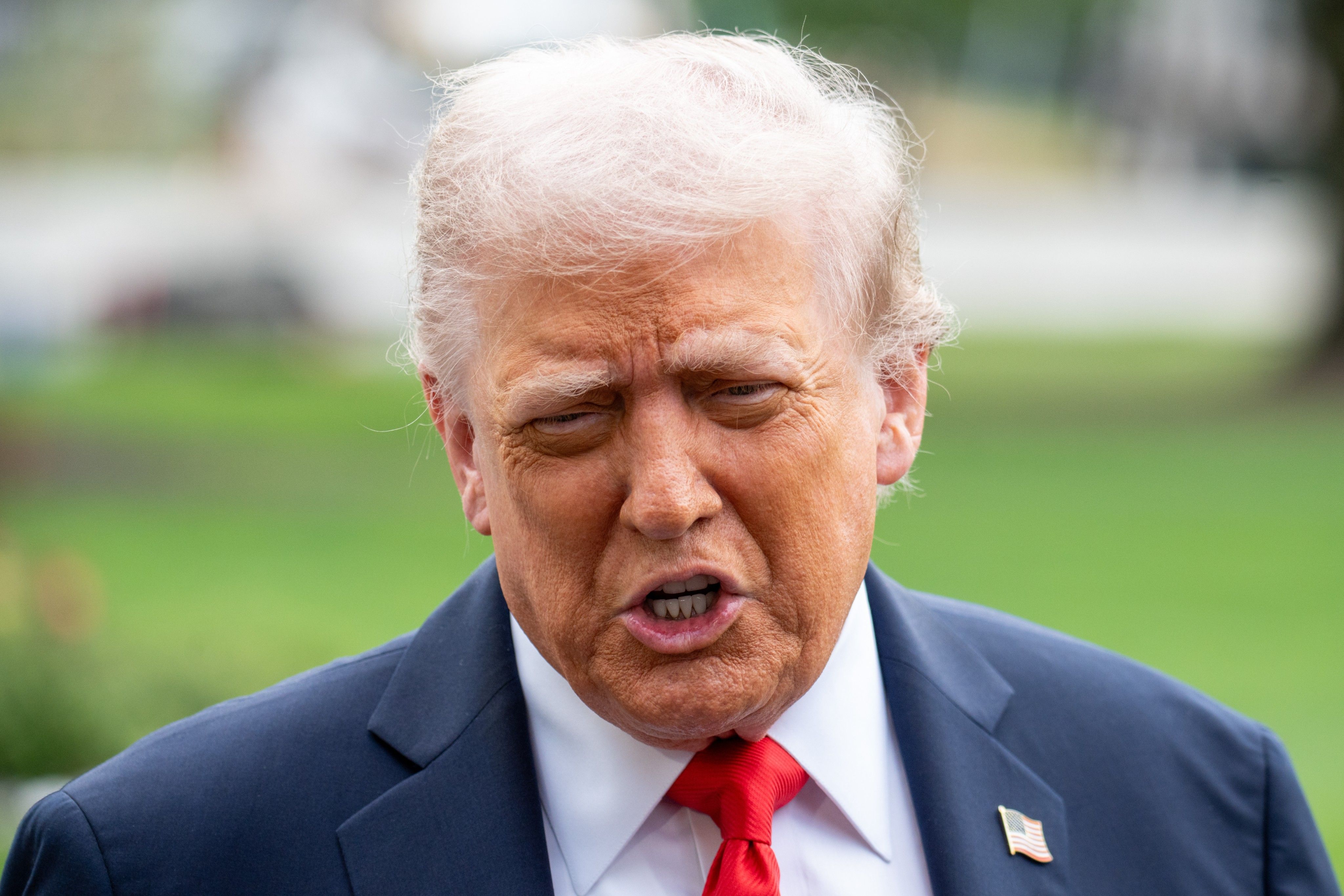
President Trump
President Trump (Photo: Shutterstock)

Alongside the choking economic and financial pressure being applied to the regime in Tehran, the greatest pressure on Iranian decision-makers stems from the threatening American military readiness. Military sources confirmed that during the summer, American forces completed a massive rearmament process, replacing thousands of missiles previously used to strike Iranian sites or intercept attacks, and flowing in advanced munitions that left them more prepared than ever.

The United States military sent two additional batteries of the Patriot air defense system to the Persian Gulf in recent weeks. One battery was sent to Saudi Arabia to protect a central oil facility, and another battery was sent to Qatar to defend a natural gas facility. The move comes against the backdrop of America's desire to reassure both allies and make clear it will defend their central energy facilities in the event President Trump decides to renew large-scale combat against Iran.

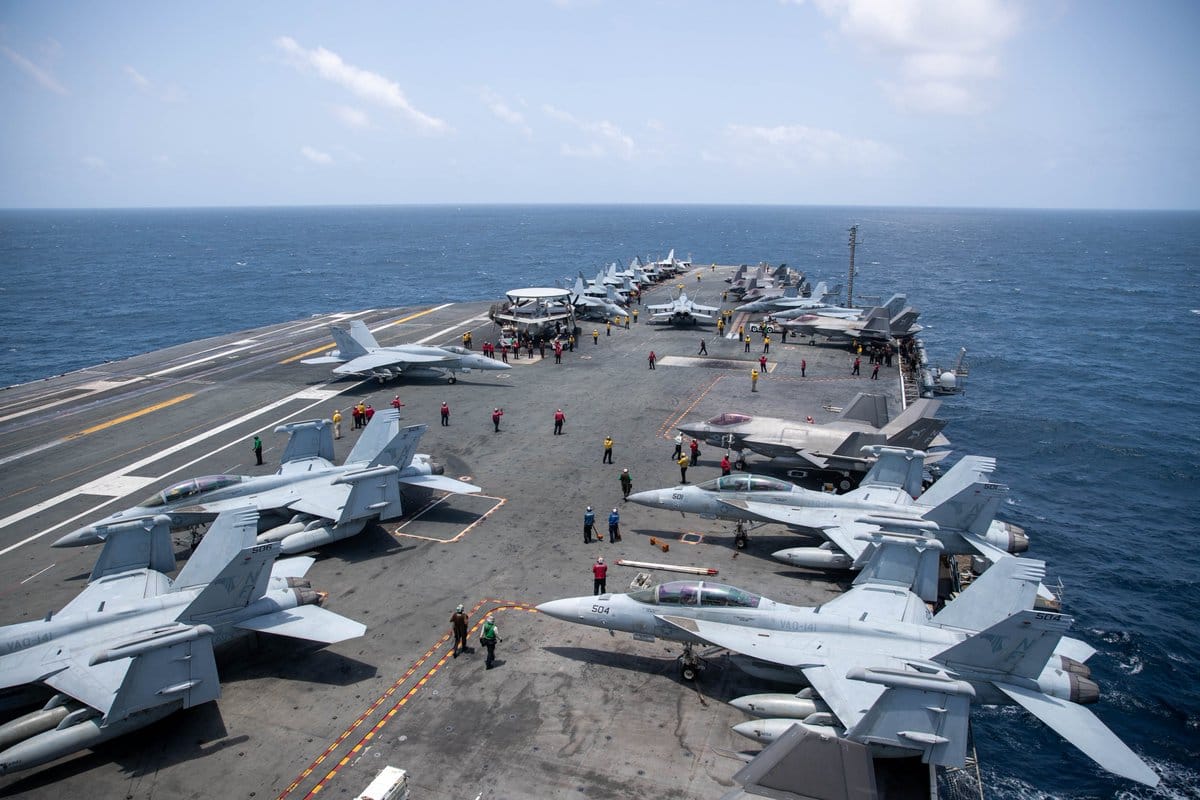
Aircraft carrier in the Gulf facing Iran
Aircraft carrier in the Gulf facing Iran (Photo: US CENTCOM)

In early August, when Trump considered opening a wide-scale offensive that included strikes against Iranian energy infrastructure, leaders of Saudi Arabia and Qatar pressured him not to do so. They expressed heavy concern that Iran would respond by attacking their oil and natural gas facilities. American officials said these appeals were a central reason Trump decided not to attack and instead move to a campaign of economic pressure.

The military and economic pressure, alongside feverish mediation efforts by Qatar that conveyed clear messages that Trump is determined to achieve a solution at any cost, are what led the Iranians to enter for the first time into serious and direct negotiations with Washington. Less than 24 hours after the spontaneous meeting in New York between Iranian and American representatives, new details emerged about how the contacts were conducted behind the scenes on the sidelines of the UN General Assembly.

The meeting, which took place on the day the President of the United States leveled sharp threats at Tehran, lasted a full three hours and was later defined by the White House as particularly "fruitful." The sensitive meeting was attended by Iranian Foreign Minister Abbas Araghchi and the President's special envoy on these matters, Steve Witkoff, two figures who have woven fairly personal ties in the background of the ongoing war.

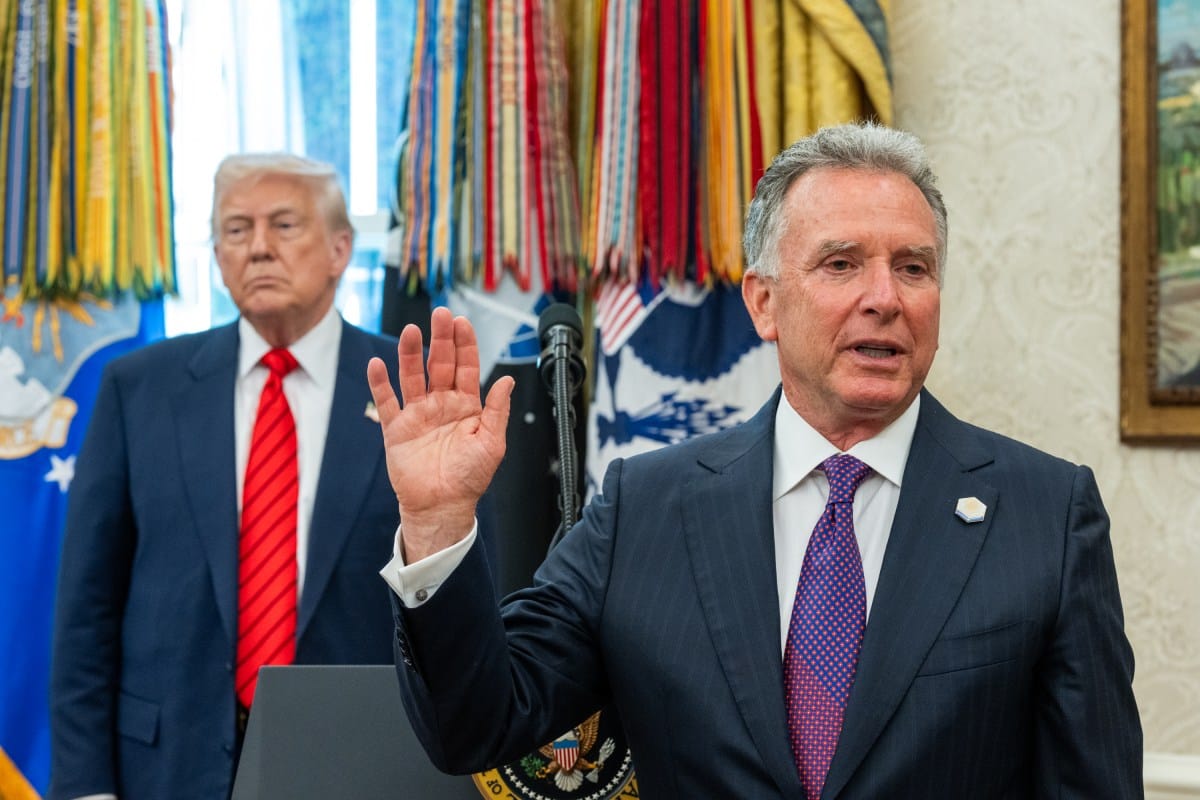
The man behind the talks: Steve Witkoff
The man behind the talks: Steve Witkoff (Photo: The White House)

Due to the complete political disconnect between the countries, the sides did not sit around one table and did not hold a direct face-to-face conversation, but rather conducted indirect and prolonged negotiations through Qatari diplomats who served as official mediators and ensured the messages, conditions and positions were shuttled between the two delegations throughout the day, moving from room to room to convey the messages.

In parallel, forces of the United States Central Command (CENTCOM) renewed on July 14 the American blockade on all ships entering or leaving Iranian ports. During three months of strict enforcement, four commercial vessels were disabled and 135 ships were forced to change course and turn back. In addition, during that period US forces destroyed 10 tankers linked to the shadow network of the Islamic Revolutionary Guard Corps, a network that moves billions of dollars.

Ready for more?

Join our newsletter to receive updates on new articles and exclusive content.

We respect your privacy and will never share your information.

Enjoyed this article?

Yes (100%)
No (0%)
Follow Us:

Unmissable content


Loading comments...

Also of Interest