A Tense Backdrop
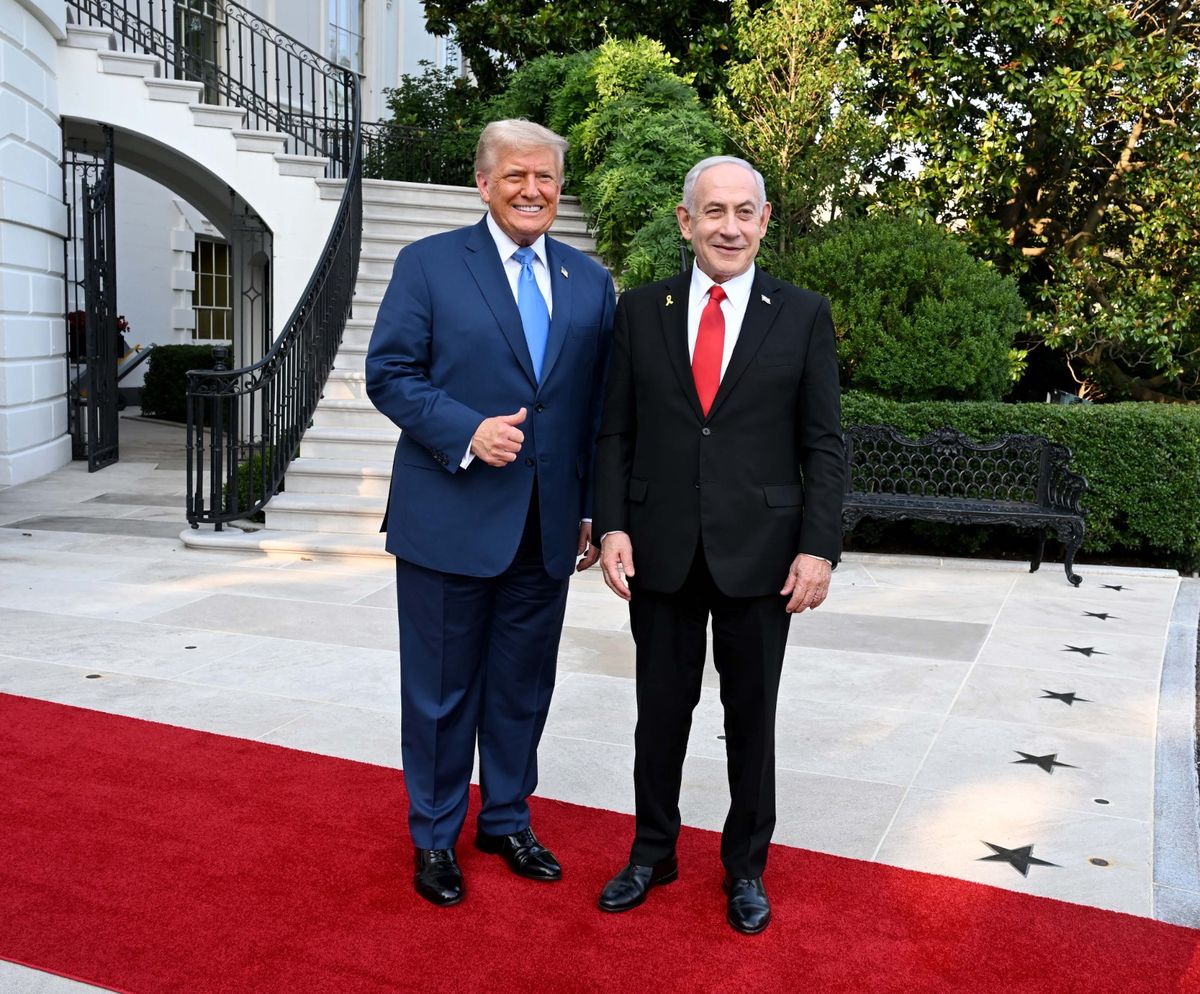
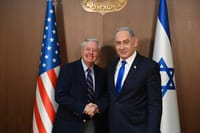
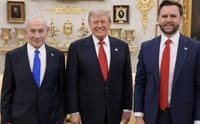
The White House meeting came at a pivotal moment. Trump, in his second term, is pushing for a ceasefire deal between Israel and Hamas to secure the release of hostages held in Gaza since the October 7, 2023, attack that killed 1,200 and abducted 251. “We have to get this solved,” Trump reportedly told his Cabinet earlier this week, signaling urgency as Israel’s war, now in its 21st month, has claimed 888 IDF soldiers and over 57,000 Palestinian lives, according to Gaza authorities. Netanyahu, however, faces fierce opposition from his right-wing coalition, including National Security Minister Itamar Ben-Gvir, who reject any agreement that leaves Hamas intact.
Hours before departing for Washington, Netanyahu addressed the deaths of five IDF soldiers killed on July 7 in a Hamas ambush in Beit Hanoun, Gaza. “We focused on the efforts to release our hostages. We are not relenting, even for a moment, and this is made possible due to the military pressure by our heroic soldiers,” he said in a statement translated from Hebrew. “Unfortunately, this effort has exacted a painful price from us—the loss of the best of our sons. But we are determined to achieve all of our objectives.” Those objectives, he reiterated, include freeing all hostages, dismantling Hamas’s military and governing capabilities, and ensuring Gaza poses no further threat to Israel.
A Strategic Message
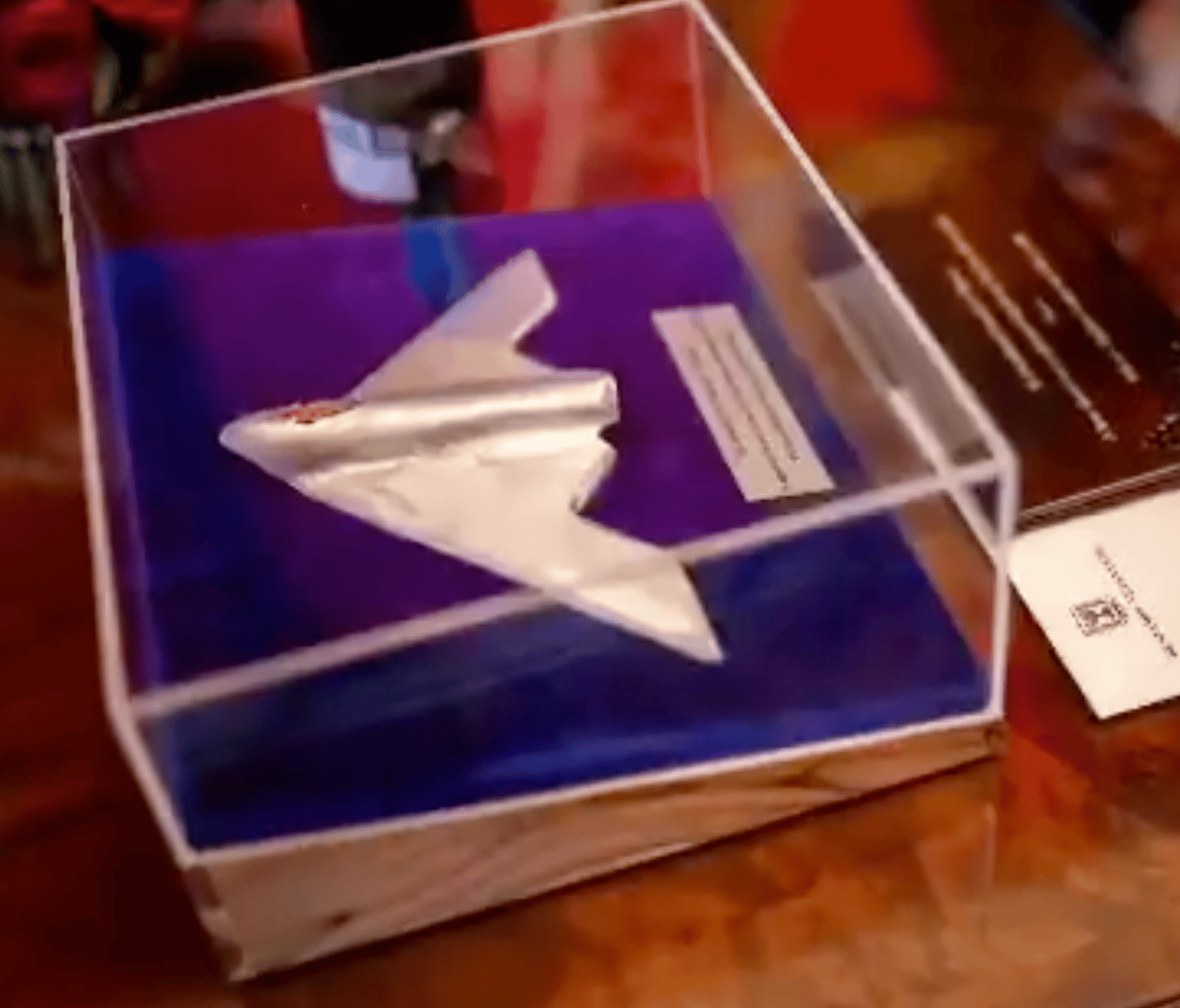
The B-2 mezuzah, presented privately but now a viral image, encapsulated the dual themes of the visit: gratitude for U.S. military support and a subtle push for deeper cooperation. The June 22 strikes, which targeted Iran’s nuclear sites, were a response to Iran’s missile attacks on Israel, including a barrage of 58 ballistic missiles and 13 drones launched via its Houthi allies in Yemen. The U.S. operation, involving B-2s and Navy destroyers, exemplified the allies’ shared commitment to countering Iran’s nuclear ambitions, a priority for Israel as it navigates threats from Tehran and its proxies, including Hezbollah and the Houthis.
Netanyahu’s gift also reflected Israel’s reliance on U.S. military aid, which includes billions in annual support and advanced weaponry like the F-35 jets. While Israel has developed its own missile defense systems, such as Iron Dome, acquiring B-2 bombers, capable of long-range, stealth strikes, or GBU-57 bombs would significantly enhance its ability to target fortified sites like Fordow independently. Analysts on X noted the mezuzah’s symbolism as a “diplomatic wink,” with @JewishNewsUSA calling it “a masterclass in blending tradition with strategy.”
### A Polarized Response
At home, Netanyahu’s trip and his gift drew mixed reactions. Supporters praised the gesture as a bold affirmation of the U.S.-Israel alliance, with one X user, @IsraelWarRoom, writing, “Bibi’s sending a clear message: we stand with America against Iran.” Critics, however, accused him of prioritizing optics over progress on the hostage crisis. “Fancy gifts won’t free the 30 hostages still in Gaza,” posted @Haaretz, reflecting frustration with stalled negotiations. The soldiers’ deaths, including four from the Netzah Yehuda Battalion, added to domestic pressure, with protests in Jerusalem demanding a deal to bring the hostages home.
The mezuzah also sparked debate about Israel’s military ambitions. While some see access to U.S. strategic weapons as a necessity, others warn it could escalate tensions with Iran, risking a broader regional conflict. The U.S. has not publicly responded to Netanyahu’s comments about acquiring B-2s, but the Pentagon’s recent deployment of additional forces to the Middle East suggests heightened alertness.
A Fragile Moment
As Netanyahu and Trump navigate ceasefire talks, the B-2 mezuzah stands as a potent symbol of unity and ambition. For Israel, it reflects gratitude for U.S. support in confronting Iran and a not-so-subtle plea for greater firepower. For Trump, it points to his role as a dealmaker in a region teetering on the edge of wider conflict.