Flashpoint Compound at the Center of Tensions
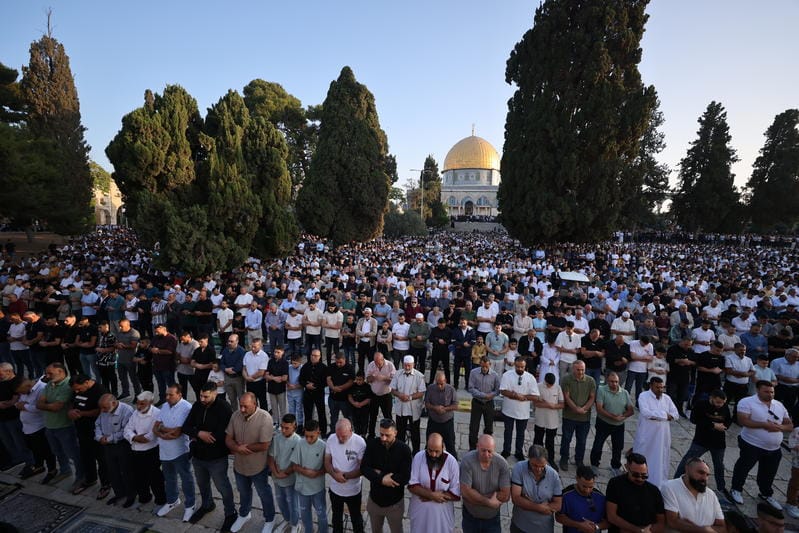
The Temple Mount, referred to by Muslims as the Al-Aqsa Mosque compound, remains one of the most volatile religious and political flashpoints in Jerusalem. It is the holiest site in Judaism and the third-holiest in Islam, and tensions surrounding control and access to the site have historically triggered violent escalations.
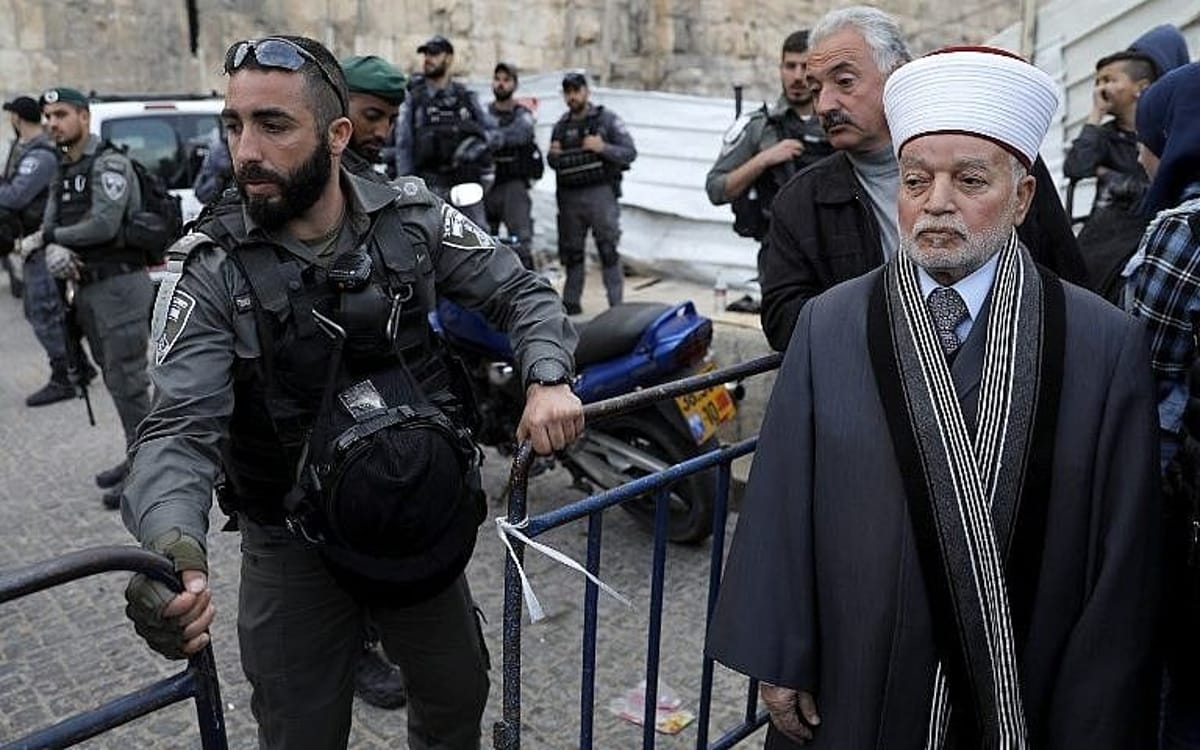
Recently, far-right Israeli politicians have intensified calls to alter the long-standing status quo, which bars Jewish prayer at the site. Earlier this month, National Security Minister Itamar Ben Gvir led a prayer group during Tisha B’Av, defying the customary restrictions. Though administered by a Jordanian Islamic trust, the compound’s security is overseen by the Israel Police.
While Muslims have open access to the site, Jewish and non-Muslim visitors are restricted to specific hours and routes, often under heavy police escort. Ben Gvir has advocated loosening these limitations, prompting concerns from Jordan, Palestinian factions, and international observers that any change to the arrangement could inflame regional tensions.