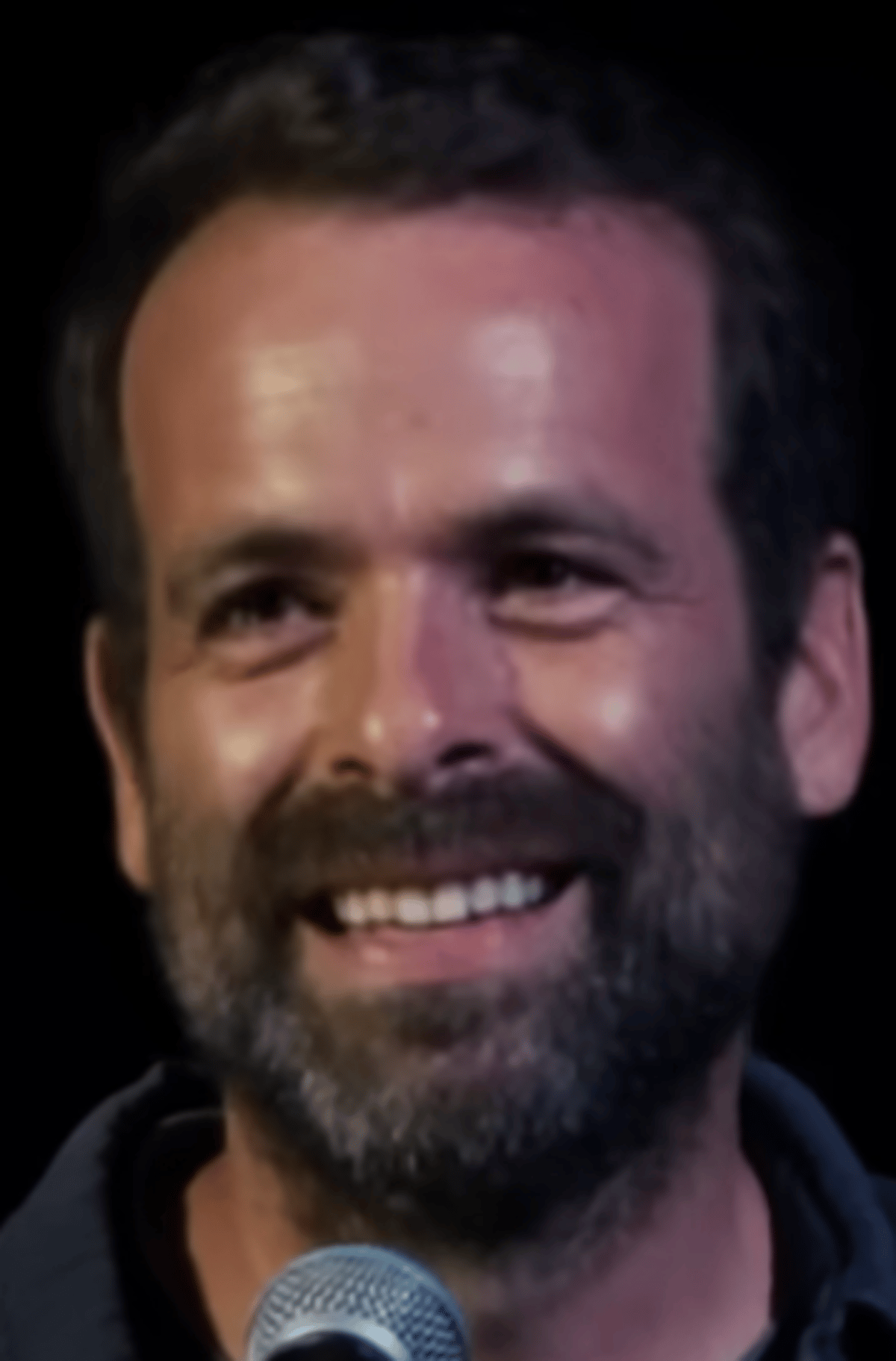
In a Tel Aviv comedy club, under the soft glow of stage lights, Udi Kagan steps into a space where laughter and pain collide. The Israeli comedian, known for his sharp wit on *Eretz Nehederet*, delivers a 21-minute monologue that transcends stand-up, weaving a tapestry of raw vulnerability, heartbreak, and hope. His story of grappling with post-traumatic stress disorder (PTSD) from his military service has touched millions, amassing over 1.4 million views on Facebook and earning praise as “the greatest stand-up segment in history” from fellow comedian Shalom Asayag. In this moment, Kagan becomes more than a performer; he becomes a mirror for a nation scarred by conflict, offering a voice to the silent wounds of trauma.
Kagan’s journey begins in the aftermath of Operation Defensive Shield, a chapter of his military service that left invisible scars.
(Operation Defensive Shield took place in 2002 in Judea and Samaria during the Second Intifada and was the largest combat operation in the territory since the1967 Arab–Israeli War.) Kagan was young IDF soldier at the time.
While traveling in South America with a fellow soldier, he awoke one night gripped by terror: a racing heart, shallow breaths, and a body drenched in sweat. “It was like nothing I’d ever felt,” he recalls, his voice steady but heavy with memory. Dismissing it as a physical ailment, he rejected a local doctor’s diagnosis of stress. “Stress? I’m from Israel, from my unit. I told him it’s salmonella,” he says, a wry smile masking the denial that would haunt him for years.
Back in Israel, the attacks intensified. A passing scooter, a sudden noise; ordinary moments became triggers, unraveling the tough exterior of a man trained to face war. Yet Kagan buried his pain, refusing to confide in family or friends. “I’d rather die a hundred times than admit something was wrong,” he confesses. “I thought, what, I’m one of those who shoots and cries? Never.” Instead, he sought refuge in alcohol and hard drugs, a decade-long descent into numbing the relentless inner voice that whispered, “You don’t deserve to live.”