Under the deal, mediated with input from Qatar, Egypt, and Turkey, Hamas freed 20 living hostages and has so far returned seven deceased ones, while Israel pauses major operations in Gaza.
The truce has been hailed as a milestone by Netanyahu but dismissed by critics as a mere pause.
Morgan, the British broadcaster known for viral clashes on the topic, pushed back hard. "The President has already been tough with the Israeli PM," he countered, citing Trump's unyielding pressure during negotiations.
Reports from the BBC and CNN corroborate this: Trump reportedly cornered Netanyahu into concessions he had long rejected, leveraging U.S. military aid and diplomatic isolation as sticks. "Without his push," one anonymous White House official told CNN, "the deal would not have been signed."
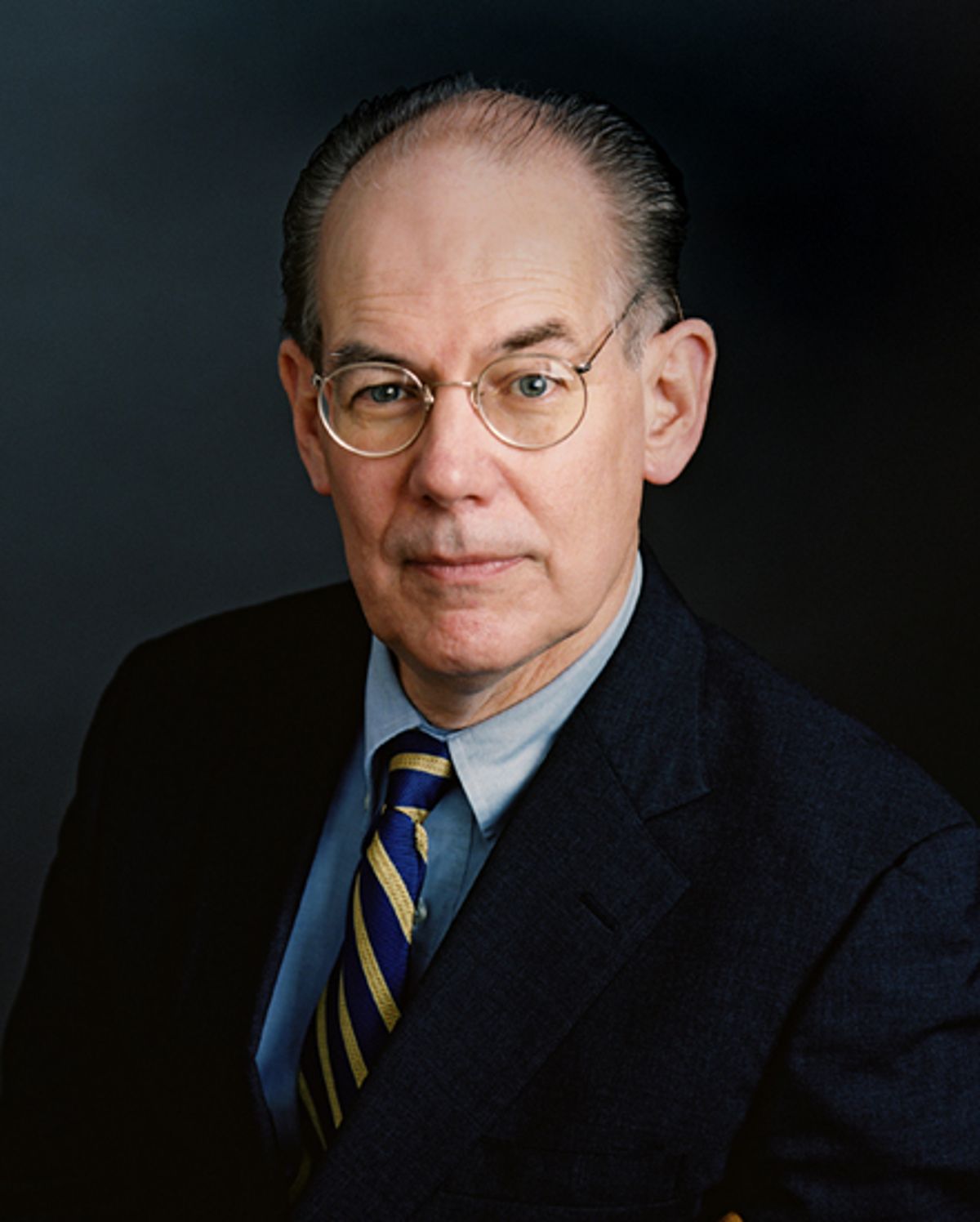
Banners proclaiming "We love Trump" now adorn Tel Aviv's Hostages Square, where families credit the president with delivering what Netanyahu wouldn't. Yet Mearsheimer, a longtime skeptic of unchecked U.S. support for Israel, sees little room for optimism.
Drawing on decades of analyzing Middle East dynamics, he argued the ceasefire's fragility stems from Hamas's refusal to disarm, hinting at retaining heavy weapons for "Islamic resistance" and Israel's unresolved governance plans for post-war Gaza.
"Ceasefires always get violated in their early stages," he noted, echoing historical patterns from Lebanon in 1982 to Gaza flare-ups in 2014.
Trump's track record bolsters Mearsheimer's pessimism: During his first term, the Abraham Accords normalized ties between Israel and Arab states without addressing Palestinian statehood, a move Mearsheimer has lambasted as enabling Netanyahu's hardline stance.
The professor's broader critique aligns with his seminal work, where he posits that the "Israel lobby" distorts U.S. policy, prioritizing Israeli security over American interests. In a January Uncensored appearance, Mearsheimer praised Trump as "not a warmonger" on Gaza but warned his return wouldn't upend this dynamic.
Now, with Israeli elections looming next year and Netanyahu's coalition teetering amid corruption probes, the truce offers Bibi a potential off-ramp from a politically toxic war, without demanding deeper reforms.
Public reaction on X (formerly Twitter) has been swift and polarized, with users split along familiar lines. Pro-Trump voices hailed the deal as proof of his dealmaking prowess: "Trump saved lives Netanyahu ignored," one user posted. Critics, echoing Mearsheimer, fretted over enforcement: "Netanyahu violates, Trump tweets, rinse, repeat," quipped another. A viral thread from ageopolitical analyst amplified the interview, urging viewers to watch for its "key analysis" on why peace odds remain "low."
Will Trump's "toughness" hold, or will Mearsheimer's realism prove prescient? With ceasefires historically crumbling under mutual accusations, much like the shaky Israel-Iran truce Trump enforced via all-caps Truth Social rants earlier this year, the stakes couldn't be higher. Morgan, ever the provocateur, ended the segment with a challenge: "If Trump can deliver peace, he'll be a legend. If not, history will judge." For now, the jury, and the region, remains out.