Foreign Policy Remains Insulated
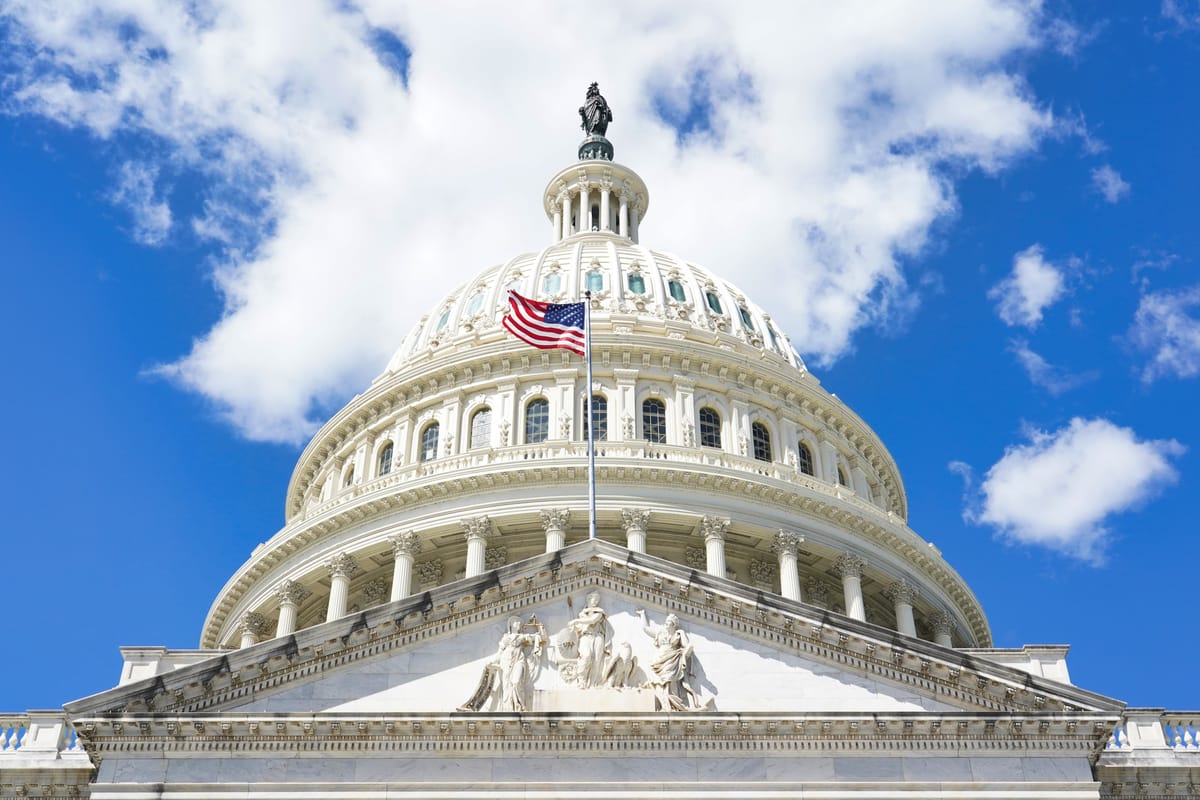
There is, however, a critical distinction in how congressional power affects different policy domains. While the House of Representatives has limited influence over foreign policy matters, the Senate—the upper chamber of Congress—maintains substantial authority over international affairs, senior appointments, and national security decisions with diplomatic or defense implications. Fortunately for the administration, Democrats face only a slim chance of flipping Senate control.
This dynamic becomes particularly relevant as President Trump navigates complex international challenges. The President recently declared the United States is in the sixth week of what he termed a "small war" with Iran, delivering stark warnings about the consequences of further Iranian aggression. Such foreign policy initiatives would remain largely within executive control regardless of House composition.
The White House's contingency planning reflects a pragmatic acknowledgment of political realities. With internal surveys pointing toward potential losses, Trump's team is working to identify which policy priorities can be advanced through executive action alone, which require legislative cooperation, and how to position the administration for continued effectiveness even under divided government.
As the midterm elections approach, the administration finds itself in a familiar position for second-term presidents: racing to accomplish key objectives while preparing for a potentially more hostile legislative landscape. The outcome will determine whether Trump's final years in office see continued policy momentum or a shift toward executive-focused governance constrained by congressional opposition.