The political and military landscape in the region remains highly volatile as the terms of a recent ceasefire are put to the test. Leadership changes and strategic re-alignments continue to dictate how cross border security will be managed moving forward, particularly regarding the presence of foreign defensive installations. The dynamic between organized state militaries and regional armed groups is entering a critical new phase that could reshape the entire geographic landscape.
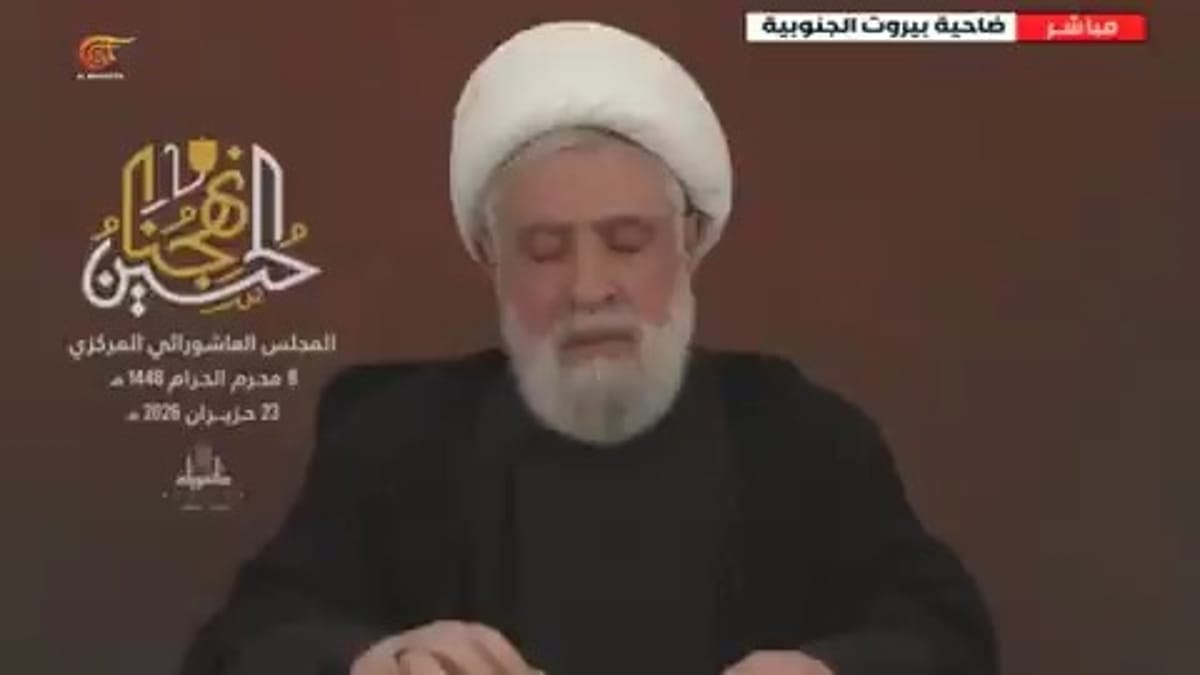
In a recent public address Hezbollah leader Naim Qassem outlined the strict expectations of his organization regarding the future of the region following the announcement of a ceasefire. Qassem emphasized that the subsequent stage of this process must center on the complete evacuation of foreign defensive positions from Lebanese territory. He noted that this transition must occur according to a clear, organized timeline to ensure full compliance.
According to Qassem, the opposing forces have no alternative but to fully withdraw from the area. He stated that not a single inch of land can remain under foreign control under any pretext whatsoever. The leader also demanded a complete cessation of all aggressive actions across land, sea, and air spaces, paving the way for the official deployment of the Lebanese Army.
Addressing internal governance, Qassem highlighted that his group is currently cooperating with the Lebanese Army to the fullest extent possible. He asserted that outside nations, specifically Israel, have absolutely no role in any agreements reached internally within Lebanon. The leader concluded by stating that external entities must be strictly prevented from interfering in these domestic security arrangements.
This stance comes amid a broader regional war that involves multiple fronts, including actions by groups like Hamas, who operate as terrorists in separate sectors. The insistence on complete sovereignty and the rejection of foreign intervention underscores the deep divisions that persist even after temporary agreements are reached. The coming weeks will determine whether these strict demands will lead to further stabilization or a renewal of hostilities.