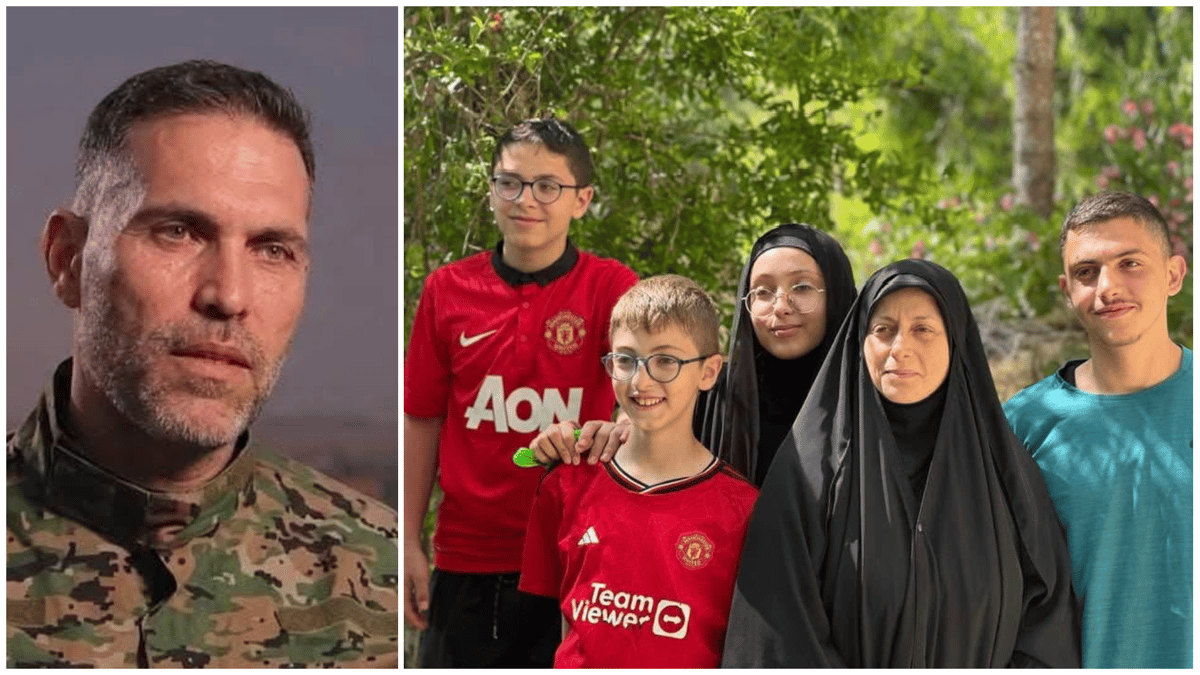
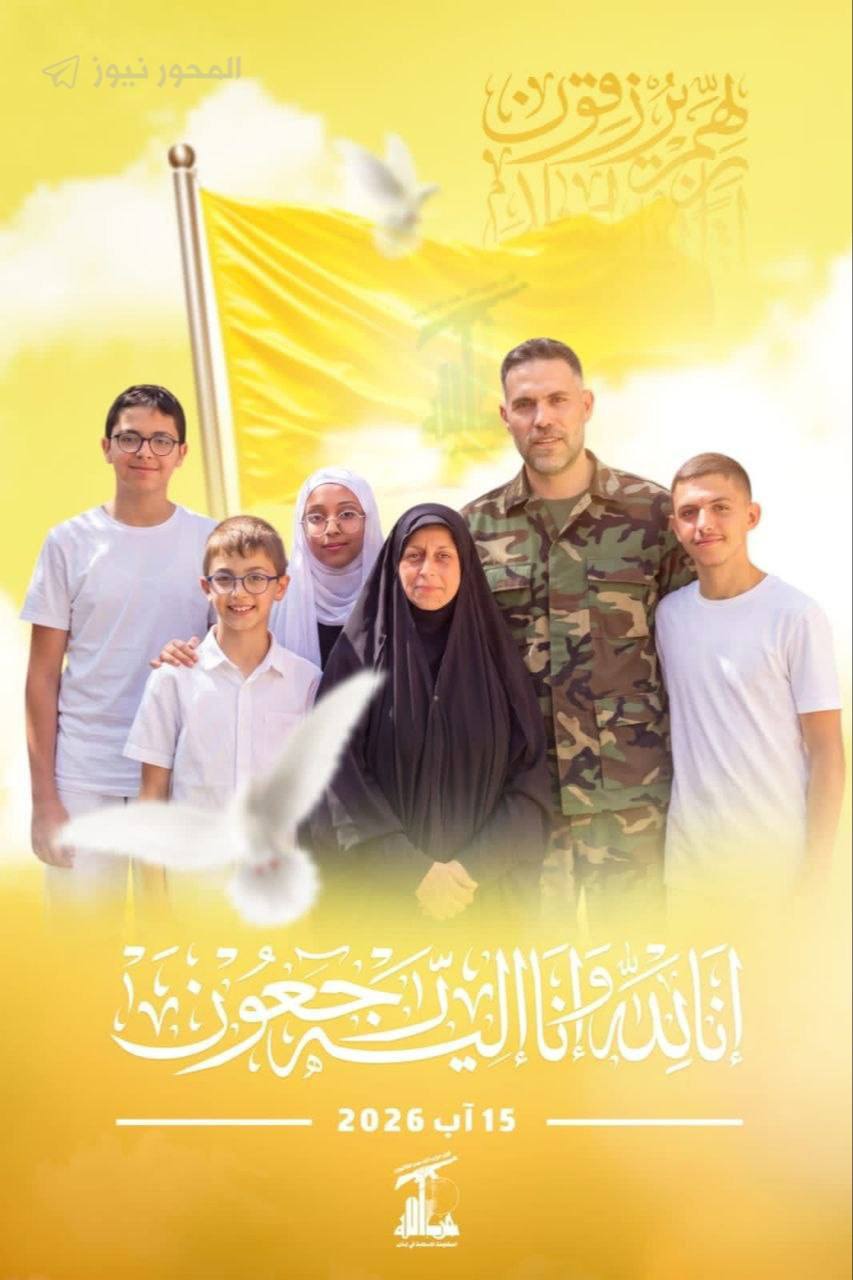
The strike came after Hezbollah activity against IDF forces in the security zone resulted in injuries to three Israeli soldiers. In response, the IDF targeted a Hezbollah command center in the Ansar area where al-Haj Hassan was present.
The IDF stated that the command center was used by Hezbollah to manage and direct operations in the region, making al-Haj Hassan a key target in the strike.
Additional details about al-Haj Hassan's activities emerged from accounts associated with Hezbollah opponents. According to these sources, his family originally came from the town of Shamsstar in Lebanon's Bekaa Valley, and he relocated his family to southern Lebanon. The move was reportedly intended, in part, to create cover and make it more difficult to track his activities.
Al-Haj Hassan's past involvement in Syria also came to light following his death.
A Lebanese account identified with Hezbollah critics claimed that al-Haj Hassan previously participated in combat in Syria and had himself referenced his involvement in the Syrian campaign under the slogan associated with defending the Sayyida Zeinab shrine: "Zeinab will not be taken captive twice."
This claim fits into the broader picture of the Radwan Force and Hezbollah, whose members gained significant combat experience in Syria fighting alongside the Assad regime over the years.
The killing of al-Haj Hassan represents a blow to Hezbollah's operational command structure in southern Lebanon. He was an officer who served in the Radwan Force, a unit built as the organization's elite force and designed to carry out offensive operations against Israel.
According to claims published after the strike, al-Haj Hassan was also involved in planning ambushes against IDF forces. His elimination may therefore impact the organization's command and operational planning apparatus in the area.