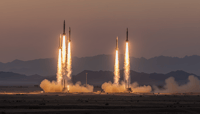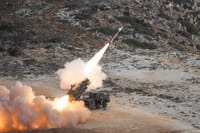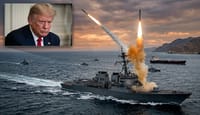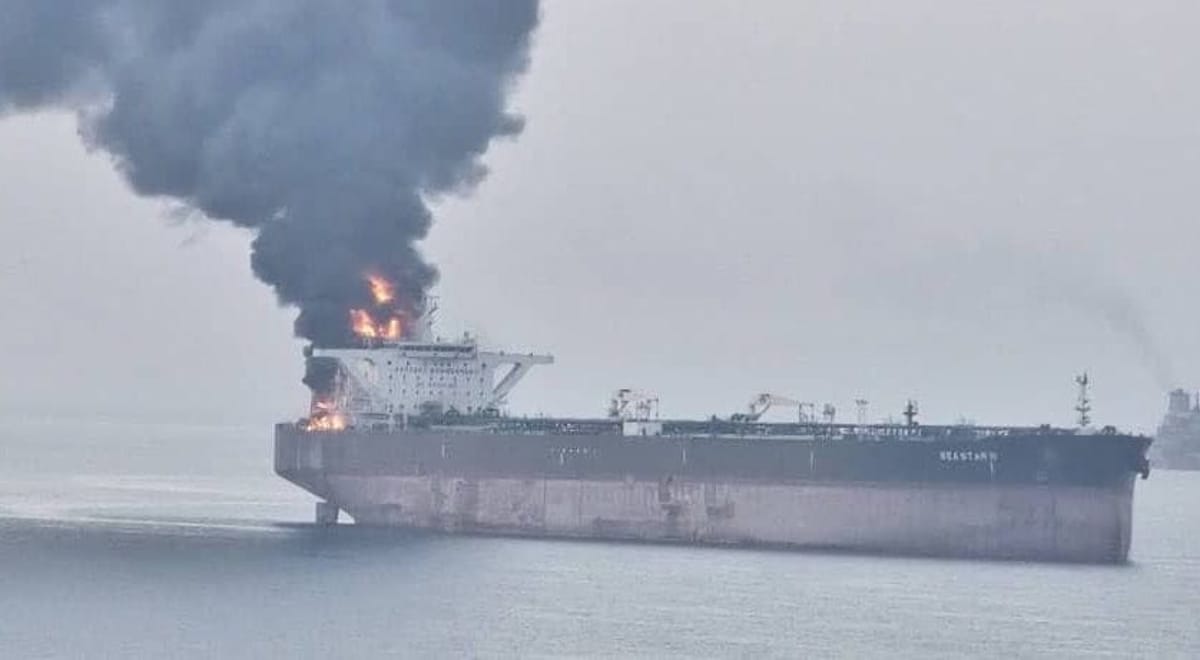
The state controlled media apparatus in Iran has implemented a strict censorship directive to deliberately downplay and ignore a series of intense, fatal military clashes that erupted overnight between the Islamic Revolutionary Guard Corps and United States forces. While the United States military officially published details of the engagement, confirming that Central Command assets successfully targeted and destroyed multiple missile launch sites and fast attack gunboats, official outlets in Tehran remained entirely silent. The heavy maritime engagement began transpiring around late evening when powerful explosions reverberated throughout the strategic port city of Bandar Abbas, lighting up the coastal horizon.
Shortly after the initial detonations, the state run Mehr News Agency published a terse, highly sanitized briefing claiming that the domestic situation in Bandar Abbas was entirely under control, while primary regime networks like Tasnim and Fars suppressed all further updates. In stark contrast to the official silence, the independent Student News Network acknowledged that air defense frameworks had been frantically activated across the southern coast to intercept incoming American munitions. Unofficial channels embedded within the Revolutionary Guard subsequently breached the blackout, publishing the identities of three slain officers, namely Abbas Eslami, Ghodrat Zarangari, and Abd-al-Reza Golzari, who perished during the strikes.
Expatriate opposition networks quickly confirmed that heavy American missiles directly struck tactical launch facilities positioned within the immediate perimeter of the Bandar Abbas regional airport. Intelligence sources tracking the regime confirmed that state news directors received explicit, binding instructions from senior security councils to entirely muffle the battlefield losses so as not to disrupt ongoing diplomatic talks. The regime remains deeply terrified that publicizing a humiliating military defeat at the hands of American forces would destroy their leverage at the negotiating table and inflame domestic unrest.
Simultaneously, a massive diplomatic development unfolded in Washington as President Donald Trump signaled his first major willingness to alter a long standing, rigid demand regarding Iran's enriched uranium stockpiles. Trump indicated via social media that the highly enriched nuclear dust must either be handed over to the United States to be brought home and destroyed, or alternatively, destroyed directly on site within acceptable facilities coordinated with the Islamic Republic. This marks a profound departure from his previous insistence that all enriched material must physically exit Iranian territory, moving closer to the structural desires of the Iranian negotiators.
According to a senior administration official, the multi stage framework currently being debated includes an immediate reopening of the Strait of Hormuz by Iran and the verifiable neutralization of their highly enriched material. In return, the United States would dismantle its maritime blockade of major Iranian commercial harbors, paving a clear pathway for extended talks aimed at a permanent termination of the war and the complete dismantling of the nuclear infrastructure. However, Iranian diplomats continue to publicly insist that they will refuse to authorize any long term nuclear restrictions until an absolute, comprehensive agreement to end the war is formally signed.