A dangerous transformation in the regional balance of power is unfolding as Turkey finalized a secretive transaction to offload its sophisticated Russian-made S-400 air defense batteries to an undisclosed third party in the Persian Gulf. The sudden defense maneuver is specifically calculated to satisfy strategic requirements in Washington, paving the way for President Donald Trump to lift heavy sanctions and resume deliveries of advanced fifth-generation F-35 stealth fighter jets to Ankara. The sudden geopolitical realignment has triggered deep security anxieties inside Jerusalem, where defense officials view a re-armed Turkish fleet as a long-term threat to national security.
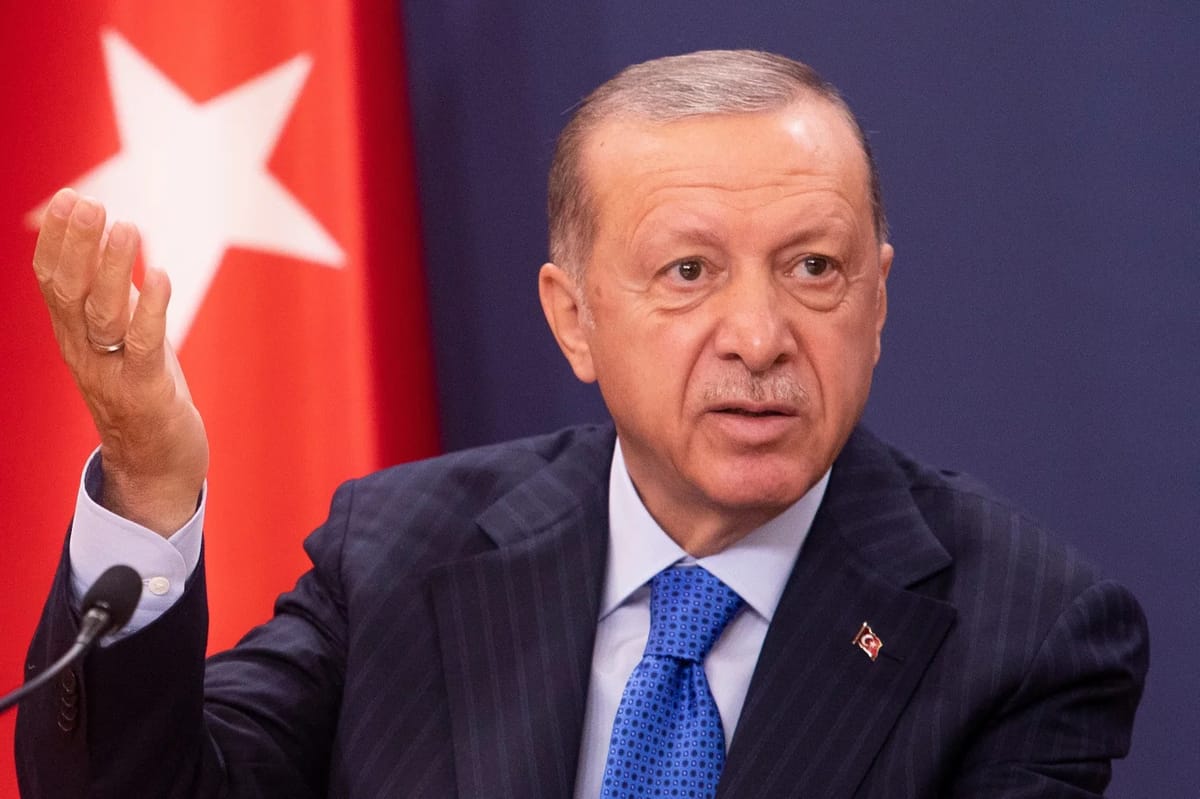
According to prominent Turkish media analysts, all major legal and logistics obstacles surrounding the arms transfer were successfully cleared during an intensive overnight negotiation session. While the exact destination of the Russian hardware remains classified, regional intelligence networks indicate that either the United Arab Emirates or Qatar has secured the weapons system to bolster defensive shields amid ongoing regional wars. When questioned directly about the true destination and current operational deployment of the anti-aircraft batteries, Turkish President Recep Tayyip Erdogan delivered a highly calculated, vague public warning, telling international observers to keep watching us.
For the leadership in Ankara, the offloading of the Russian infrastructure represents a comprehensive strategic victory that resolves a multi-billion-dollar diplomatic standoff with the West. By transferring ownership of the hardware, Turkey satisfies the strict demands of the United States Congress, which requires the presidency to verify that the foreign weapons are completely non-operational and no longer in Turkish possession. If the White House successfully navigates the upcoming congressional notification process, Ankara expects to achieve a major triple breakthrough, securing the immediate removal of defense industry restrictions, acquiring high-powered F110 engines for its domestic KAAN fighter program, and restoring its full status within the elite global F-35 procurement consortium.
This rapid diplomatic reconciliation has sent shockwaves through the Israeli defense establishment, prompting senior officials to initiate a quiet, aggressive lobbying campaign in Washington to freeze or heavily restrict any future aircraft sales to Ankara. The primary concern among military strategists is that introducing stealth technology to an increasingly hostile regional power will directly compromise the absolute air superiority that the Israeli Air Force relies on to operate without restriction across Middle Eastern skies. Israeli Cabinet Minister Amichai Chikli addressed the shifting geopolitical reality directly, warning that there is a real scenario that Turkey will attack the State of Israel, before noting that all this friendship of Trump with Erdogan from our perspective is very problematic.
The deep apprehension in Jerusalem is further amplified by a sharp, multi-year escalation in aggressive rhetoric from Turkish state representatives, who have frequently labeled Israel an enemy nation while issuing explicit threats targeting sovereign territory. Israeli intelligence experts warn that permitting Ankara to acquire fifth-generation stealth platforms will allow Turkish technicians to study the exact operational capabilities and hidden structural vulnerabilities of the American-made jet. This critical intelligence could eventually be utilized to disrupt or actively counter covert Israeli operations over neighboring theaters, including long-range flight paths extending toward hostile infrastructure inside Iran.