The institutional framework governing international atomic oversight has faced a severe diplomatic setback following an uncompromising declaration from senior Persian officials. This sudden breakdown in verification expectations occurs amid shifting military configurations and highly volatile public sentiment across the Mediterranean theater. The convergence of physical asset relocations and absolute diplomatic refusals has introduced fresh complications to ongoing monitoring missions.
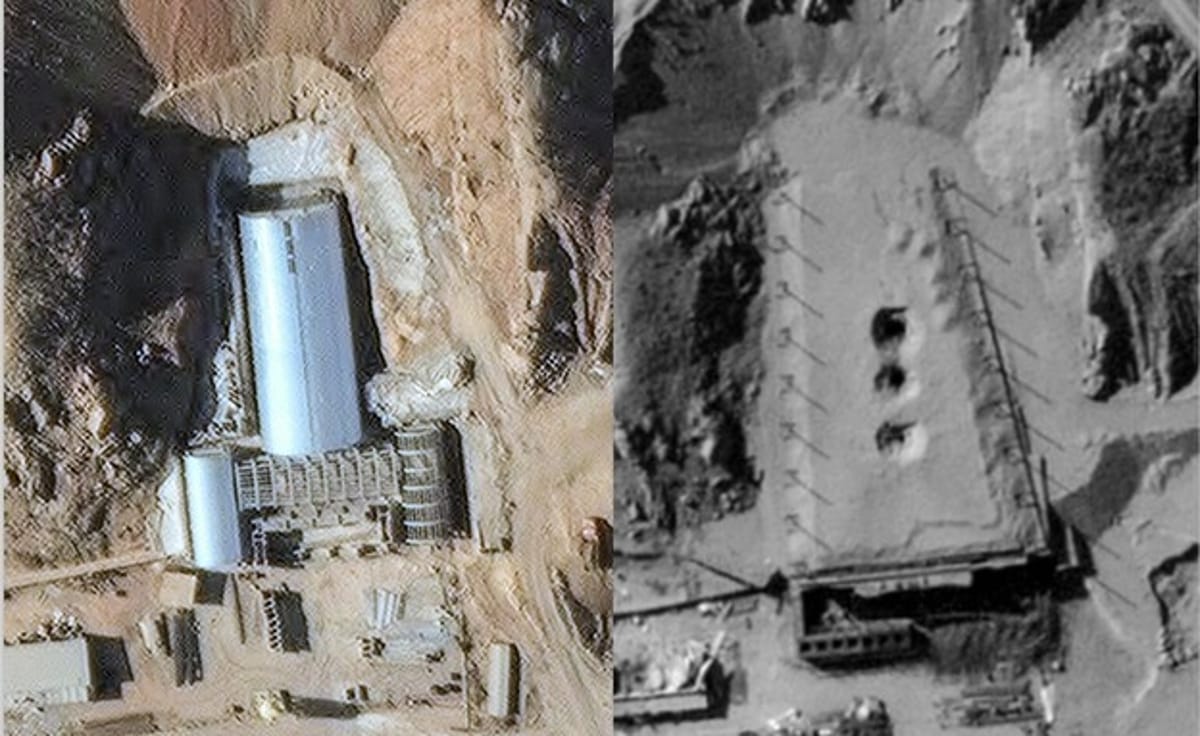
Iranian Deputy Foreign Minister Kazem Gharibabadi has officially clarified the state's position regarding international entry into sensitive sovereign defense structures. The high ranking representative announced that Tehran has no plan to grant access to nuclear facilities targeted in recent U.S. and Israeli strikes, or to related materials. This definitive policy statement effectively blocks immediate efforts to independently verify the structural or radioactive status of the affected research complexes.
The diplomatic pushback completely undermines recent external assertions regarding a comprehensive technical breakthrough between Western mediators and the Islamic Republic. The administrative leadership took the opportunity to explicitly dismiss international media narratives suggesting that a cooperative monitoring framework had been successfully finalized. Gharibabadi confirmed that all reports of an inspection agreement are completely rejected by the sovereign administration.
This sudden diplomatic freeze aligns with a substantial hardening of public opinion within neighboring state boundaries regarding the ongoing management of the war. A major national statistical assessment broadcast by Channel 12 News has revealed that 52% of respondents believe Israel should have launched an additional round of military strikes. This data highlights a clear majority favoring persistent conventional pressure to fully dismantle the adversary's remaining atomic infrastructure.
Simultaneously, a major logistical drawdown concerning Western aerial assets has commenced within regional infrastructure networks. According to verified aviation monitoring reports compiled by domestic observers, a total of 20 American aircraft have already been successfully evacuated from their designated bases as of today. Operational schedules indicate that an additional 12 aircraft are slated for systematic relocation by the conclusion of the current month.
Despite this notable reduction in static baseline deployments, the overarching command structure insists that tactical readiness remains entirely uncompromised by the logistical shift. United States Central Command confirmed that high readiness F-16 fighter jets are continuing to fly over the Middle East during scheduled security patrols. Defense officials emphasize that these asset movements represent a routine optimization of forces rather than a retreat from regional stabilization guarantees.
The ongoing presence of these specialized supersonic platforms is intended to provide immediate counter striking capabilities during volatile geopolitical shifts. "U.S. forces remain present and vigilant throughout the region," Central Command declared in an official administrative update. The active combat patrols serve as a visible warning to state adversaries seeking to exploit the ongoing relocation of support wings.