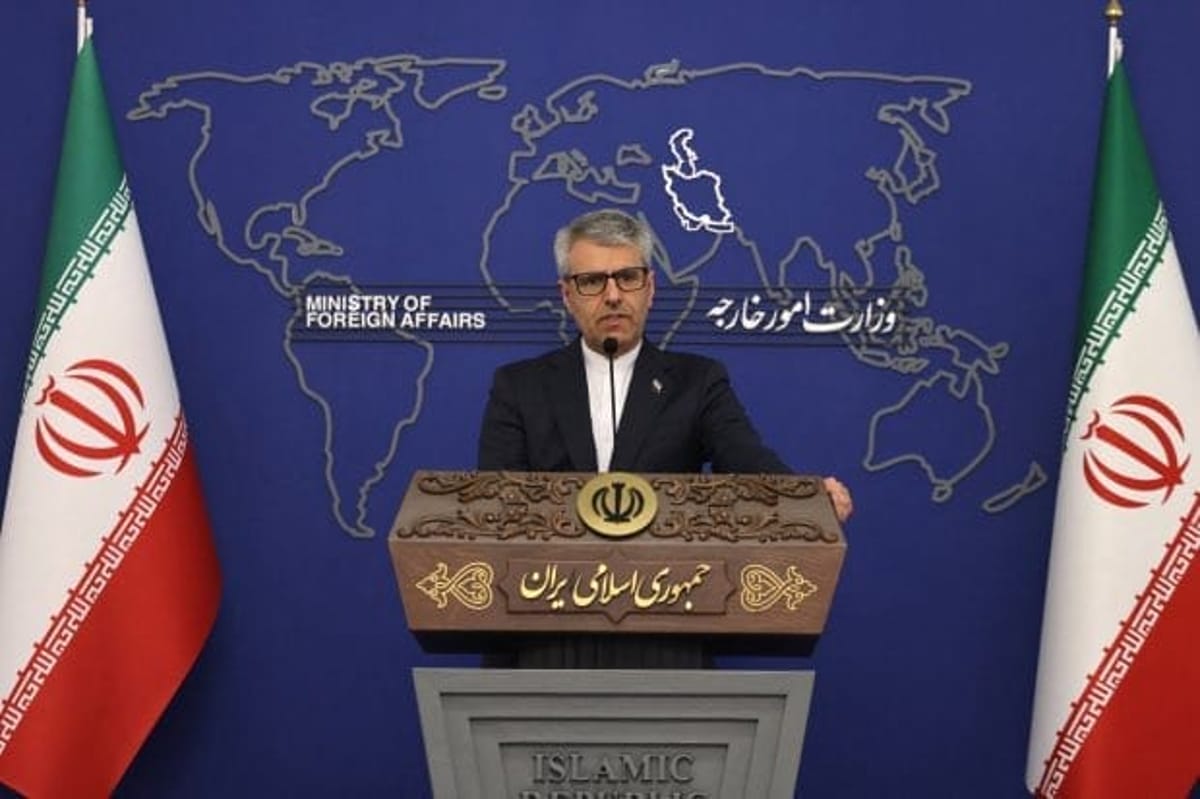
An extraordinary strategic escalation has reoriented international diplomatic relations, following intense policy disclosures regarding the United States' willingness to shift the foundational nature of foreign partnerships. Iranian Foreign Ministry spokesman Esmaeil Baqaei released a firm, public statement directly contradicting recent assertions made by United States Vice President JD Vance regarding the substance of high level diplomatic discussions. The Iranian spokesperson flatly denied American claims of a major breakthrough, stating explicitly that the Iranian delegation did not discuss the nuclear file during the talks and “accepted no new commitments.” This immediate rhetorical pushback from Tehran exposes a profound, destabilizing disconnect between the two countries, threatening to derail the white house's efforts to secure a rapid stabilization deal in Europe and the Middle East.
The diplomatic standoff centers heavily on the specific legal mechanisms governing future relations, with Tehran refusing to yield any ground without significant upfront concessions from western powers. Baqaei added that any future nuclear negotiations under the Islamabad MoU are contingent on the implementation of Article 13 of the agreement. By tying any potential progress to this specific regulatory clause, Iranian negotiators are signaling that they will not enter into updated security arrangements until their existing demands regarding economic relief or sovereignty guarantees are fully executed. This rigid diplomatic posturing complicates the transactional foreign policy track favored by the current American administration, which relies on swift, visible compromises to justify ongoing security adjustments.
Compounding this diplomatic friction, a wave of coordinated reports from state controlled media networks inside the Islamic Republic has underscored a complete refusal to compromise on international monitoring standards. According to urgent updates published by the state run Fars News Agency, no agreement was reached on the return of IAEA inspectors to Iran. This critical breakdown in communications ensures that the International Atomic Energy Agency will remain unable to verify the active status of underground enrichment facilities, a persistent intelligence gap that regional defense experts view with immense caution given Tehran's history of strategic ambiguity. Multiple Iranian state television channels continuously echoed the exact same hardline report throughout the day, reinforcing a domestic message of total defiance against foreign oversight.
This total collapse in consensus emerges at a highly sensitive moment for international security partners, particularly as global powers debate whether to maintain vital weapon supply pipelines to front line states. For regional powers, Iran's ongoing refusal to permit physical inspections is not a distant bureaucratic dispute, but an immediate existential threat involving ballistic missile deployment and potential nuclear proliferation. While Washington continues to push for a diplomatic resolution to prevent spikes in energy markets and reallocate military assets toward the Pacific, the realities on the ground suggest that paper agreements are failing to curb the ideological ambitions of the regime. The refusal to readmit inspectors or accept new restrictions proves that despite intense Western economic leverage, the underlying structures of regional hostility remain entirely unchanged.