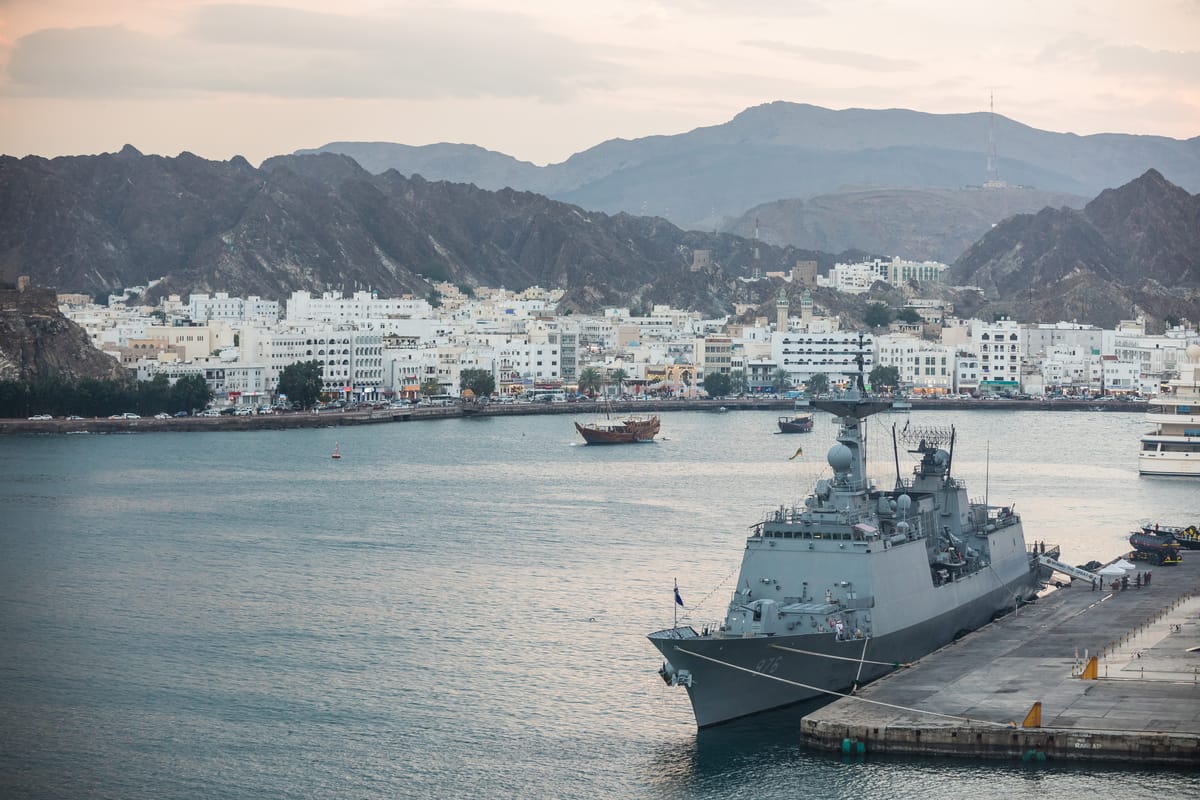
An aggressive geopolitical restructuring of international maritime trade routes is underway as leadership in Tehran attempts to solidify absolute administrative command over the world's most critical energy chokepoint. Senior Iranian diplomatic figures have issued direct threats to neighboring Gulf states, demanding compliance with a revised regulatory framework that permanently alters regional navigation laws established prior to recent hostilities. This sudden economic and military assertion arrives at a critical juncture, directly intersecting with broader backchannel diplomatic maneuvers regarding frozen sovereign wealth and international nuclear treaties.
Iranian Deputy Foreign Minister Kazem Gharibabadi announced on Monday, June 29, 2026, that technical experts from Iran and Oman will soon initiate formal negotiations concerning the future management of the Strait of Hormuz. The deputy minister made it clear that Tehran expects immediate financial concessions from the international shipping community utilizing the shared maritime channel. Gharibabadi stated, “We demand to receive the cost of services in the strait, and we have discussed this with the Sultanate of Oman.”
The Iranian administration has explicitly informed Muscat that previous naval protocols have been permanently invalidated by recent military developments. Gharibabadi added that Iran notified Oman of the absolute necessity to alter existing shipping routes within the vital choke point, asserting that “The situation in the Strait of Hormuz will not return to what it was before the war.” He emphasized the regime's unilateral stance, declaring, “We are determined to formulate new arrangements in the Strait of Hormuz, in consultation with the Sultanate of Oman.”
The implementation of these aggressive maritime regulations is already being enforced through direct kinetic actions by Iranian naval forces against foreign commercial vessels. Gharibabadi revealed that Tehran has already detained multiple ships that attempted to traverse the Strait of Hormuz via alternative routes not explicitly approved by Iranian authorities, warning that these maritime seizures will continue. The deputy minister stated, “We informed the Sultanate of Oman that Iran is the one that will determine the shipping routes in the Strait of Hormuz, and we reject any other route.” He concluded with a severe warning to Muscat, stating, “If Oman does not cooperate in the mechanism for managing the Strait of Hormuz, we will proceed alone.”
This aggressive regulatory push has met immediate diplomatic resistance from Omani leadership, who wish to preserve traditional freedom of navigation within the international waterway. Omani Foreign Minister Badr bin Hamad Albusaidi responded to the public threats by clarifying that Muscat does not support the imposition of arbitrary customs, tariffs, or transit fees on commercial shipping passing through the strait. This public divergence highlights a growing rift between the two neighbors who technically share joint territorial oversight of the strategic passage.
The brewing maritime confrontation occurs as the United States and Iran prepare to renew sensitive diplomatic contacts surrounding a prospective memorandum of understanding. Strategic analysts indicate that the ongoing naval skirmishes and mutual strikes in the Persian Gulf represent a broader struggle for geographic dominance that Tehran views as vital to its survival. Iranian defense planners believe that if commercial ships can bypass their oversight, the regime will lose its primary leverage in future nuclear negotiations or in the event of a renewed war against Western forces.
Simultaneously, Iranian President Masoud Pezeshkian announced a major economic victory, confirming that Tehran has successfully reached an agreement with Qatar to unlock a massive cache of restricted currency. According to the executive statement, Doha will release six billion dollars out of twelve billion dollars in total Iranian assets that had been frozen inside Qatari banking institutions due to international sanctions. While this financial influx provides immediate liquidity to the regime, top officials remain fixated on maintaining absolute physical command of the Strait of Hormuz to dictate terms to global energy markets.