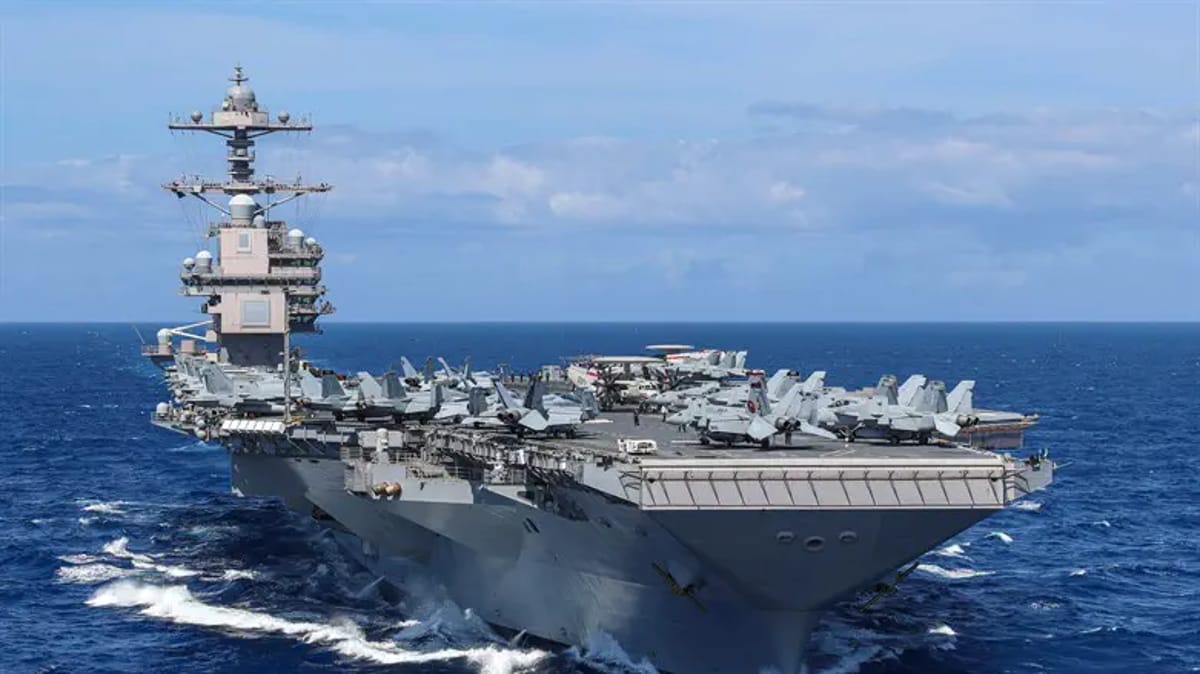
The Iranian Revolutionary Guard has significantly raised the stakes in the Persian Gulf, declaring that the mere approach of military vessels to the Strait of Hormuz will be viewed as a direct violation of the current ceasefire. In a statement released on Sunday, the Guard's naval wing asserted that the waterway is under their "smart management" and total control, warning that any foreign warships will be handled with "severity." This aggressive stance challenges the freedom of navigation in one of the world's most critical shipping lanes and sets a dangerous precedent for naval encounters during the fragile truce.
Redefining the Rules of Engagement
Tehran is attempting to enforce a new reality in the strait, one where only civilian vessels are permitted passage under "special rules" dictated by the regime. "The approach of warships to the Strait of Hormuz will be considered a violation of the ceasefire, and they will be dealt with decisively," the statement read, adding that their naval forces are maintaining a high level of operational discipline. This rhetoric is a direct counter to President Trump’s recent declaration of a naval blockade, with Iran insisting that it, not the United States, is the entity managing the flow of traffic.
The Revolutionary Guard also dismissed claims from Western officials regarding their lack of control, calling reports of missing mines or disorganized naval command "false claims of the enemy." By asserting "smart management," the regime is signaling that it has the technical and tactical means to differentiate between ship types and respond instantly to what it perceives as an intrusion. As the U.S. Navy prepares for its own enforcement operations, the overlap of these two conflicting doctrines in a narrow waterway creates a high probability of a direct military clash that could end the ceasefire in an instant.