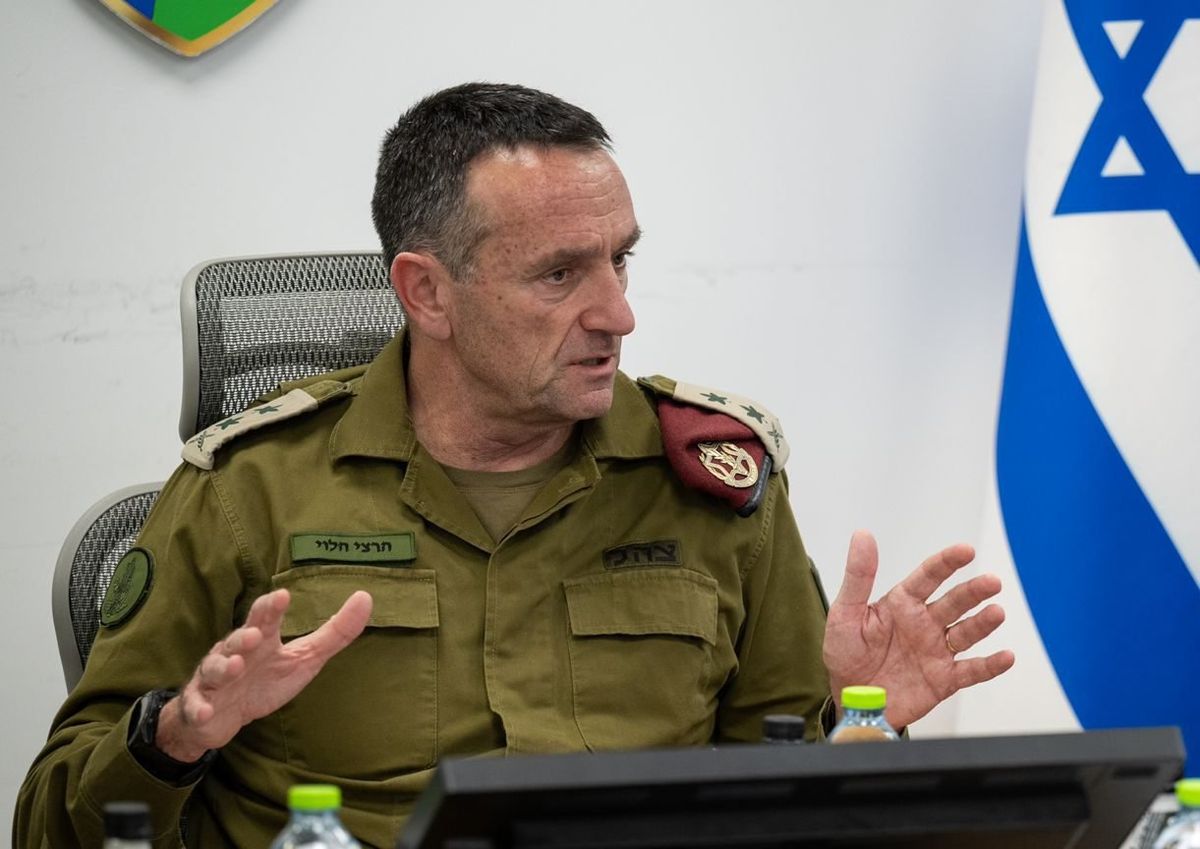
Previously unpublished military investigation materials have exposed the dramatic behind the scenes details of the critical minutes preceding the October 7 terrorist attacks. The documents outline a surprise telephone call placed at 3:20 AM that awakened then IDF Chief of Staff Herzi Halevi, a change in protocol driven by a prior security incident, and the specific scenarios that most concerned the defense establishment hours before the assault.
The sequence of events that led to the late night call began weeks earlier, when intelligence units received an isolated, context free report indicating that Hezbollah was actively planning to assassinate a former defense official. Security agencies immediately increased protection details and advised the target to remain at home. While the information reached senior military staff, the inner circle decided the report was too vague to justify disturbing Chief of Staff Herzi Halevi during the night.
Shortly thereafter, a hidden explosive device detonated along a popular bicycle path in Tel Aviv's Yarkon Park, precisely along the route frequently used by the former official. When Herzi Halevi awoke and discovered that his staff had chosen to withhold the intelligence update, he expressed severe anger and issued strict orders mandating that commanders must be awakened for all anomalous night developments.
Weeks later, when communication lines began buzzing with unusual activity in the early hours of October 7, duty officers followed the new protocol and placed an immediate call. At 3:20 AM, the telephone rang at the private residence of Herzi Halevi, conveying an urgent update regarding highly suspicious indicators and the sudden activation of Israeli mobile phone SIM cards by Hamas terrorist units inside the Gaza Strip. The calling officer noted that while intelligence sectors believed the group was maintaining routine status, the movement required formal notification.
Rather than returning to sleep, Herzi Halevi initiated an immediate conference call with the head of the Southern Command to evaluate the situation. While waiting for the connection, the commander sat in a private home study, took a sheet of paper, and wrote a series of notes, beginning with the cautionary sentence: "Do not think that this is nothing". Underneath this heading, the commander outlined the two specific tactical anxieties that dominated his overnight assessment.
The primary area of concern listed on the page was Zikim Beach, as the military's automated maritime diving detection systems had been malfunctioning, raising fears that terrorists would exploit the gap to launch a seaborne raid. The second written concern involved a known offensive tunnel in the southern sector that had been previously booby trapped by engineers. Herzi Halevi worried that Hamas had discovered the counter measures, neutralized the explosives, and planned to use the tunnel for an imminent infiltration.
The investigation files show that Herzi Halevi, along with other high ranking officers awake at that hour, did not foresee a total breakdown of the border, viewing the late night call primarily as an opportunity to guide a less experienced Southern Command officer through a nighttime drill. The final directive issued to the Gaza Division emphasized operating with extreme caution to avoid alerting the terrorists that the military was responding. The documents note that a massive, simultaneous invasion by thousands of Nuqba terrorists was completely absent from the page, which remained sitting on the study desk months later.