Excavation work began Wednesday morning at Ketziot Prison on a roughly 170 meter trench surrounding one of the facility's wings holding Nukhba terrorists, the first physical construction tied to National Security Minister Itamar Ben Gvir's plan to station Nile crocodiles as a security barrier at Israeli prisons, as reported by Ynet today.
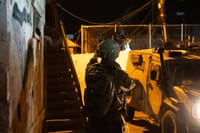
A local council official confirmed the digging is taking place inside the prison grounds, invisible from outside the perimeter, though it remains unclear whether crocodiles will ultimately be placed in the completed trench.
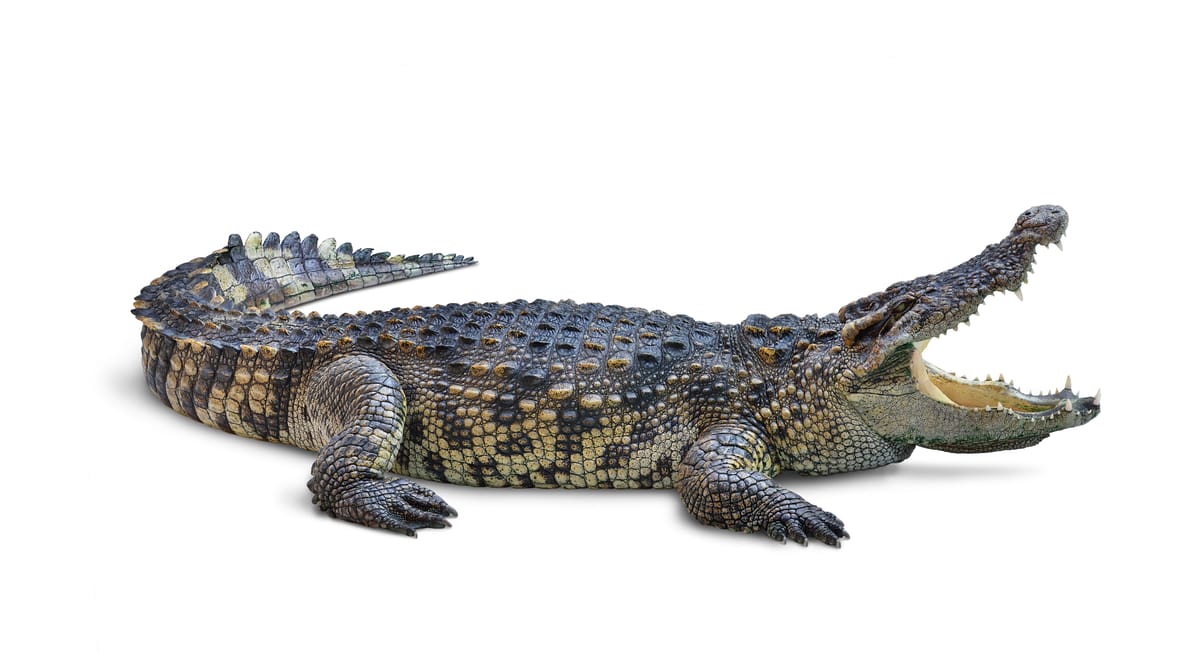
The National Security Ministry confirmed that work on the crocodile trenches has begun. A statement issued on behalf of Ben Gvir said the pilot program has now officially launched at the Ketziot wing, following Environmental Protection Minister Idit Silman's signed declaration reclassifying the Nile crocodile as a tended wild animal, a designation that cleared the legal path for the Israel Prison Service to proceed. The ministry's statement was blunt about its purpose, arguing that those who murdered, massacred, and raped, and who behaved like animals, deserve to be guarded by animals.
A Fully Planned Pilot, Ministry Says
Ynet explained that according to the ministry, the Prison Service is fully prepared, with a detailed plan covering everything from ongoing maintenance and monitoring of the crocodiles to the design of rest areas for the animals themselves, and prison guards have already been trained in how to safeguard both the site and the crocodiles. The National Security Ministry said it has allocated 21 million shekels toward building the trenches, and framed the initiative as a measure that will ease the burden on guards responsible for watching over Nukhba prisoners.
Local And Legal Pushback
The move has drawn sharp criticism closer to home. Eran Doron, head of the Ramat Hanegev Regional Council where Ketziot is located, argued the money would be far better spent on fighting crime in the area, pointing to unmet needs like a police station in Bir Hadaj, removing illegal weapons, and regional policing, and dismissing the crocodile plan as an expensive gimmick funded by Israeli taxpayers. Doron noted that the prison complex has already been surrounded by an additional perimeter wall at significant cost within the past two years, and said Negev residents are asking for real, practical security measures rather than what he called political theater.
Israel's Nature and Parks Authority plenum convened specifically to discuss the proposal and, according to the report, every participant present opposed it. Professional staff at the Environmental Protection Ministry have also warned that the reclassification has no legal precedent, lacks professional grounding, and may conflict with existing law, since wild animals under Israeli law may generally only be kept for education, research, and public awareness purposes. The animal rights organization Let the Animals Live has formally demanded that Silman and Ben Gvir halt the plan, with the group's legal team arguing that using crocodiles as a deterrent in a prison setting is disproportionate and would cause the animals significant suffering while endangering the public as well.
Where The Crocodiles Would Come From
Israel currently has only a small number of Nile crocodiles at Hamat Gader in the north, while a separate facility, the Crocoloco farm in the Arava, holds more than 200. No contact has been made with that farm regarding the use of its animals for security purposes, according to the report. The idea, inspired by the now-closed "Alligator Alcatraz" migrant detention concept associated with the Trump administration in Florida, was first raised by Ben Gvir in meetings with the Prison Service commissioner and has moved from proposal to an active construction pilot in roughly seven months.