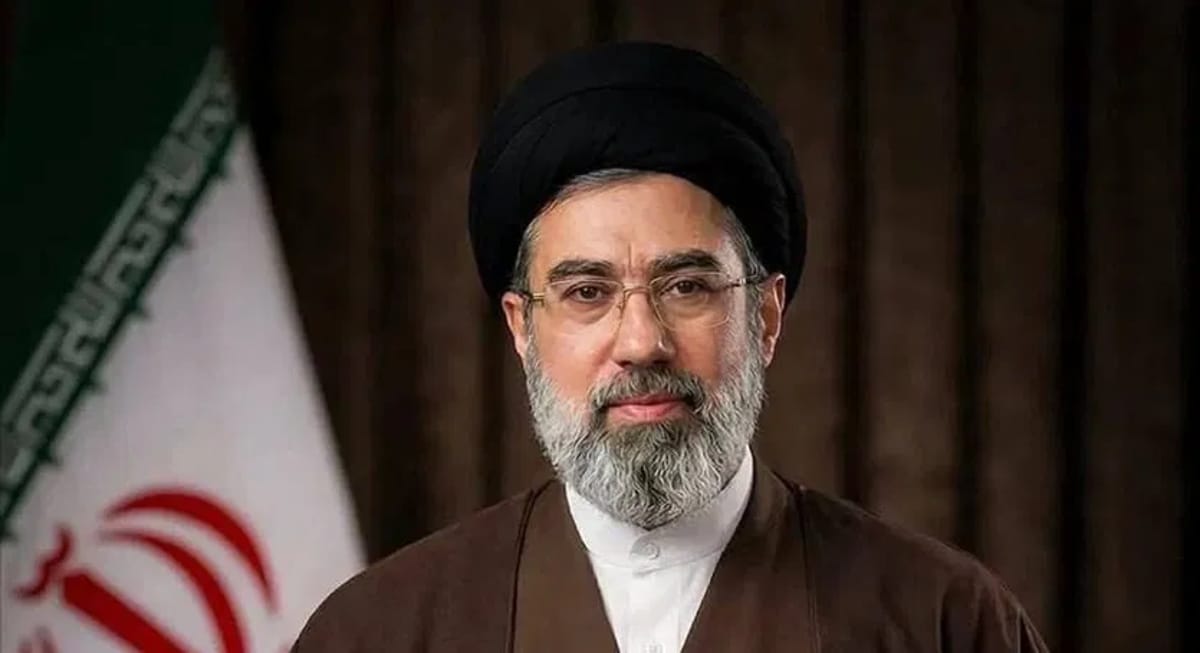
The political foundation of Iran is experiencing an unprecedented fracture following the death of Supreme Leader Ali Khamenei, exposing deep internal warfare over the nation's future direction. Amid the high profile funeral proceedings attended by officials from dozens of countries, the ruling conservative elite has split into opposing factions. The newly appointed Supreme Leader, Mojtaba Khamenei, is finding it exceptionally difficult to contain the growing political rebellion. This internal war marks a complete departure from the absolute control historically maintained by his father.
The public friction visible to the outside world represents only the tip of the iceberg regarding a much larger struggle for institutional control. Rather than the traditional divide between reformists and conservatives, this intense war is taking place entirely within the ruling conservative establishment itself. A pragmatic faction, which includes President Masoud Pezeshkian and Parliament Speaker Mohammad Baqer Qalibaf, argues that national survival depends on ending the war with the United States. They are joined by Supreme National Security Council Secretary Mohammad Baqer Zolqadr and senior Revolutionary Guard commanders who favor economic restoration.
This pragmatic group successfully advanced a ceasefire agreement and direct diplomatic channels with US Vice President JD Vance, leading to an accord with President Donald Trump. President Pezeshkian defended the diplomatic breakthrough, stating that the supreme leader approved the decision and that he refuses to yield to the will of a minority. However, the ultra conservative faction, led by Saeed Jalili and the Paydari Front, aggressively rejects any compromise regarding the nuclear program. They insist the agreement was forced upon the leadership against its true tactical interests.
The pushback from these hardliners has turned highly volatile, with public protests featuring death chants against the chief negotiators. Member of Parliament Mahmoud Nabavian openly questioned on social media whether a coup is taking place in Tehran. He lambasted the diplomatic negotiations, arguing that the ten strict conditions set by the leadership were completely ignored and labeling the accord the essence of corruption. These aggressive public attacks directly weaken the new supreme leader's authority by exposing his lack of absolute compliance.
A major point of contention in this internal war involves the strategic control of the Strait of Hormuz. Hardliners claim the new agreement allows an American and Omani backed shipping lane to bypass Iranian sovereignty, letting commercial vessels pass under US naval escort. Qalibaf defended the economic reality in a television interview, noting that the value of the waterway increases as traffic expands rather than using it as a self destructive tool. Radical elements are now demanding an emergency activation of parliament to pass legislation ensuring total Iranian control over the vital shipping route.
Unlike his father, who held total dictatorial authority over every major state decision, Mojtaba Khamenei faces a highly diluted executive role. Vice President for Executive Affairs Mohammad Ja'far Qa'am-Panah openly stated that the position of the supreme leader is now simply one voice among other voices in a collective system. He noted that if the system only required blindly executing orders, there would be no need for a parliament or the Supreme National Security Council. Such public statements were entirely unimaginable during the previous regime and highlight the rapid erosion of absolute power.
The new leader's prolonged absence from public view since taking office has generated severe doubts about his long term capability to govern. A critical test of his remaining authority will arrive immediately after the official mourning period concludes. He must appoint a new head of the judiciary, the chief of state broadcasting, the leader of the Basij militia, and his own chief of staff. Conflicting state media reports regarding the extension of current judiciary chief Gholam Hossein Mohseni Ejei already indicate that these upcoming administrative decisions will decide the ultimate balance of power.