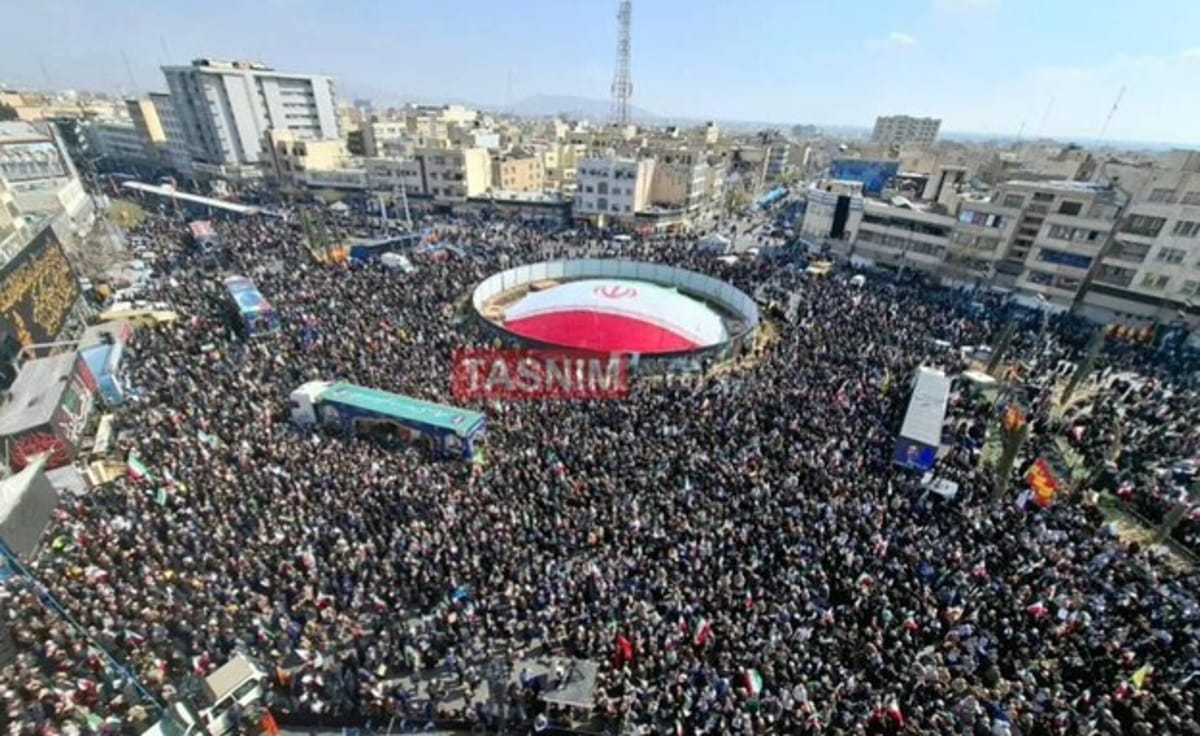
The Islamic Republic of Iran is finalizing massive security and logistical arrangements for the state funeral of assassinated Supreme Leader Ali Khamenei, an event projected to be the largest in the history of the country. The extensive state mourning rituals will commence tomorrow and extend through next week, winding through several strategic cities across Iran and potentially extending into neighboring Iraq. Iranian security bodies are currently bracing for the arrival of millions of citizens, converting public infrastructure into emergency accommodations to handle the unprecedented crowds.
Logistical planners and municipal administrators estimate that the massive gatherings will draw up to twenty million participants across the different regional events. The Mayor of Tehran noted that the capital city alone expects fifteen to twenty million mourners to clog the streets, with millions more arriving for subsequent ceremonies in the holy cities of Qom and Mashhad. To manage the immense influx, authorities are preparing to suspend commercial flights, establish gargantuan parking sectors, and utilize schools, mosques, sports complexes, and universities as makeshift hotels.
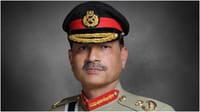
The funeral arrangements have also triggered the first public appearance of high-ranking defense officials who assumed power during the recent war. Revolutionary Guard Corps Commander Ahmad Vahidi made his very first public appearance since his appointment, attending an emergency planning session alongside Iranian President Masoud Pezeshkian and Parliament Speaker Mohammad Bagher Ghalibaf. Following the high-level meeting, Vahidi conducted field tours across Tehran to inspect the specialized crowd control and defensive deployments set up by elite Basij units.
In the days leading up to the main processions, Ghalibaf met with official delegations from the Amal movement, a prominent Lebanese political and military faction allied closely with the Hezbollah network. The official schedule dictates that tomorrow will feature a formal tribute dedicated to foreign dignitaries and representatives arriving from dozens of sympathetic countries. Public farewell viewings will take place in the capital on Saturday and Sunday, followed by the main funeral march on Monday, a transition to Qom on Tuesday, and final burial rites in Mashhad on Thursday.
Amid the logistical chaos, a severe psychological cloud hangs over the regime due to the deep security vulnerabilities of exposing the state elite. Heavy speculation remains as to whether the new Supreme Leader, Mojtaba Khamenei, will dare to make his inaugural public appearance, or if he will remain hidden alongside Vahidi due to the active threat of targeted assassinations. Regime forces are highly cognizant of domestic terror risks, recalling a devastating Islamic State bombing that killed nearly one hundred citizens during a similar mass memorial service for Qasem Soleimani.
To deter potential external disruptions from Western or regional adversaries, the joint armed forces command issued an aggressive public warning to the international community. General Ali Abdollahi, the head of the Khatam al-Anbiya central command, threatened the United States and Israel against attempting any military or intelligence operations while the nation is in mourning. "We warn the enemies of Iran, especially the U.S. and the Zionist regime, to avoid any miscalculation," Abdollahi announced, threatening "harsh responses and blows that will cause regret" if any aggression occurs.
Beyond its immense religious and spiritual dimensions, the Islamic Republic views this extended funeral cycle as a crucial test of its enduring political stability and post war survival. The significant delay in burying the late leader, whose body was held for months due to active wartime conditions and defense priorities, has become a polarizing topic. While political dissidents have used the long postponement to mock the regime's desperate attempts to manufacture mass participation, state loyalists argue the successful execution of the event proves the absolute resilience of the government.