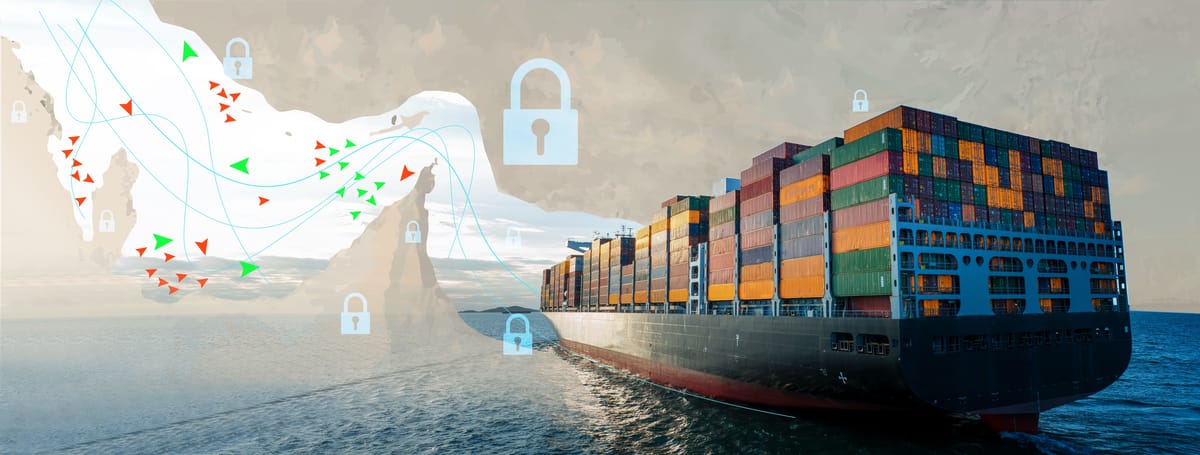
The United States has entered into high stakes backdoor negotiations to resolve the shipping crisis gripping the Middle East, offering a monumental financial package to stabilize global energy markets. According to recent intelligence disclosures, Washington is dangling the release of restricted funds to convince Tehran to abandon its aggressive maritime financial policies. The ongoing dispute over transit rights in the region has become the pivotal focal point for preventing a broader international economic collapse.
According to a detailed report by the Wall Street Journal, the United States and Oman are collaborating to find a diplomatic mechanism to persuade Iran to rescind its demand to levy mandatory transit fees on commercial vessels. Washington's primary point of leverage in these indirect discussions with Tehran is a concrete promise to release a significant portion of roughly one hundred billion dollars in Iranian assets currently frozen in overseas banking institutions.
The urgency of the talks has intensified following revelations that several of Europe's leading powers have already broken ranks with Washington's rigid stance. Sources familiar with internal discussions revealed to Bloomberg that European capitals have privately agreed that vessels traversing the Strait of Hormuz, one of the most critical trade arteries on Earth, will inevitably be forced to pay transit service fees to Iran and Oman.
Diplomats involved in the closed door sessions stated anonymously that the collection of these transit service fees following the recent war involving the United States, Israel, and Iran is now viewed by Europe as a foregone conclusion. European officials reportedly concluded that paying the maritime levies is necessary because it is simply better to avoid another war with Iran at all costs.
This development follows an earlier report by the Washington Post confirming that despite public opposition from the White House, Iran and Oman have been aggressively advancing a joint framework to collect tolls from international shipping companies. Omani authorities recently submitted a formal proposal to the United States and other Western nations outlining a structured service fee system for crossing the strategic waterway.
A source familiar with the American position confirmed that Washington's negotiating team received the Omani document but noted that the United States maintains severe reservations that it intends to present to Omani officials during the next round of talks. If implemented, the plan will completely dismantle the historical status of the Strait of Hormuz, which has functioned for decades as a totally free, uninhibited international transit lane.
Prior to the outbreak of the recent war, global oil and gas tankers moved through these waters without paying sovereign fees. During the intense fighting between Israel and Iran, Tehran imposed an effective blockade on the waterway, shocking international energy markets and causing global oil and gas prices to skyrocket. Since then, Iranian officials have repeatedly stated their intent to transform the strait into a permanent state revenue asset through mandatory transit tolls.
Oman has suggested utilizing an international precedent to make the concept more palatable to Western regulators. Diplomats noted that the Omani proposal draws heavy inspiration from the maritime models currently utilized in the Malacca and Singapore straits. In those regions, a specialized fund financed by shipping company fees and donations covers maritime safety, lane maintenance, and navigation services, a system that Oman and Iran hope to duplicate in the Persian Gulf.