The internal debriefings taking place within the upper echelons of the Israeli defense establishment have yielded a dramatic confession regarding the events of the past twenty four hours. High ranking security officials have formally acknowledged that their strategic models and intelligence forecasts were deeply flawed prior to authorizing the massive airstrikes against the Dahiyeh district in Beirut. In an exclusive briefing with local media outlets, multiple senior defense figures admitted that the state's intelligence assessments underestimated the enemy's operational readiness.
Prior to the political echelon approving the high intensity bombardment of Hezbollah’s administrative center in the Lebanese capital, the dominant theory on the decision making table suggested that Iran would remain restrained. A senior security official confessed that before the final choices were made, "the possibility that Iran would respond immediately with direct fire toward the territory of the State of Israel was not the leading or most probable option on the discussion table." Analysts had consistently argued that the regime would avoid a direct exchange.
The long standing security concept regarding Iranian restraint completely disintegrated as the afternoon progressed, despite the appearance of several explicit indicators. Even when official spokesmen in Tehran began broadcasting public warnings stating that they were preparing an immediate and massive military response, prominent figures within the intelligence community dismissed the statements as basic psychological warfare. The prevailing belief was that the Islamic Republic would follow its historical patterns of avoiding direct engagement, choosing instead to rely entirely on its local proxies.
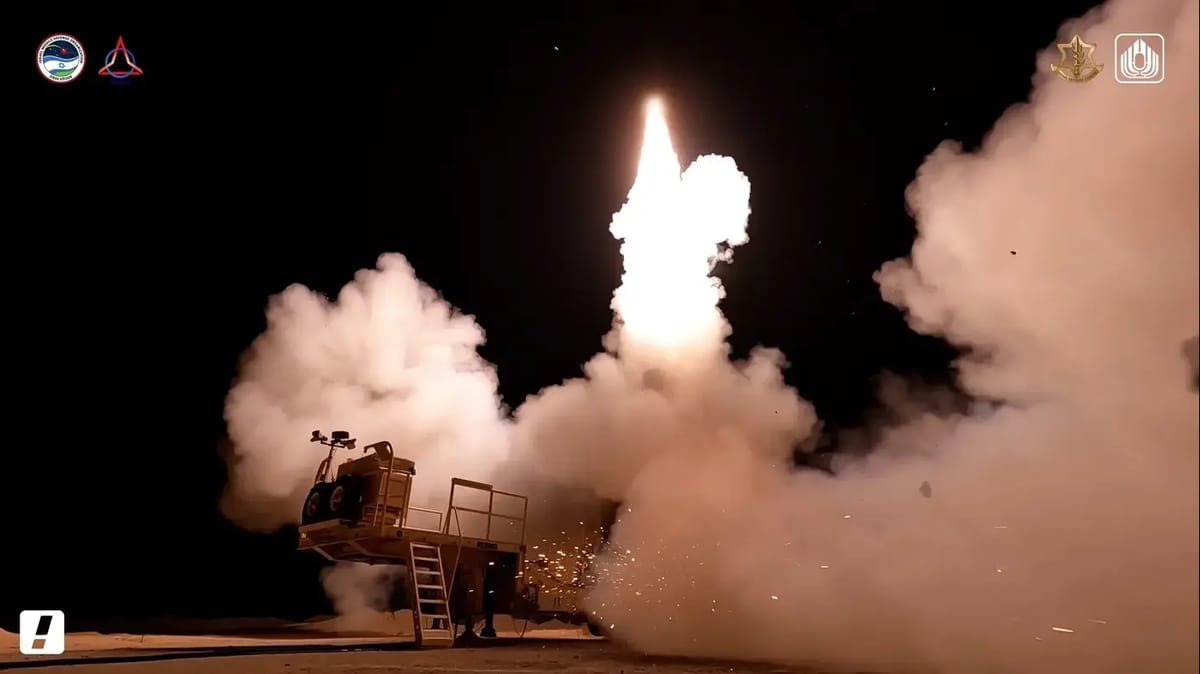
The reality on the ground quickly disproved these established theories, as radar systems detected hundreds of incoming ballistic missiles tracking toward major population centers. The scale and speed of the retaliation caught portion of the defensive planning apparatus off guard, forcing millions of citizens into protective shelters and complicating ongoing air operations. The security establishment is now confronting intense scrutiny over why such clear public and electronic warnings were mischaracterized during the critical decision window.
Defense officials noted that they are completely overhauling their predictive models to ensure that public threats from adversary nations are treated with absolute operational seriousness moving forward. The general staff has ordered an immediate review of all active evaluation protocols across the intelligence branch. While a temporary regional calm has been established through intense diplomatic pressure, the internal fallout from this intelligence failure is expected to influence future operational planning.