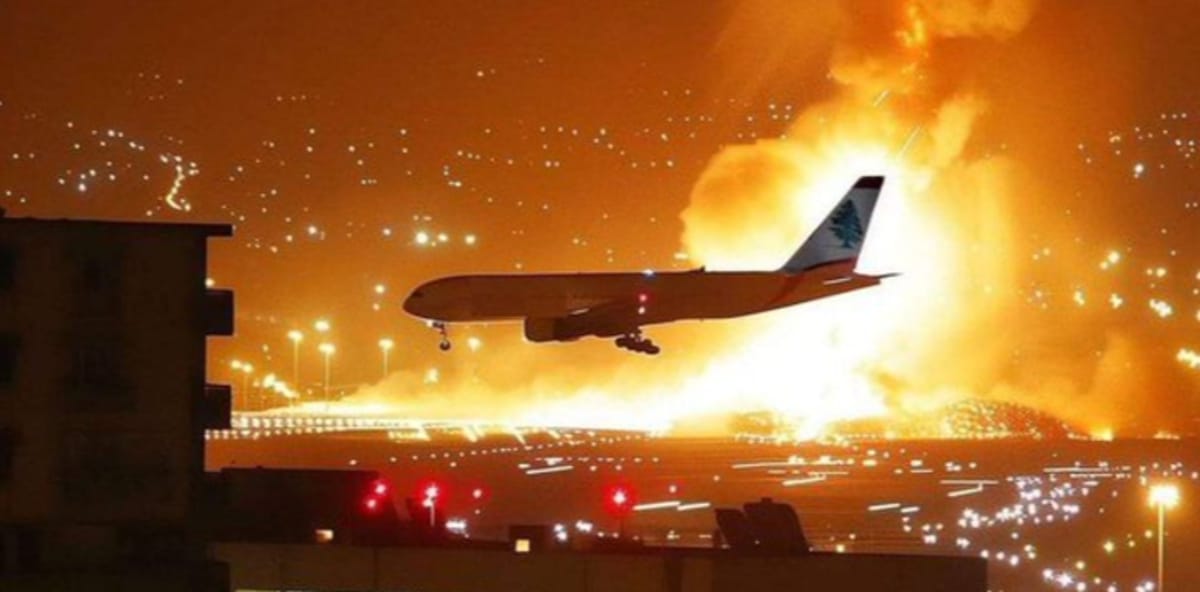
The threat of a regional war has placed the nation of Lebanon in a state of absolute terror. Following the U.S. State Department’s order to evacuate all non-essential personnel and their families from the American Embassy in Beirut, the Lebanese government is bracing for a catastrophic military escalation. Foreign Minister Youssef Regi expressed these fears during a meeting in Geneva, stating that there are "extreme indications" that Israel plans to strike Lebanese civilian infrastructure with unprecedented force. The panic in Beirut is driven by a series of indirect warnings from Jerusalem, which clarify that the Lebanese state will be held fully responsible for any actions taken by the Hezbollah terrorists. If the "Resistance Axis" is activated to defend Iran, Lebanon may find itself at the center of a war that targets its power plants, bridges, and its only international airport.
The Israeli Ultimatum
Israel has reportedly transmitted a "harsh and indirect" message to the Lebanese government, outlining the consequences of a Hezbollah intervention. According to these reports, Israel will not distinguish between the terrorist group and the Lebanese state in a future war. If Hezbollah launches even a single rocket in support of Tehran, the IDF is prepared to strike "civilian facilities" with "full power." The message is clear: the Lebanese people will pay a heavy price for the actions of a proxy army that answers only to Ali Khamenei. This "all-out war" doctrine is a response to Hezbollah’s massive rocket arsenal, which remains a primary threat to northern and central Israel.
Beirut Under Siege
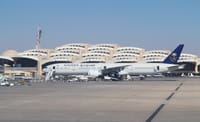
The fear of an airport strike has already caused ripples through the region’s aviation and tourism sectors. Foreign Minister Regi has urged the international community to intervene diplomatically, demanding that Lebanese infrastructure be kept out of the war. "We aspire to act diplomatically and demand that infrastructure not be attacked," he stated, while admitting that the situation is "very tense." The evacuation of American diplomats is seen as the clearest sign yet that Washington expects the "red zones" to expand into Lebanon within days. As the Gerald Ford aircraft carrier moves into position off the coast of Crete, the Lebanese government is left in a desperate position, unable to control Hezbollah but fully aware that their country’s future could be erased in a single night of Israeli air strikes.