A senior Israeli security source said Monday night that the political echelon has given the IDF a “green light” to intensify its responses to Hezbollah’s continued launches of drones and unmanned aircraft, which Israel says violate the ceasefire agreement. The official said there would be “several ways” for the IDF to increase the force of its response.
The decision comes amid growing criticism inside Israel’s defense establishment over the government’s prolonged restraint while waiting for developments in the U.S.-Iran negotiations. According to the report, IDF officials have repeatedly warned that the policy of containment toward Hezbollah is eroding operational gains made in recent months, weakening deterrence, and damaging the sense of security among residents of northern Israel.
Hezbollah, is operating right now on two parallel tracks: blocking any Israel-Lebanon agreement that would include disarming the group in southern Lebanon, while also tying its future status to a possible agreement between Washington and Tehran. A senior IDF officer said Hezbollah Secretary-General Naim Qassem has “placed all his chips on the Iranians,” believing an emerging U.S.-Iran arrangement could provide the organization with a political lifeline.
The northern escalation is also being shaped by American policy. The report says U.S. President Donald Trump has pressed Prime Minister Benjamin Netanyahu to reduce strikes in Beirut, avoid bringing down high-rise buildings, and pursue negotiations with the Lebanese government. At the same time, Israel has reportedly been excluded from central parts of the U.S.-Iran talks.
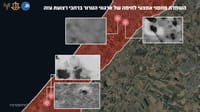
Despite an increase in drone, rocket, and UAV attacks toward IDF forces and Israeli territory, Washington has not yet approved a broad renewal of strikes against Hezbollah, according to the report. For now, the IDF continues to operate mainly in southern Lebanon, destroying above-ground and underground Hezbollah infrastructure in dozens of villages, while avoiding a broader maneuver north of the yellow line and north of the Litani River.
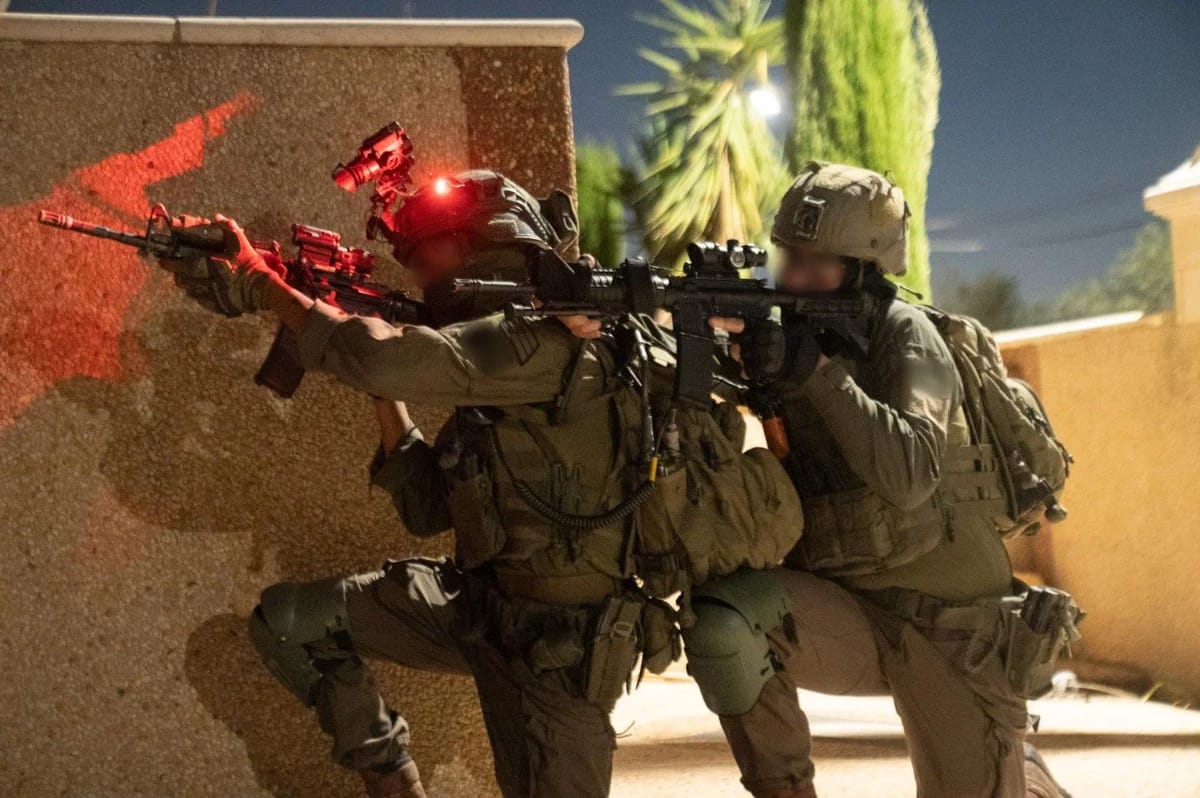
Inside the IDF, however, calls are growing to “release the reins.” Military officials argue that as Hezbollah increases fire on northern Israel and IDF forces, Israel must respond more forcefully and push the threat farther away from border communities. One officer familiar with the plans told Walla that operational plans already exist and have been approved: “The forces know what needs to be done.”
The officer criticized the current posture, saying that after Hezbollah intensified attacks on Israeli troops in southern Lebanon, the General Staff pulled forces back into Israeli territory, only for Hezbollah to begin targeting IDF forces inside Israel. “It is not clear what they are waiting for,” the officer said.