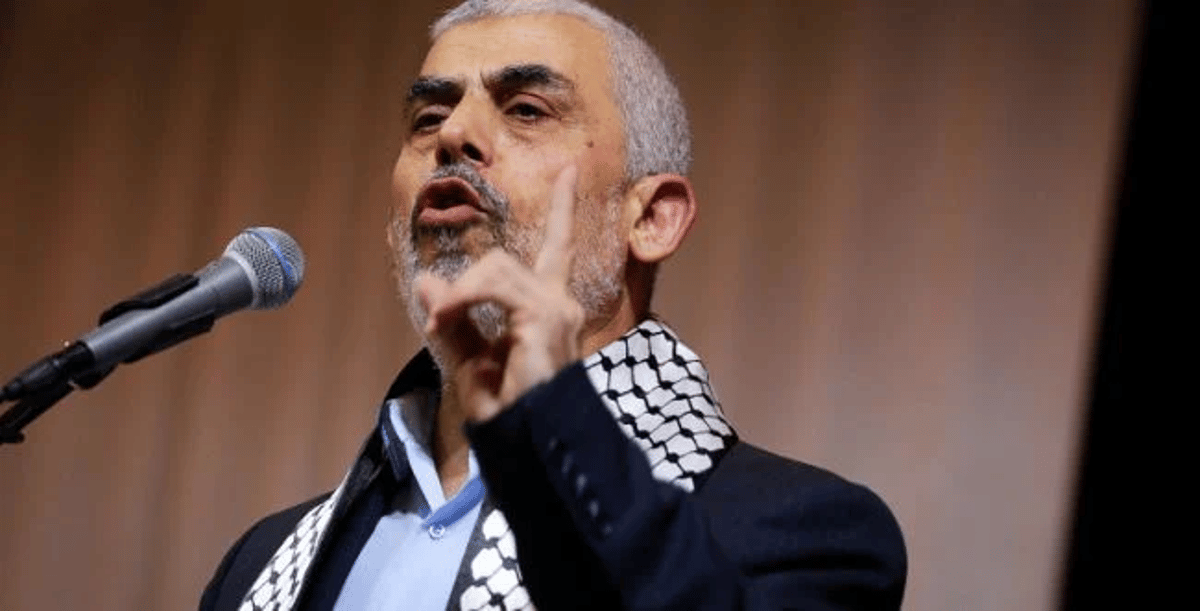
Today marks the one-year anniversary of the death of Yahya Sinwar, the Hamas leader and widely recognized mastermind behind the October 7, 2023, attacks on Israel. His elimination in a chance encounter with IDF troops in Rafah on October 16, 2024, was hailed by Israel as a decisive victory, yet his death has arguably shifted the conflict’s dynamics rather than concluding it.
GRAPHIC IMAGES
Sinwar’s Shadow: One Year After His Death, Hamas Searches For Its New Butcher
One year after Hamas leader Yahya Sinwar's death in Rafah, the organization struggles to find a successor while the conflict in Gaza continues amid leadership challenges.
An Unplanned End to a Long Hunt
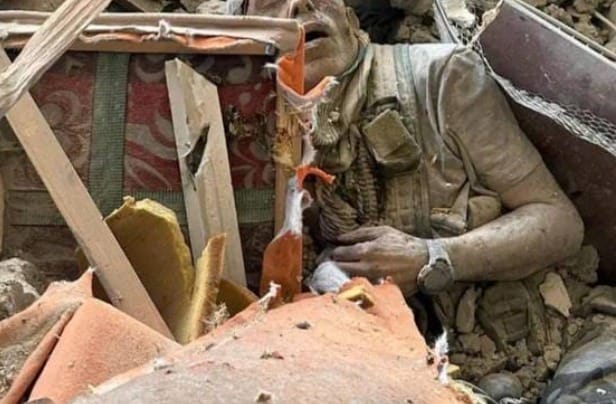
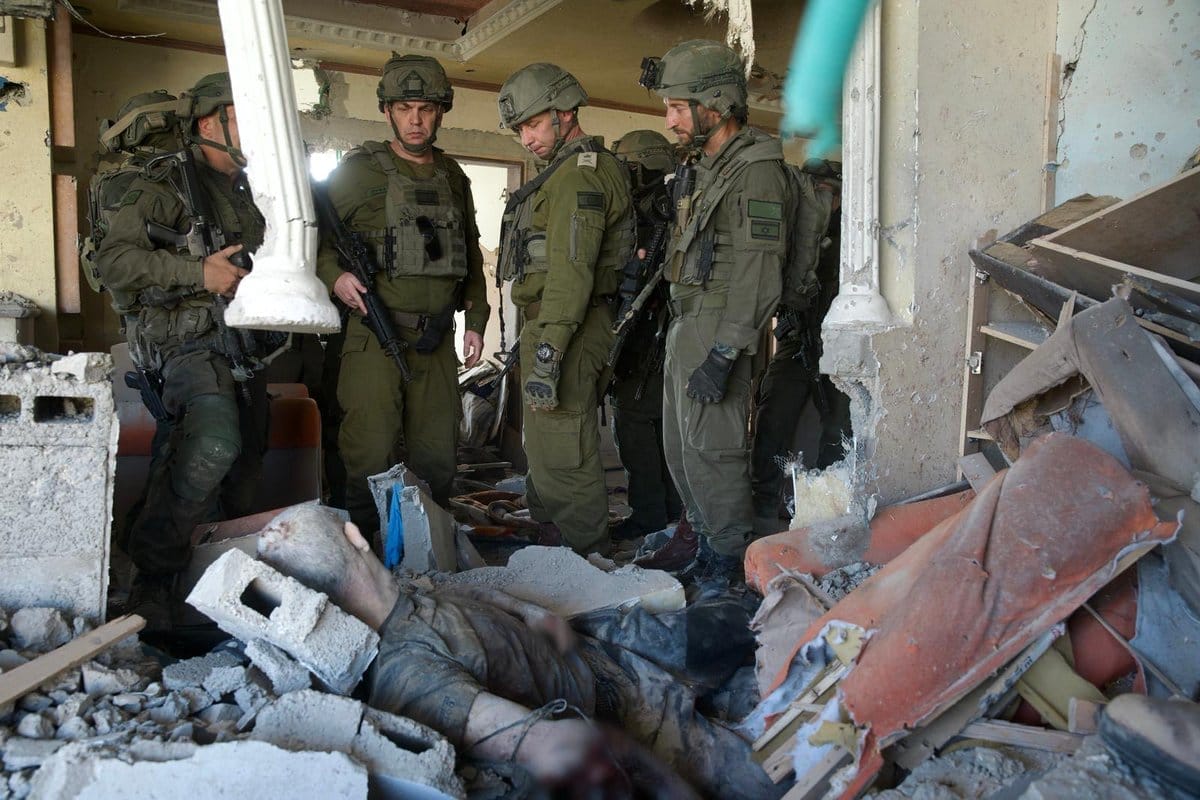
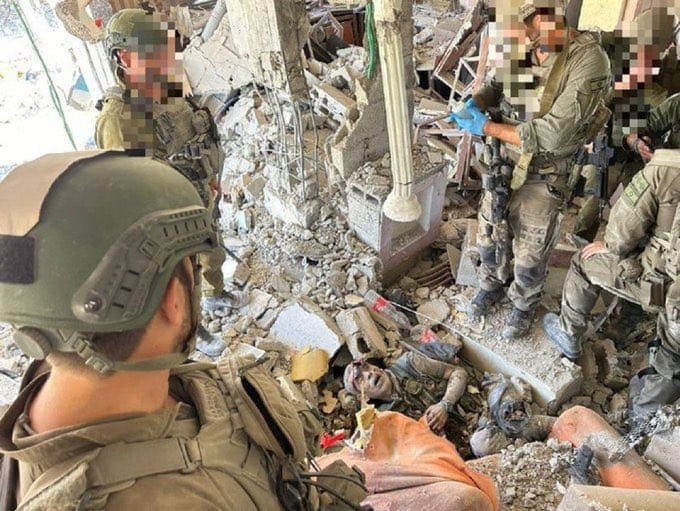
Sinwar, who had been Israel’s most wanted man since the start of the conflict, was killed in an unexpected firefight. According to IDF reports, he was discovered by conscript soldiers from the Bislamach Brigade during a routine patrol in the Tel al-Sultan neighborhood of Rafah. The soldiers, commanders Yaron Finkelman, Barak Hiram, and Oded Basyuk, engaged a group of terrorists, only later identifying one of the deceased, through DNA and dental records, as the elusive Hamas chief.
The manner of his death, not a precisely planned assassination, but a seemingly random battlefield casualty, underscored the chaotic and prolonged nature of the war he had set in motion. His last reported moments, captured by an Israeli drone, showed him injured, attempting to knock the drone out of the air with a stick, a final, defiant image that has been mythologized by supporters.
In this one year anniversary of Yahya Sinwar's death, Hamas left a statement:
"On the first anniversary of the martyrdom of the heroic martyr leader Yahya Sinwar (Abu Ibrahim): The flame of the flood will not fade, and the blood of the martyred leaders strengthens the path of resistance for generations to come. We pledge to adhere to their approach and remain faithful to their sacrifices and their path until the liberation of the land and holy sites.”
The Leadership Vacuum and Ideological Legacy
Sinwar’s death, which came shortly after he had been named the Chairman of the Hamas Political Bureau following the assassination of Ismail Haniyeh in August 2024, created a double leadership vacuum at the top of the terrorist organization.
While Israeli officials, including Prime Minister Benjamin Netanyahu, declared that the killing "settled the score" and was a boost to the war effort, the conflict has continued. Analysts suggest that while Sinwar's operational genius and iron-fisted control over the Gaza Strip are irreplaceable in the short term, his death has not eradicated the Hamas ideology or the terrorist group’s military capabilities.
The Unfinished Business of War
A year after Sinwar’s demise, the major aims of the war remain largely unfulfilled for both sides. For Israel, the return of all remaining deceased hostages and the complete dismantling of Hamas's governance and military infrastructure are still ongoing objectives. For the Palestinians, there's no clear political horizon for the enclave's future.
Sinwar, a figure released from Israeli prison in the 2011 Gilad Shalit exchange after serving 22 years, was seen by many as a radical pragmatist who devoted his life to the destruction of Israel. His death closes a chapter on the military leadership that orchestrated the October 7 massacres, yet the continued fighting proves that the shadow of his strategic vision, and the consequences of his actions will loom large over the region for years to come.