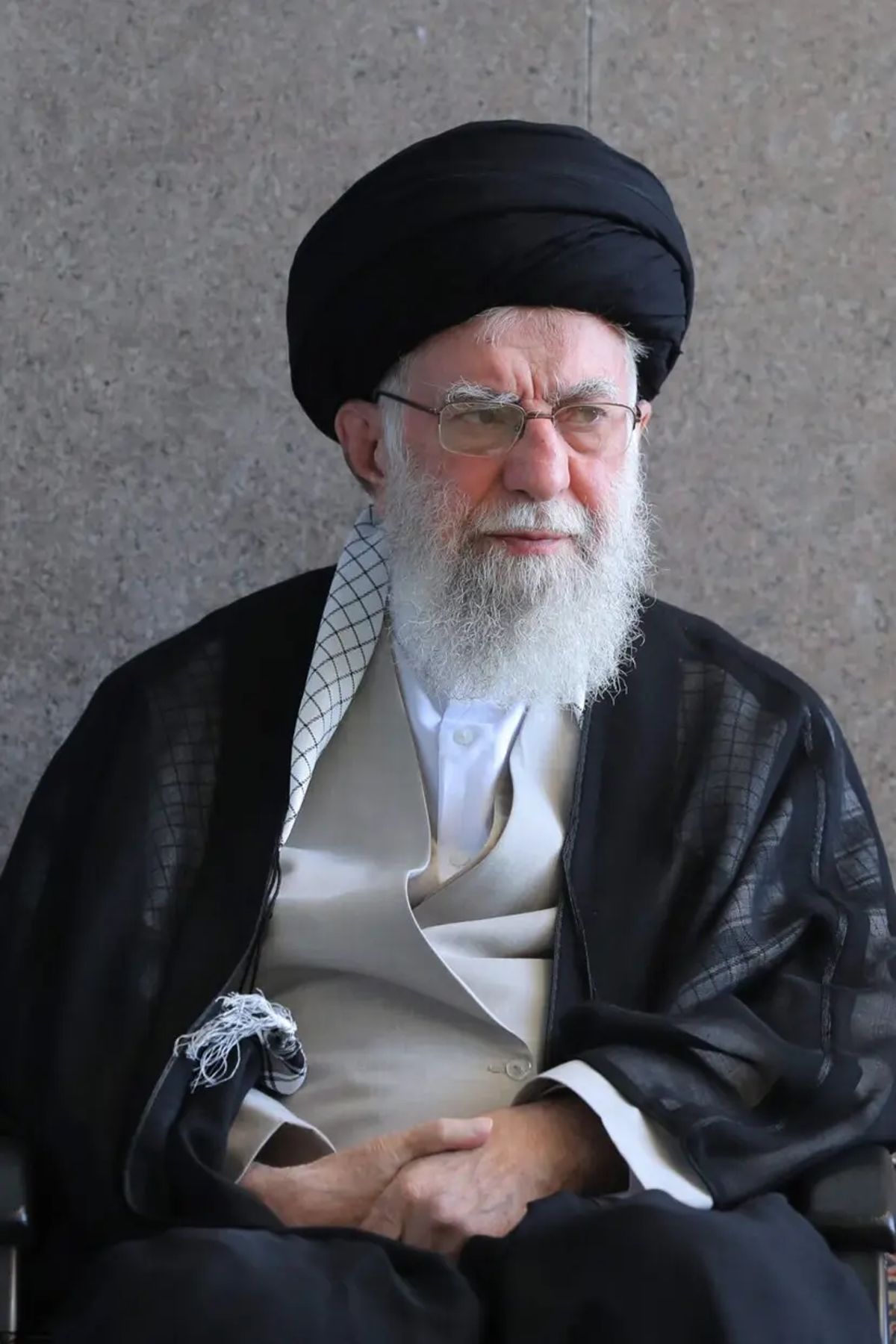
The government has initiated massive logistical preparations for one of the largest public mourning events in the history of the Islamic Republic following the death of its former supreme leader, Ali Khamenei. Coordinated state planning operations are underway to handle the immense security and transport challenges associated with the national farewell. High-ranking officials are organizing resources to ensure regime continuity during the extensive ceremonies.
The core of the organizational effort is focused entirely within Tehran, where municipal administrators are bracing for a truly staggering influx of citizens. The deputy mayor for social and cultural affairs, Mohammad Amin Tavakolizadeh, stated publicly that municipal offices are designing security and logistics grids to accommodate a crowd of more than fifteen to twenty million people in the capital. The central commemorative events are scheduled to span at least one full day within the city center.
The initial schedule had called for the memorial events to begin immediately after the leader's passing, with state media outlining plans for multiple days of public viewing and farewell gatherings. However, the central organizing committee abruptly postponed the start of the formal proceedings, explaining that additional time was absolutely mandatory to establish safety barriers and transport networks capable of managing the historic crowds. Despite these ongoing, large-scale preparations, an absolute, finalized calendar for every phase of the event has not been released to the public.
Citizens will receive three official days of national mourning to pay their final respects before the formal procession begins its journey across the country. Following the conclusion of the primary events in Tehran, the funeral cortege will travel directly to Qom and Mashhad, which represent two of the most significant theological and political centers in the country. This extended route effectively transforms the mourning process from a localized service into a massive, multi-city political event.
The final interment is expected to take place within the perimeter of the revered Imam Reza shrine in Mashhad, an area widely considered to be one of the holiest locations in Shiite Islam. Internal reports indicate that this specific resting place aligns directly with the explicit personal will of Khamenei and the preferences of his immediate circle. By focusing national attention on this highly symbolic location, the political establishment is seeking to utilize the public grief to project absolute stability and strength to international observers.