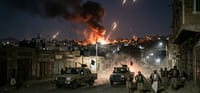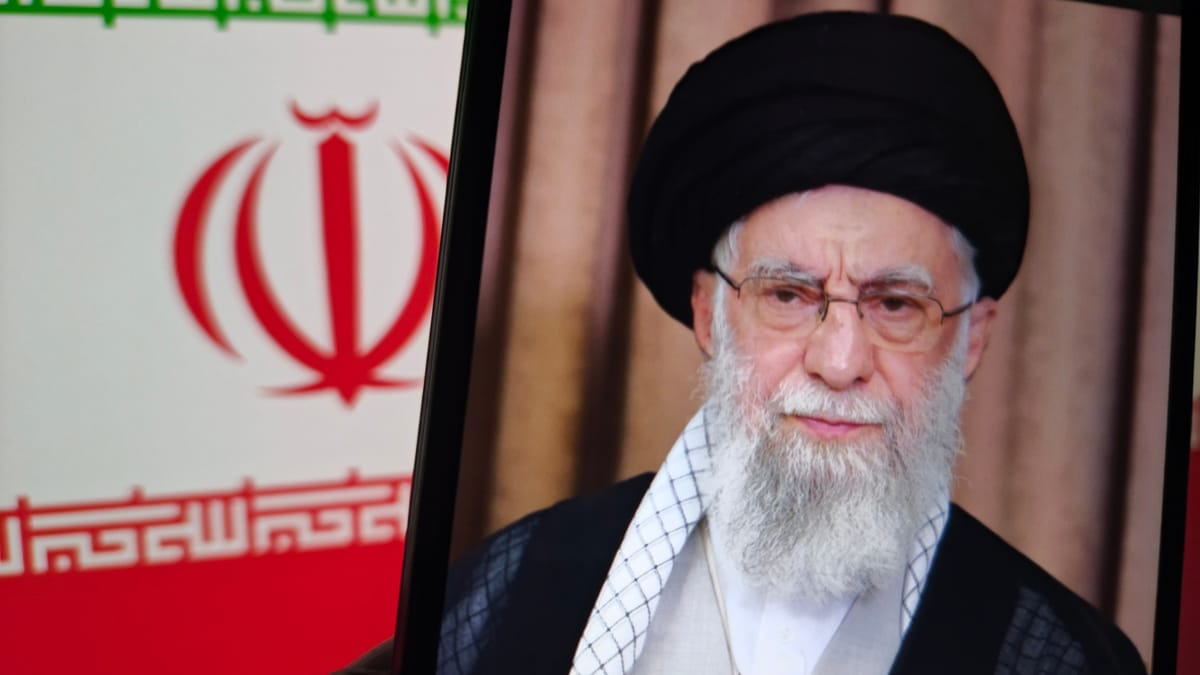
A massive decapitation campaign against the Iranian leadership has been revealed as a central pillar of the joint military strategy between Israel and the United States. While American forces have focused on broad strategic targets such as nuclear sites and missile batteries, Israel was tasked with the highly sensitive mission of locating and neutralizing the Iranian political and military elite. Since the start of the campaign on February 28, more than 250 senior officials have been eliminated, including the Supreme Leader Ali Khamenei and most recently, the commander of the Revolutionary Guard’s navy, Alireza Tangsiri. This operation is being hailed as one of the most successful and rapid assassination campaigns in modern history, powered by a sophisticated combination of human intelligence and cutting-edge artificial intelligence.
The AI Intelligence Breakthrough
The success of these strikes is largely attributed to a classified AI platform that analyzes staggering amounts of data to identify patterns in the lives of Iranian leaders. By hacking into thousands of digital targets, including street cameras, payment platforms, and the regime’s own internal internet infrastructure, Israeli intelligence has been able to track habits, movements, and secret meetings. In one extraordinary instance, a missile was reportedly redirected mid-flight after the target moved from an office to a nearby apartment, demonstrating the real-time precision of the system. "We tried to hack everything that could be hacked," an IDF official noted, explaining that the very tools the regime built to oppress its own people were turned into a digital roadmap for their eliminations.
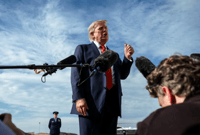
Despite the warnings and the clear escalation of the war, Khamenei and his "Group of Five" advisors reportedly continued to meet in central Tehran rather than retreating to reinforced underground bunkers. Israeli security officials expressed amazement at this lack of caution, with one noting that "any person on the face of the earth would have understood that the perfect storm was approaching." The strikes have been so frequent that President Donald Trump remarked that the Iranian leadership has had to be replaced multiple times, which he views as a successful step toward regime change. While the regime remains structurally stable for now, the constant loss of its most experienced commanders has left it in a state of strategic paralysis, struggling to adapt to a "New Order" where nowhere in Tehran is safe from precision fire.