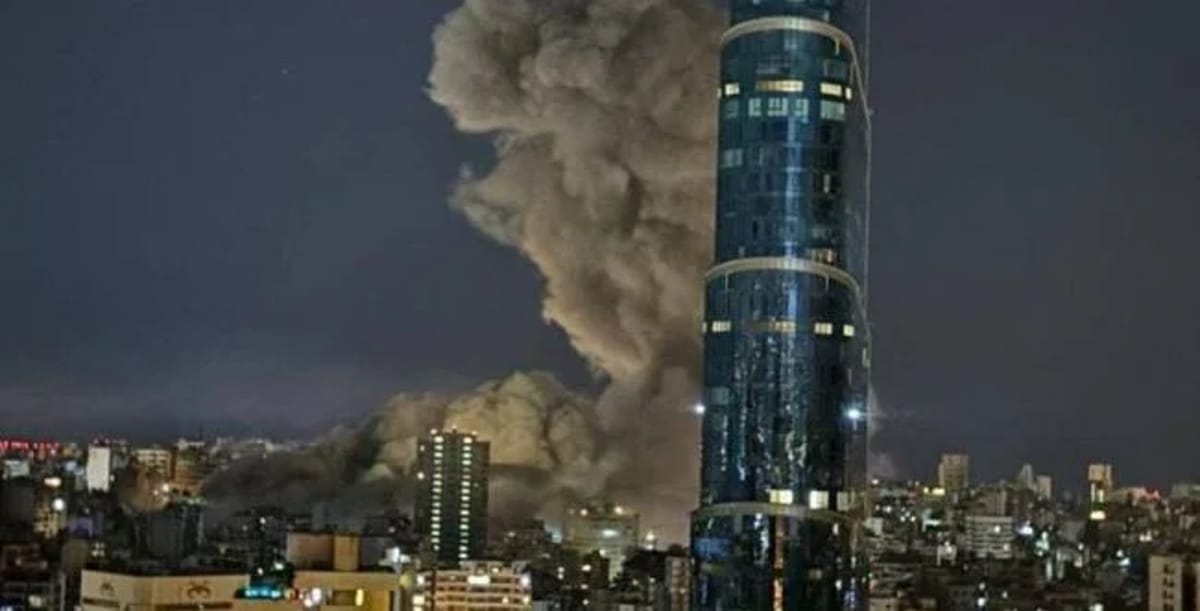
High level delegations from Israel and Lebanon have converged on the US State Department in Washington for a new round of diplomatic negotiations. Sources in Lebanon report that the United States is exerting significant pressure on Israel to avoid further strikes on Beirut and the Hezbollah stronghold of Dahiya. In return, the Americans are looking to secure an extension of the current ceasefire for an indefinite period, providing a window for a more comprehensive political settlement.
The Israeli delegation, led by Ambassador Yechiel Leiter, has introduced a "gradual movement" initiative for the ground. The proposal involves selecting specific areas in southern Lebanon to be cleared of Hezbollah presence in cooperation with the Lebanese army. Leiter emphasized that the ultimate goal is a two track process: a negotiation for full peace, including embassies and tourism, which would be contingent on the successful disarmament of Hezbollah.
During the talks, Israel has remained firm on its security requirements, insisting on the maintenance and potential expansion of a buffer zone. Reports suggest Israel wants this zone to extend more than 10 kilometers deep into Lebanese territory to effectively remove the threat of Hezbollah’s suicide drones. Without sufficient guarantees from the Lebanese side, Israel has warned that it will continue to take necessary actions for self defense, as evidenced by the recent interception of a suspicious aerial target over southern Lebanon.
A remarkable moment in the negotiations occurred during a meeting in the Oval Office between President Trump and the ambassadors of both nations. When asked about the threat from Iran, Ambassador Leiter stated that any deal must permanently remove the nuclear and ballistic threats and end support for regional proxies. Trump then turned to the Lebanese ambassador, who reportedly admitted that without the total cessation of Iranian support for Hezbollah, there would be no future for Lebanon.
President Trump’s reaction was immediate and blunt, telling both representatives, "Then you are actually on the same side. Both of you want to eliminate Hezbollah." This realization has become a central theme of the current talks, with the US attempting to leverage the shared interest of the Israeli government and the Lebanese state to marginalize the terrorist organization and restore Lebanese sovereignty.
Despite the optimistic rhetoric in Washington, the situation on the ground remains tense. Lebanon currently lacks firm guarantees that Israel will not resume its military campaign if the talks stall. The coming days will be critical as the State Department attempts to bridge the gap between Israel’s demand for a deep security buffer and Lebanon’s desire for a full Israeli withdrawal from the south.