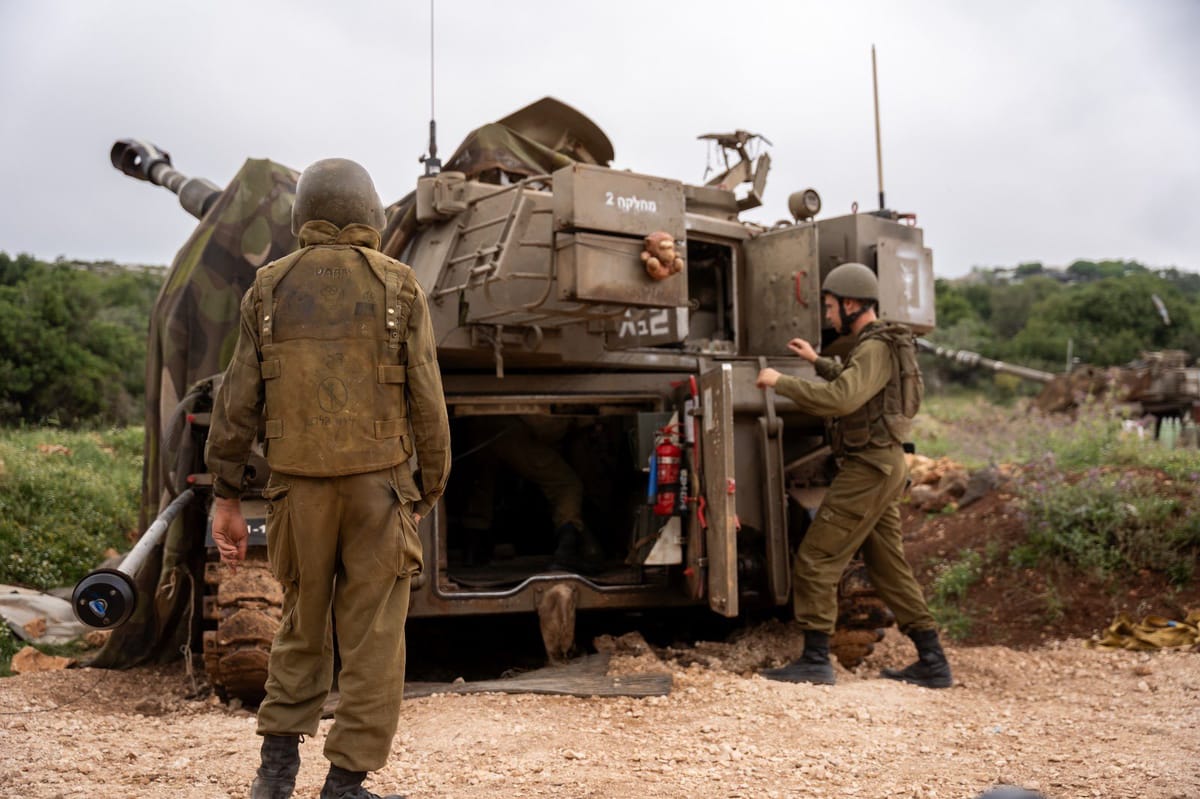
A growing rift has emerged between frontline commanders and the IDF high command following a tragic incident in the northern border community of Misgav Am. Ofer "Pushko" Moskowitz, a veteran member of the local security team, was killed when an IDF artillery shell, intended to assist troops operating deep within Lebanon, struck his vehicle inside the kibbutz. In the wake of this disaster, the military has implemented strict new limitations on the use of artillery fire near civilian areas. However, reserve officers and soldiers currently maneuvering in Southern Lebanon are sounding the alarm, claiming that these restrictions are leaving them exposed to Hezbollah ambushes and drone attacks without the necessary fire support.
The Debate Over Operational "Softening"
The internal military investigation into the death of Moskowitz concluded that the tragedy resulted from a "convergence of several operational variables and non-optimal firing conditions," though it explicitly stated that there was no negligence or ethical failure by the soldiers involved. Despite this, the head of the Ground Forces, Major General Nadav Lotan, has issued a more stringent operational order regarding artillery fire over settlements. This move has sparked a fierce backlash from field officers who describe it as a "return to the concept," a term used to describe the strategic blindness that preceded previous military failures. One reserve officer stated that entering Lebanese villages without a massive artillery "softening" is a recipe for disaster. "Why, when a unit enters a rural area in Lebanon, is there no bombing there?" the officer asked. "You need to carry out artillery fire to soften the area, hit the terrorists, hit the positions, and disrupt their activity. We are entering without artillery and I don't understand why. This is a full-blown concept failure."
The frustration is compounded by comparisons to the war in Gaza and earlier phases of the current northern campaign, where heavy fire was used to clear paths for infantry. Soldiers reported a recent incident where an enemy drone dropped grenades on a maneuvering force, an attack they believe could have been prevented with more aggressive fire cover. While the IDF Chief of Staff has accepted the findings of the investigation and emphasized the need to balance safety with operational needs, the men on the ground argue that the current balance is tilted too far toward caution. As the military looks to adjust its safety protocols, including the positioning of batteries further away from residential gates, the debate remains focused on one central question: how to protect the lives of civilians at home without sacrificing the lives of the soldiers fighting just across the fence.