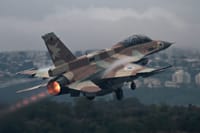
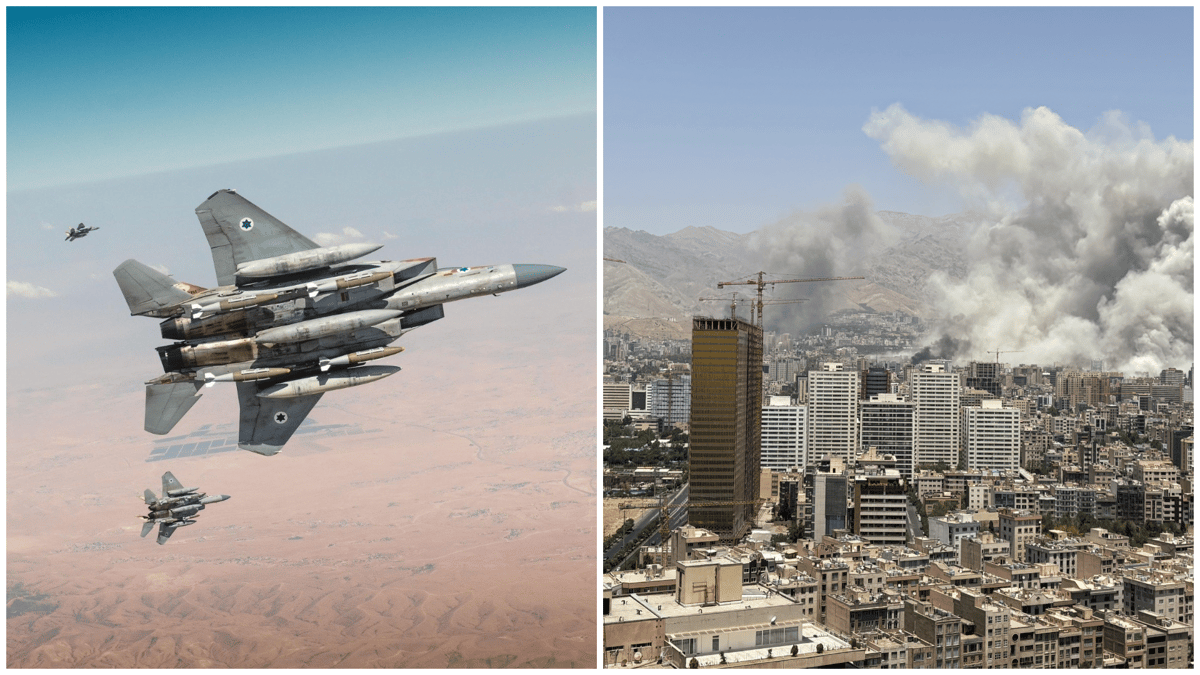
The United States and Israeli militaries have drawn up detailed plans for a renewed round of strikes on Iran that could be carried out after the November 3 U.S. midterm elections, the New York Times reported Wednesday, citing American officials and people familiar with the discussions.
The plans center on a short, intensive campaign of about three days. Targets would include Iran’s nuclear facilities, energy infrastructure, and missile and drone arsenals. Some U.S. planners believe a campaign of that length could do enough economic damage to force Tehran into nuclear concessions. The plans could also include a strike on Pickaxe Mountain, a deeply buried nuclear-related site.
Preparations have intensified in recent weeks, with U.S. and Israeli aircraft flying over Iraq to rehearse strike maneuvers. U.S. Defense Secretary Pete Hegseth discussed the possibility of renewed attacks with Prime Minister Benjamin Netanyahu during an unannounced visit to Israel this week.
No operation has been approved. The Times reported that Trump has vetoed several proposals for a return to major combat this year, most recently earlier this month. Trump publicly pledged on October 8 not to attack Iran before Americans vote. Officials told the Times there is a small chance he could still order a campaign this month, but that political considerations make an operation after the midterms more likely.
Reports differ on how close an attack came in October. The Financial Times reported that Israel was ready to strike the weekend of October 10, with a target list that included power plants and other infrastructure, before Trump stopped it because of the elections. The Jerusalem Post, citing IDF sources, reported that the military had not been planning a strike on October 10.
Trump told NewsNation on Wednesday that the United States is not negotiating with Iran and that something would happen “fairly soon.” He added that most people believe it will happen after the elections, without saying which elections he meant.
Military timing also points to early November. U.S. officials told the Times that America’s full complement of forces in the region, including three aircraft carriers, thousands of Marines, fighter jets and special operations units, will not be in place until then. The military prefers to strike under cover of darkness, and there will be more hours of darkness over Iran at the start of the month.
Israel’s October 27 election adds another layer. The Times noted that if Netanyahu loses, he would serve as caretaker prime minister, and experts said that could make it harder for him to launch a war. Axios reported last week that IDF Chief of Staff Eyal Zamir warned that resuming the war before the vote could force the election to be postponed, since Iran would likely retaliate with heavy missile fire.
Iran has warned that its response to any new attack could extend to Saudi oil refineries, data centers and undersea internet cables.
A White House official told the Times the administration does not comment on military plans that “may or may not exist,” and that Trump is keeping all options open to prevent Iran from obtaining nuclear weapons.