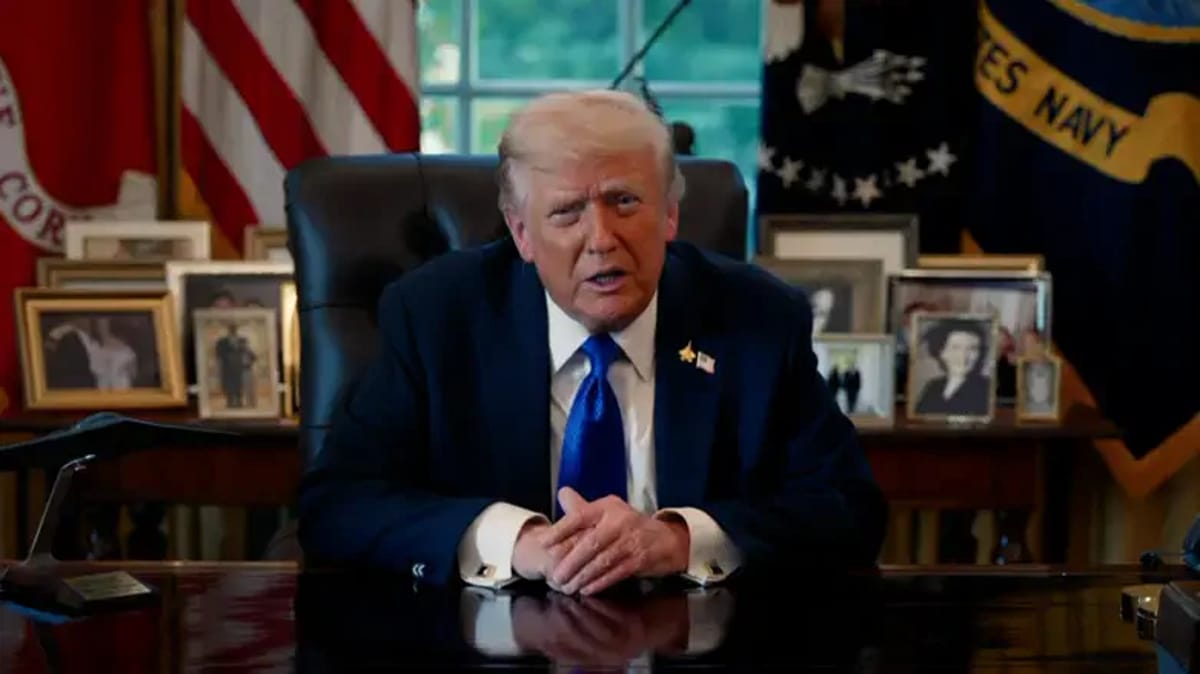
US President Donald Trump’s ambitious claim that Arab nations have pledged "tremendous amounts of money" for Gaza's estimated $70 billion reconstruction is facing significant resistance, with major Gulf donors demanding firm political guarantees before committing funds, Bloomberg reports.
Despite the collective endorsement of the peace plan, key regional players, Qatar, the United Arab Emirates (UAE), and Saudi Arabia are pushing back, signaling that the reconstruction effort will be contingent on major concessions regarding both the future of Gaza and Israel’s long-term compliance.
The Gulf’s Non-Negotiable Conditions
According to reporting by Bloomberg, convincing the Gulf states to release funds for the massive rebuilding effort, estimated by the United Nations, is proving difficult, as they prioritize "political clarity" over blank checks.
- UAE's Hard Line: A senior UAE official informed Bloomberg that Abu Dhabi demands three non-negotiable conditions before committing funds: Hamas’s full disarmament, its exclusion from governing Gaza, and a Palestinian Authority overhaul. An adviser, Anwar Gargash, also noted that the UAE is hesitant without "a longer term view" toward a "Palestinian state".
- Qatar Demands Israeli Compliance: Qatar, a pivotal mediator in the conflict, is focusing its leverage on Israel. Bloomberg learned that Doha wants concrete guarantees that Israel will implement its side of the peace deal before it commits any money.
- Saudi Arabia's Caution: Saudi Arabia, facing financial constraints and wary of past corruption, is expected to press Qatar and the UAE to shoulder the bulk of the funding. Ali Shihabi explained to Bloomberg that Riyadh "is allergic to writing blank checks," citing past aid abuses.