Iran’s foreign minister said the Strait of Hormuz remains open to most international shipping, insisting that only US and Israeli vessels are barred from passing through the strategic waterway.
Foreign Minister Abbas Araghchi said in an interview that other ships are still able to transit the strait, though many are avoiding the area due to security concerns.
“There are many tankers and ships passing through the Strait of Hormuz,” Araghchi said, adding that current disruptions were not caused by Iranian restrictions.
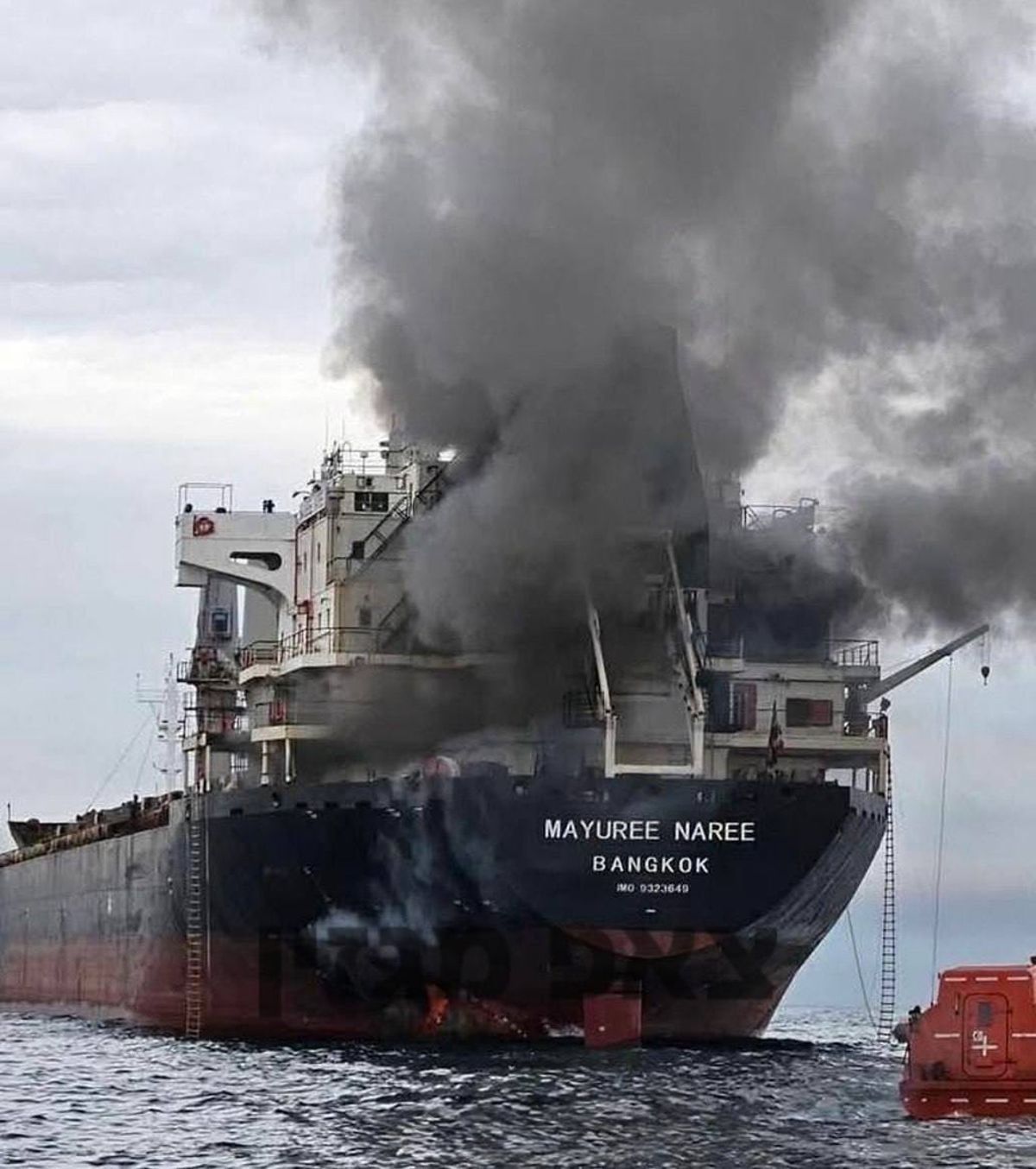
However, several recent incidents have raised concerns about safety in the waterway. Among them was an attack on the Thai-flagged cargo ship Mayuree Naree, which was struck in the Strait and caught fire, highlighting the growing risks to civilian shipping during the conflict.
Araghchi’s comments came after US President Donald Trump said the United States and several partner nations may deploy warships to ensure the strait remains open and secure.
The Strait of Hormuz is one of the world’s most important oil transit routes, carrying roughly a fifth of global crude shipments.
Araghchi also rejected claims that Iran’s new supreme leader, Mojtaba Khamenei, had been seriously wounded during the conflict.
“There is no problem with the supreme leader,” he said, adding that the Iranian government remains stable and that “everything is under control.”
The foreign minister also dismissed reports about tensions during recent negotiations with US envoys, saying comments he made about Iran’s uranium stockpile had been misunderstood.