Maximum Pressure

Trump's Chilling AI Image Sends Unmistakable Message to Iran

President shares AI-generated photo showing him armed, with military strikes in background • Declares Tehran 'doesn't know how to sign nuclear deal' | Diplomatic window appears to be closing (World News)

Trump's Chilling AI Image Sends Unmistakable Message to Iran

President Donald Trump escalated his rhetoric against Iran on Wednesday morning, posting a striking AI-generated image of himself on his social media platform that left little to the imagination about his current mindset toward Tehran.

The post, which quickly went viral, featured an artificially created photograph showing the President dressed in a black suit, holding a long-range weapon, and wearing dark sunglasses. Behind him, explosions illuminate what appear to be military installations under bombardment. Across the top of the image, a caption reads: "No Longer a Nice Guy."
Accompanying the dramatic visual, Trump wrote: "Iran is failing to get its act together. They don't know how to sign a nuclear prevention agreement. They better be smart very quickly."

The post represents a significant hardening of the President's public stance toward the Islamic Republic, coming amid reports that Trump has instructed his advisors to maintain the naval blockade on Iran as a form of economic strangulation.

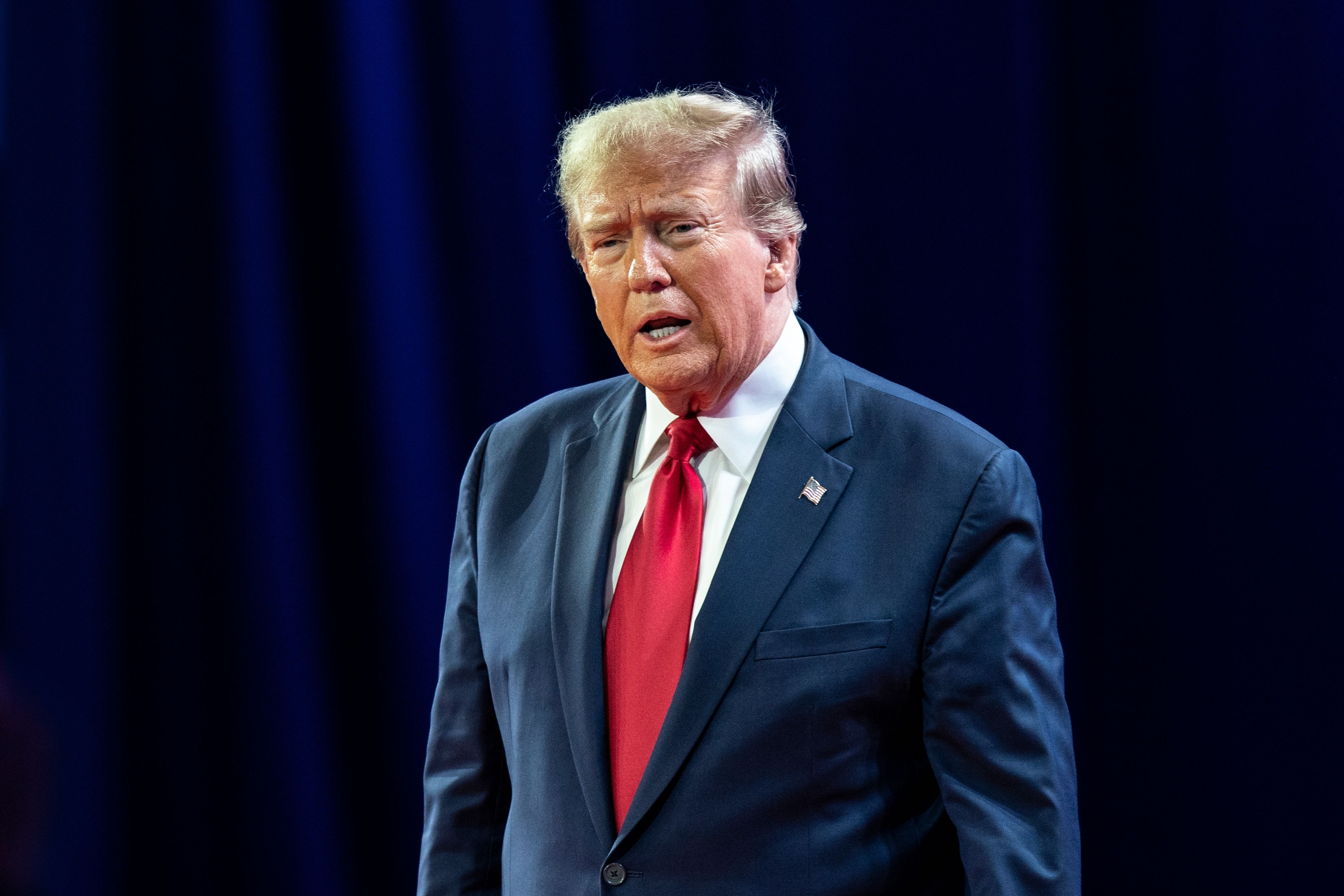
President Donald Trump
President Donald Trump (Photo: lev radin / Shutterstock)

Diplomatic Efforts Stall

The threatening message comes as nuclear negotiations between Washington and Tehran have reached an apparent impasse. According to the Wall Street Journal, the Trump administration views the continued naval blockade as the least dangerous option among three alternatives: a return to large-scale military action or a complete American withdrawal from the confrontation.

The core sticking point remains the American demand that Iran suspend uranium enrichment for a minimum of 20 years. Sources in Washington emphasized that the President remains unwilling to compromise on this requirement, despite recent Iranian proposals to begin negotiations regarding the Strait of Hormuz before addressing nuclear concerns.

Iran reportedly requested several additional days for internal consultations with senior leadership in Tehran to formulate a unified stance. However, U.S. officials assess that profound internal dysfunction within Iran's leadership structure is hampering any coherent diplomatic response.

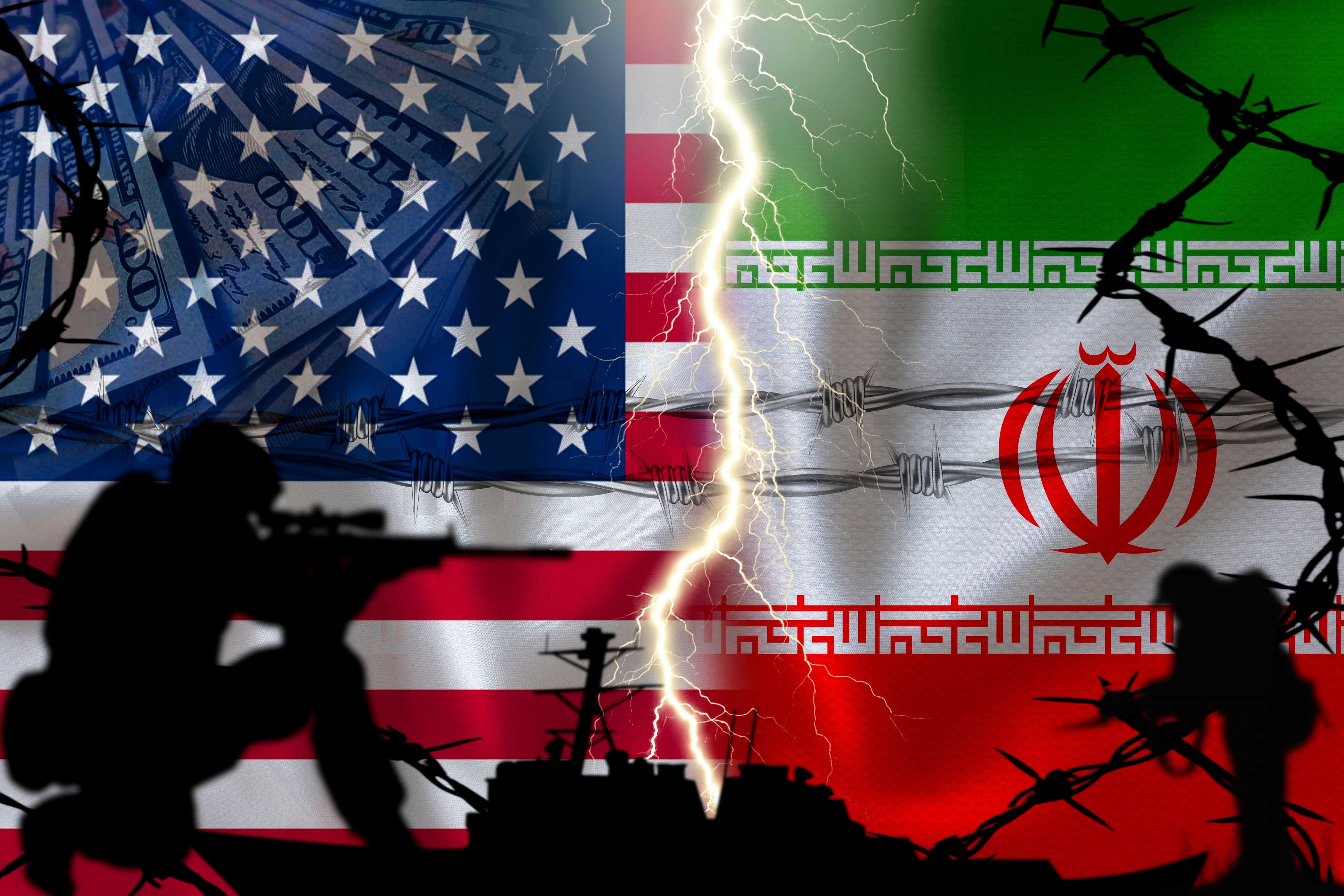
USA vs Iran (war)
USA vs Iran (war) (Photo: Shutterstock)

A Fractured Iranian Leadership

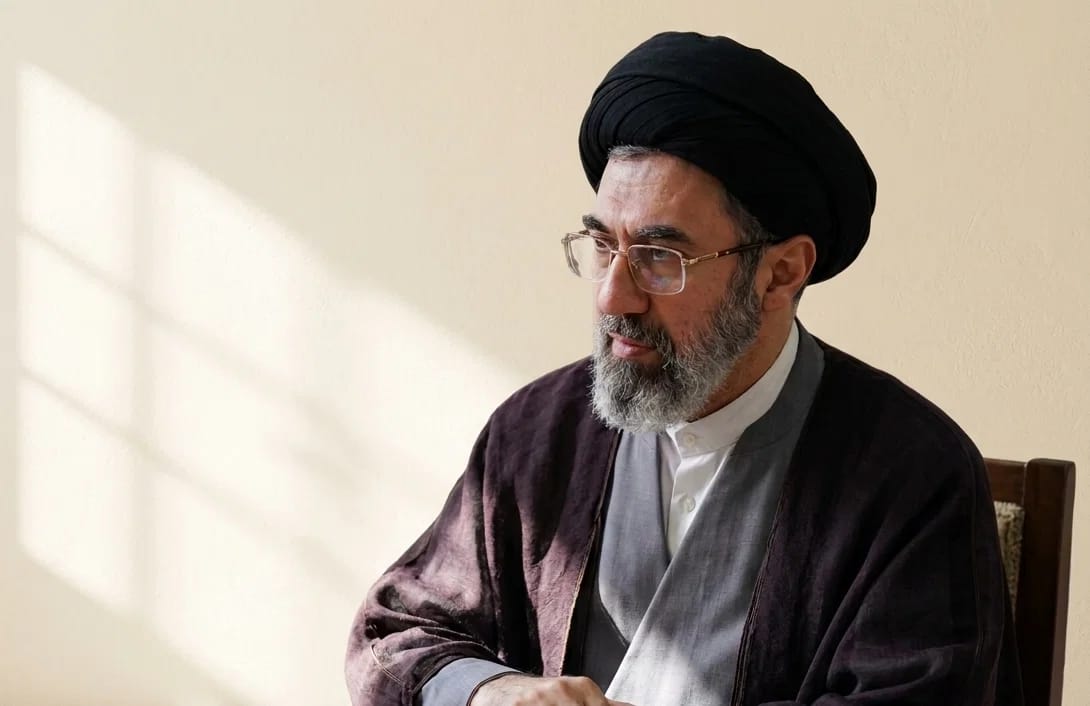
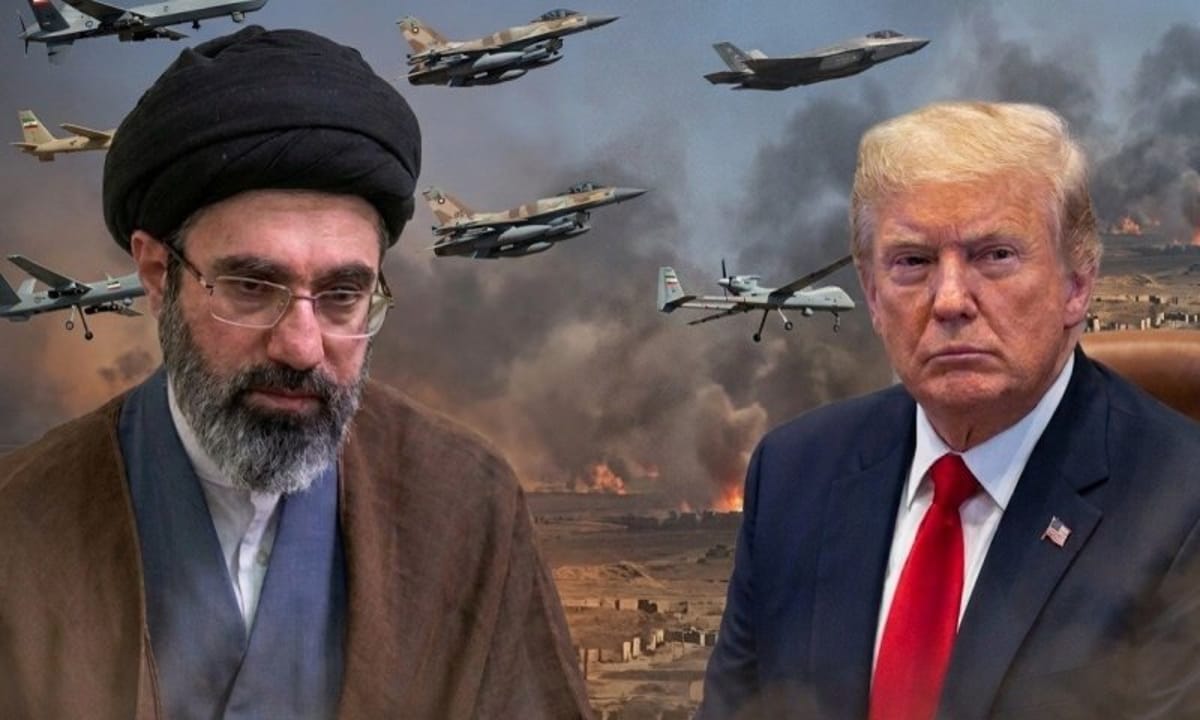
The diplomatic challenges are compounded by what appears to be a fundamental shift in Iran's power structure. Following the death of Supreme Leader Ali Khamenei and the severe injury of his intended successor, his son Mojtaba Khamenei, power has effectively transitioned to military commanders and security branches.

According to a comprehensive Reuters report, the religious establishment has been sidelined from strategic decision-making. Mojtaba Khamenei, while nominally the successor, has not appeared in public since his father's death and communicates solely through recorded audio messages. Sources involved in internal discussions describe him as a figure used primarily to provide "religious legitimacy" to decisions actually made by generals.

Mojtaba Khamenei
Mojtaba Khamenei

Economic Pressure Mounts

The naval blockade strategy represents what administration officials view as a "middle-ground" approach between full-scale military engagement and diplomatic retreat. The blockade is designed to exert maximum economic pressure on Tehran, effectively choking the Iranian economy while avoiding immediate military strikes.

The President's AI-generated image, with its unmistakable martial imagery, signals that patience in Washington is wearing thin. The visual message, a president armed and ready, with military targets already under attack, leaves little doubt about the potential consequences if Iran continues to delay meaningful nuclear concessions.

As the diplomatic window appears to narrow, the question remains whether Tehran's fractured leadership can coalesce around a response that meets American demands before the President's patience runs out entirely.

Ready for more?

Join our newsletter to receive updates on new articles and exclusive content.

We respect your privacy and will never share your information.