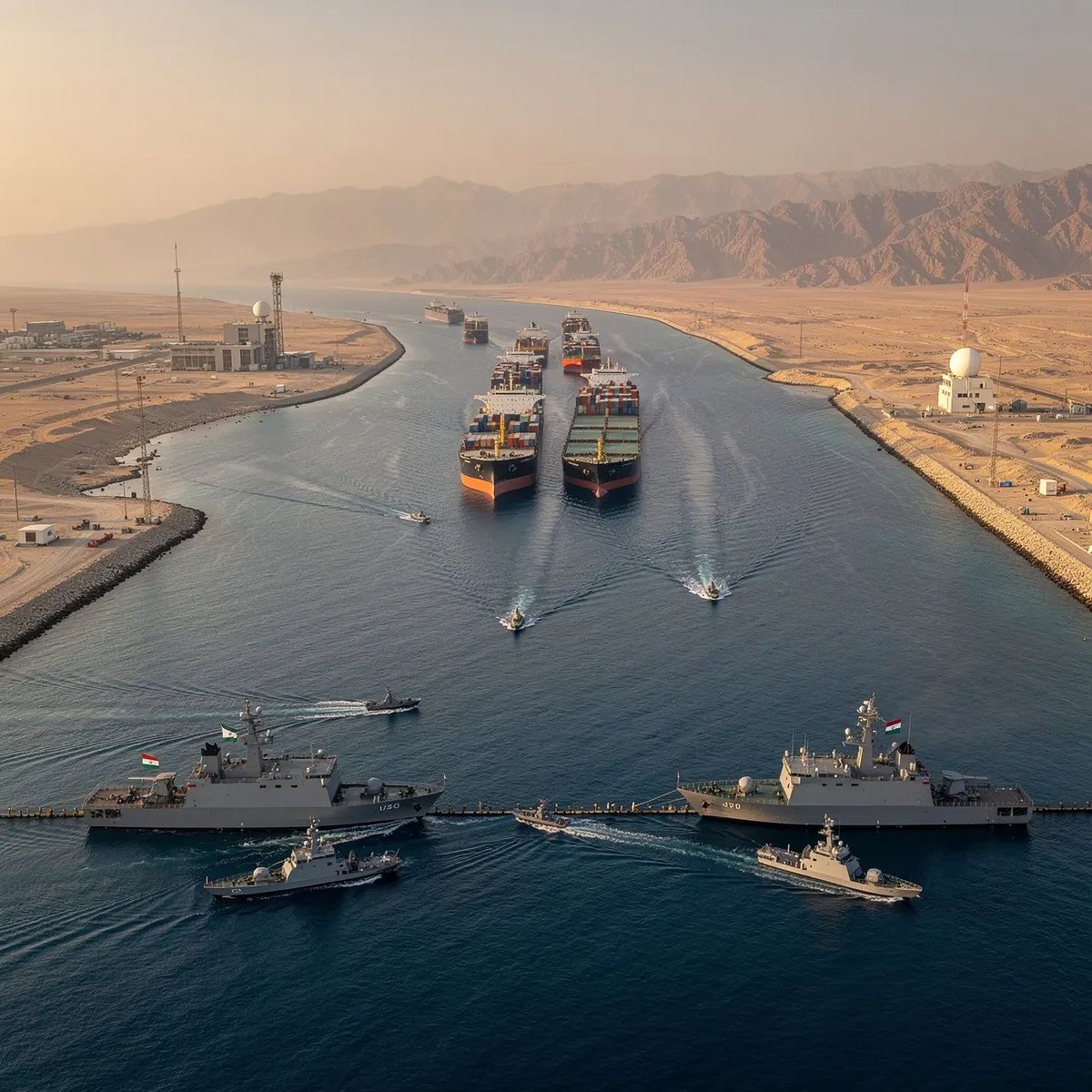
President Donald Trump has instructed his advisors to maintain the naval blockade on Iran, a move intended to exert maximum pressure on Tehran and effectively choke the Iranian economy.
According to the Wall Street Journal, the administration views the continued blockade as the least dangerous option among three current alternatives: a return to large-scale warfare or a complete American withdrawal from the confrontation.
The core of the diplomatic impasse remains the American demand that Iran suspend uranium enrichment for a minimum of 20 years. Sources in Washington emphasize that the President is unwilling to compromise on this requirement, despite a recent Iranian proposal to begin negotiations regarding the Strait of Hormuz before addressing nuclear concerns.
A Fractured Leadership in Tehran
Iran reportedly sent a message to Washington requesting several more days for internal consultations with the senior leadership in Tehran to formulate a unified stance. U.S.
officials assess that there is significant difficulty in identifying who within the Iranian hierarchy currently holds the authority to make binding decisions, as internal divisions continue to stall progress.
Commenting on the Iranian proposal, President Trump claimed that Tehran is in a "state of collapse" and is seeking to reopen the Strait of Hormuz as quickly as possible. However, the President did not specify how or through whom this message was delivered, leading to skepticism regarding the transparency of the back-channel communication.
Pressure Without Concessions
For now, the administration is committed to its "maximum pressure" policy, avoiding immediate military escalation while refusing to grant Iran any economic or political relief without a significant commitment on the nuclear front. For Washington, reopening the Strait of Hormuz is insufficient as long as Tehran refuses to halt its enrichment program.
As it stands, negotiations with Iran remain deadlocked. With both sides dug into their positions and Tehran’s leadership paralyzed by internal debate, the probability of a return to active combat increases with every day that passes without a diplomatic breakthrough.