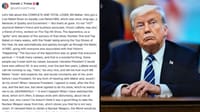
President Donald Trump has rejected a new proposal from Tehran, with a senior American official confirming overnight that the Iranian offer fails to adequately address the nuclear issue at the heart of the escalating confrontation between the two nations.
U.S.-Iran Standoff Intensifies
Trump Dismisses Iranian Offer Over Nuclear Omission
Senior U.S. official confirms President unhappy with Tehran's proposal • Emergency meeting in Iran warns economy could collapse within weeks | Diplomatic channels freeze as tensions escalate (World News)
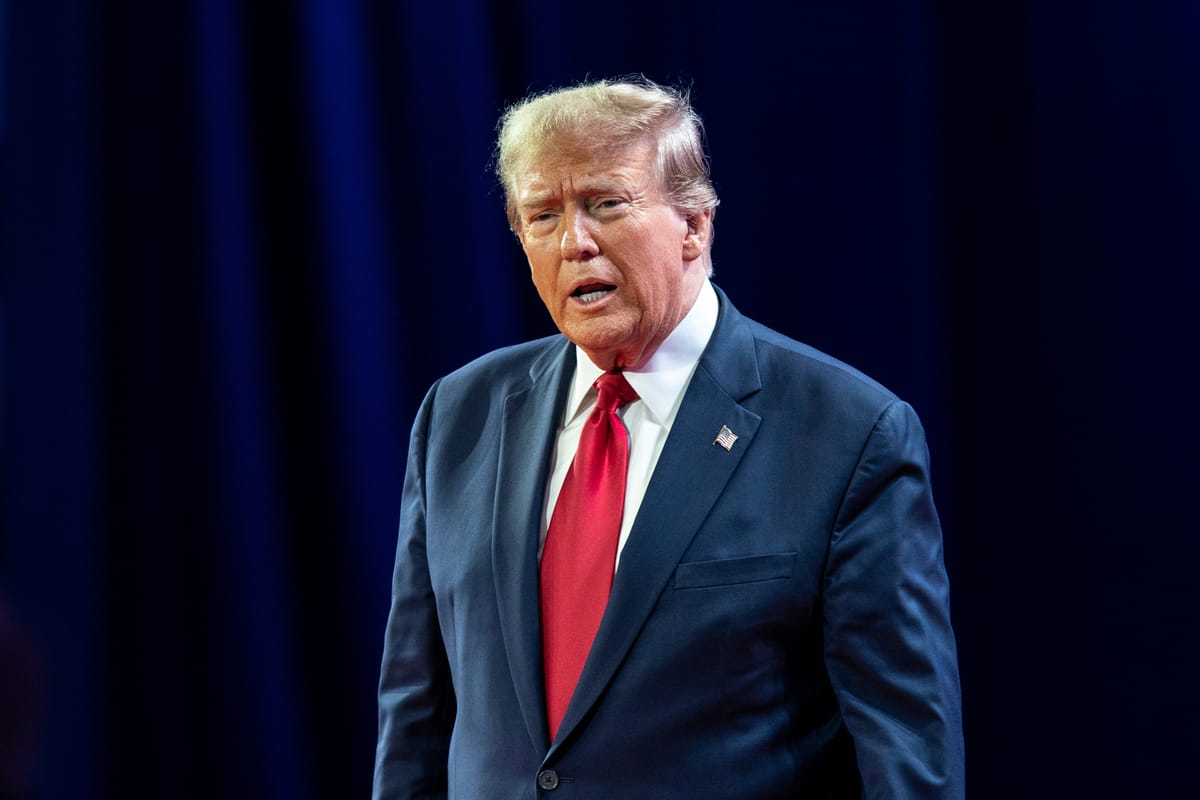
The development follows President Trump's dramatic decision over the weekend to cancel a planned diplomatic mission to Islamabad. Senior envoys Steve Witkoff and Jared Kushner were scheduled to meet with Iranian Foreign Minister Abbas Araghchi in Pakistan as part of ongoing efforts to reach a nuclear agreement. However, Trump abruptly called off the trip, stating on Truth Social: "I just canceled my representatives' trip to Islamabad to meet with the Iranians. Too much time wasted on travel, too much work."
The President pointed to what he characterized as profound internal dysfunction within Tehran's leadership structure. "There are tremendous internal struggles and confusion within their 'leadership,' nobody knows who is in charge, including themselves," Trump stated, suggesting that the regime's internal disarray has complicated diplomatic engagement.
Emergency Session in Tehran: Economic Collapse Warning
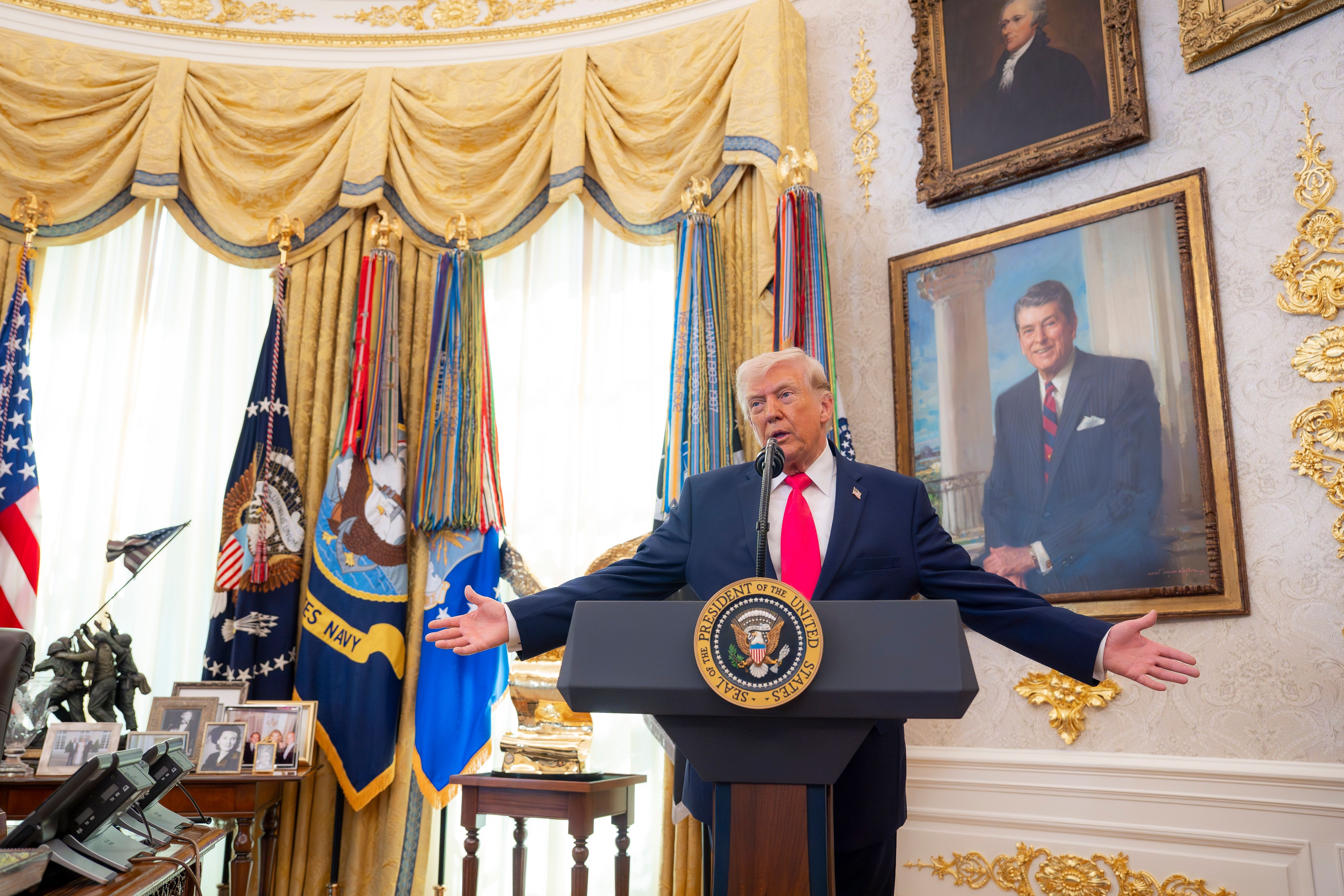
Meanwhile, the opposition outlet Iran International reported that Iran's Supreme National Security Council convened an emergency session led by Secretary Mohammad-Baqer Zolfaghadr. The meeting focused on growing concerns about potential mass protests erupting across the country in the coming days, driven by severe economic deterioration.
According to intelligence presented during the session, Iranian security officials warned that the nation's economy cannot withstand more than six to eight weeks of the American naval blockade that commenced on April 13. The assessment painted a dire picture of widespread job losses resulting from the closure of major industrial facilities in the petroleum, petrochemical, and steel sectors.
The economic pressure has created what Iranian officials fear could be a trigger for widespread civil unrest. Rising prices, unemployment, and the near-total shutdown of key production centers have left the regime vulnerable to public anger. Security agencies expressed particular concern about calls for protests from exiled Crown Prince Reza Pahlavi and the possibility that his supporters might take to the streets.
Naval Blockade Takes Heavy Toll
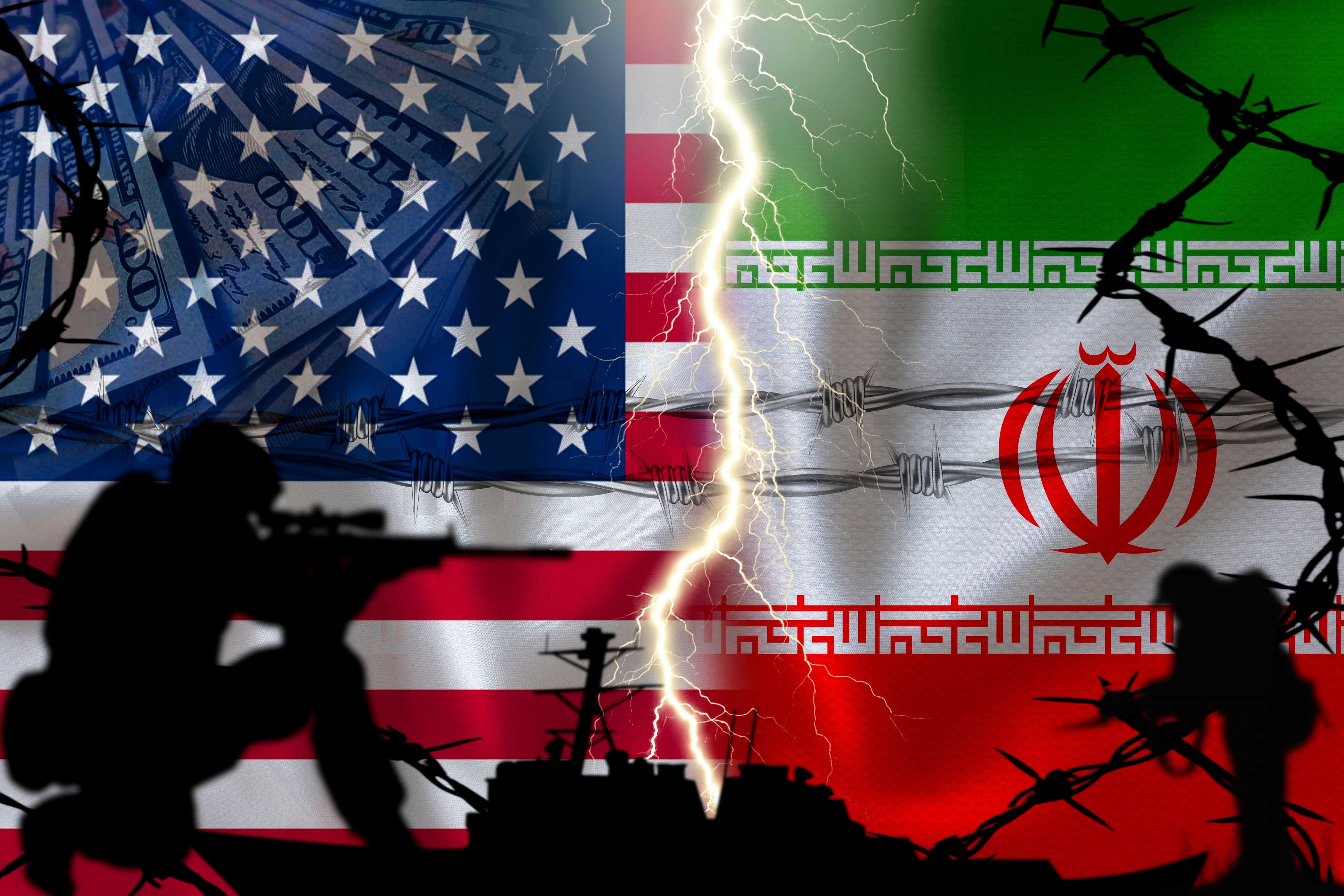
U.S. Treasury Secretary Scott Bessent claimed overnight that Iran has begun shutting down some of its oil wells as a direct consequence of the maritime blockade in the Strait of Hormuz. If confirmed, this development would represent a significant escalation in the economic warfare between Washington and Tehran, indicating that the pressure campaign is achieving its intended effect of crippling Iran's primary revenue source.
The naval blockade, which has now entered its second week, is estimated to be costing Iran approximately $435 million per day, totaling nearly $13 billion monthly, according to research from the Foundation for Defense of Democracies. With roughly 90 percent of Iranian oil exports blocked, the regime faces mounting pressure to find a diplomatic solution.

White House: 'Red Lines Made Very Clear'
White House press secretary Karoline Leavitt confirmed Monday evening that President Trump met with his national security team to review the Iranian proposal. While declining to provide specific details about the administration's response, Leavitt emphasized that the President's position remains unambiguous.
"The President's red lines regarding Iran have been made very, very clear," Leavitt stated during a press briefing. She indicated that the American public would hear directly from President Trump about the administration's next steps "very soon."