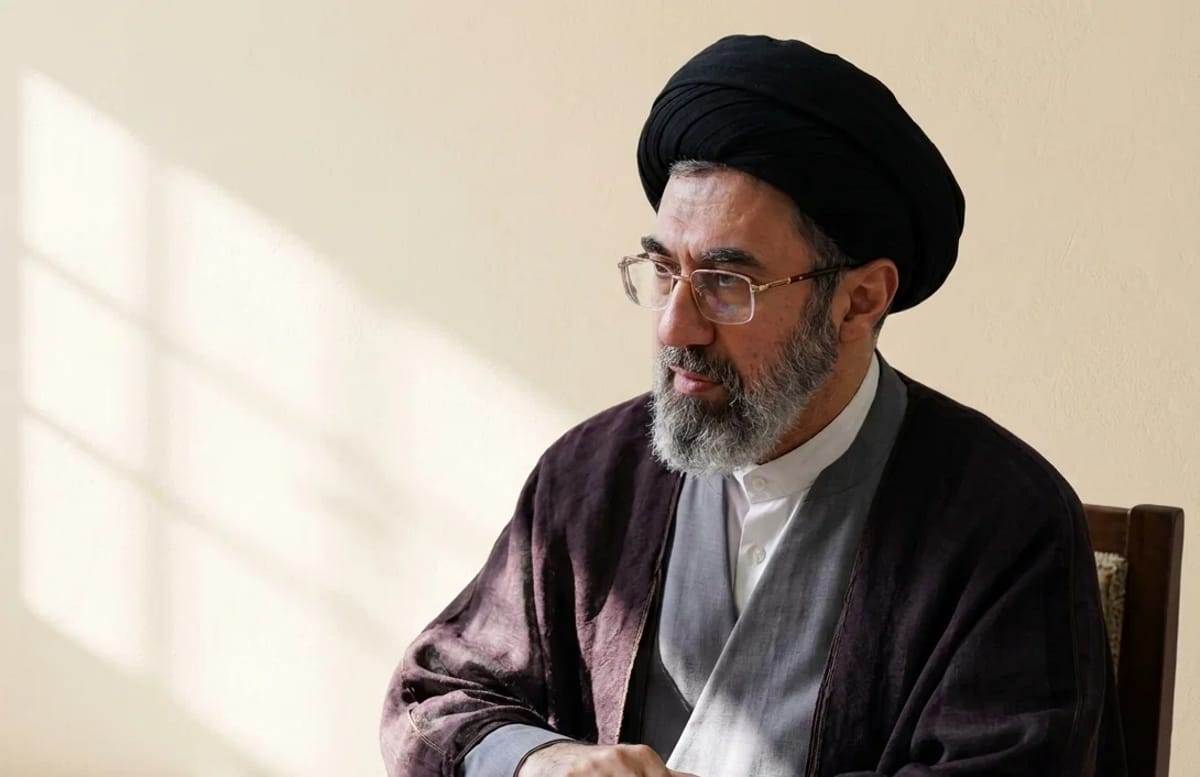
A fundamental shift in the leadership of the Islamic Republic is underway. According to a comprehensive report by Reuters, Iran has transitioned to direct management by military commanders and security branches, effectively sidelining the religious establishment from strategic decision-making.
This structural upheaval follows the death of Supreme Leader Ali Khamenei at the onset of the conflict and the reported severe injury of his intended successor, his son Mojtaba Khamenei.
A Figurehead Leader
While Mojtaba Khamenei remains the nominal successor, the report indicates he no longer serves as the final arbiter of state policy. Due to his injuries and extreme security protocols, the new leader has not appeared in public since his father’s death, communicating solely through recorded audio messages.
Sources involved in internal discussions describe Mojtaba as a figure used primarily to provide "religious legitimacy" to decisions actually made by generals. "He is a figure of consensus, not of command," noted officials close to the ruling circles.
The Rise of the Generals
The center of gravity has officially moved to the Supreme National Security Council and the Commander of the Revolutionary Guard (IRGC), Ahmad Vahidi, who is now identified as the central figure managing the national campaign.
Aaron David Miller, a former U.S. negotiator, characterized the situation as a transition "from divine power to hard power." He noted, "We have moved from the influence of the clergy to the influence of the IRGC. This is how Iran is governed now."
Diplomatic Paralysis
This structural change is directly impacting diplomatic efforts to end the hostilities. Officials in Pakistan, acting as mediators between Tehran and Washington, have reported significant delays in Iranian decision-making due to the lack of a unified command structure.
"It sometimes takes them two to three days to respond," Pakistani officials stated, highlighting the vacuum left by a single, ultimate decider.
Stalled Negotiations
On the diplomatic front, Iran has submitted a new proposal to Washington involving a phased dialogue. However, the IRGC-led leadership insists on separating the nuclear issue, leaving it for the end of the process.
Experts, including Alan Eyre, suggest that the IRGC is hesitant to show any diplomatic flexibility, fearing it would be perceived as "weakness" or surrender to Western pressure. Meanwhile, U.S. President Donald Trump has commented on the internal chaos via social media, stating that Iran needs to "get its house in order," comparing the current leadership vacuum to the state of Gaza following the elimination of Hamas's top command.