Oil prices surged above $100 per barrel at one point after several new attacks on commercial shipping in the Gulf raised concerns about disruptions to global energy supplies.
The price increase came despite an agreement by 32 countries to release about 400 million barrels of oil from strategic reserves in an effort to calm markets. The coordinated release is the largest of its kind, but traders say fears about the security of Middle Eastern shipping routes continue to drive volatility.
Overnight, three additional civilian vessels were reportedly struck in separate incidents in the Gulf.
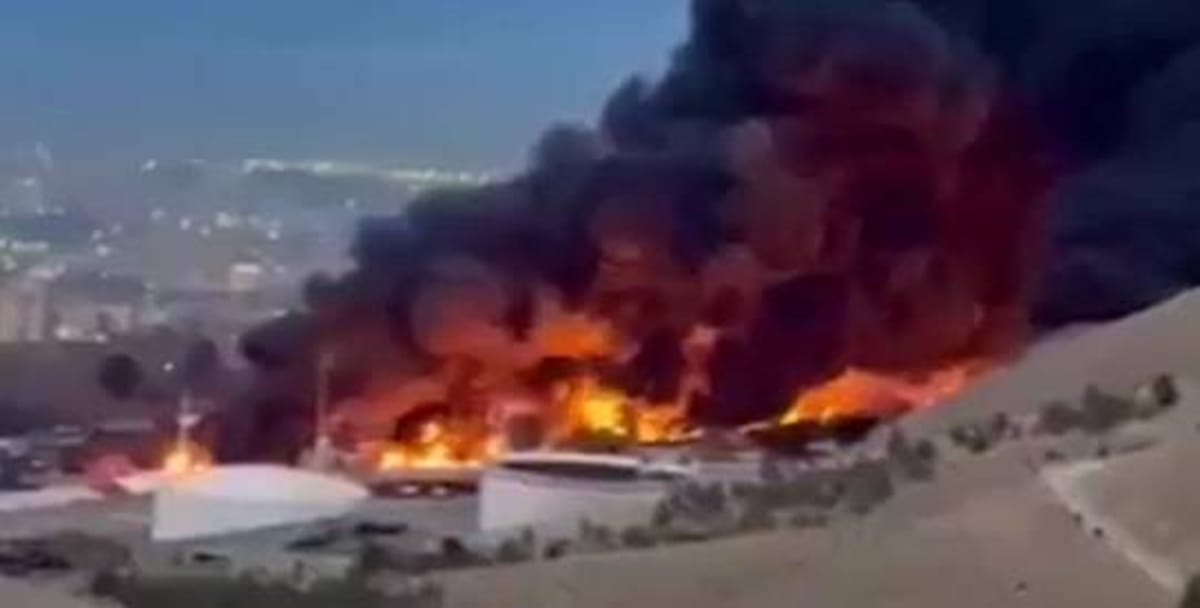
According to maritime monitoring authorities, two oil tankers were hit by what was described as an “unknown projectile” roughly five nautical miles off the coast of Iraq in the northern Gulf. Both ships caught fire after the impact, and their crews were evacuated. Iraqi officials said 38 crew members were rescued, though one person was reported dead.
In a separate incident several hours later, a container ship was struck by another projectile about 35 nautical miles off the coast of the United Arab Emirates near the Strait of Hormuz. The vessel suffered a small fire but all crew members were reported safe.
The cause of the attacks remains under investigation.
The incidents come amid heightened tensions across the region as the war involving Iran continues to affect shipping routes and energy infrastructure.
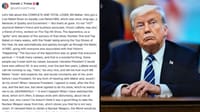
U.S. President Donald Trump said he expects oil prices to fall despite the recent spike.
“It’s going to come down more than anybody understands,” Trump said while speaking to supporters in Kentucky. He also pointed to the coordinated release of oil reserves as a measure that could help stabilize markets.
Energy markets have seen sharp swings since the conflict began, with prices briefly approaching $120 earlier in the week before easing slightly.
The fighting has also continued across the region. Israeli strikes in Lebanon reportedly killed several people, including at least eight in Beirut’s seafront district, while Iranian attacks have been reported in Bahrain and Oman.