Ingenious solution

Steel Umbrellas: IDF Deploys ‘Cope Nets’ in Lebanon to Stop Hezbollah’s FPV Drones | WATCH

The high-tech IDF is turning to a gritty, battlefield-proven solution from the trenches of Ukraine. As Hezbollah’s cheap "suicide drones" become a primary threat, Israeli armor is now sporting overhead cages designed to stop FPV drones in their tracks.

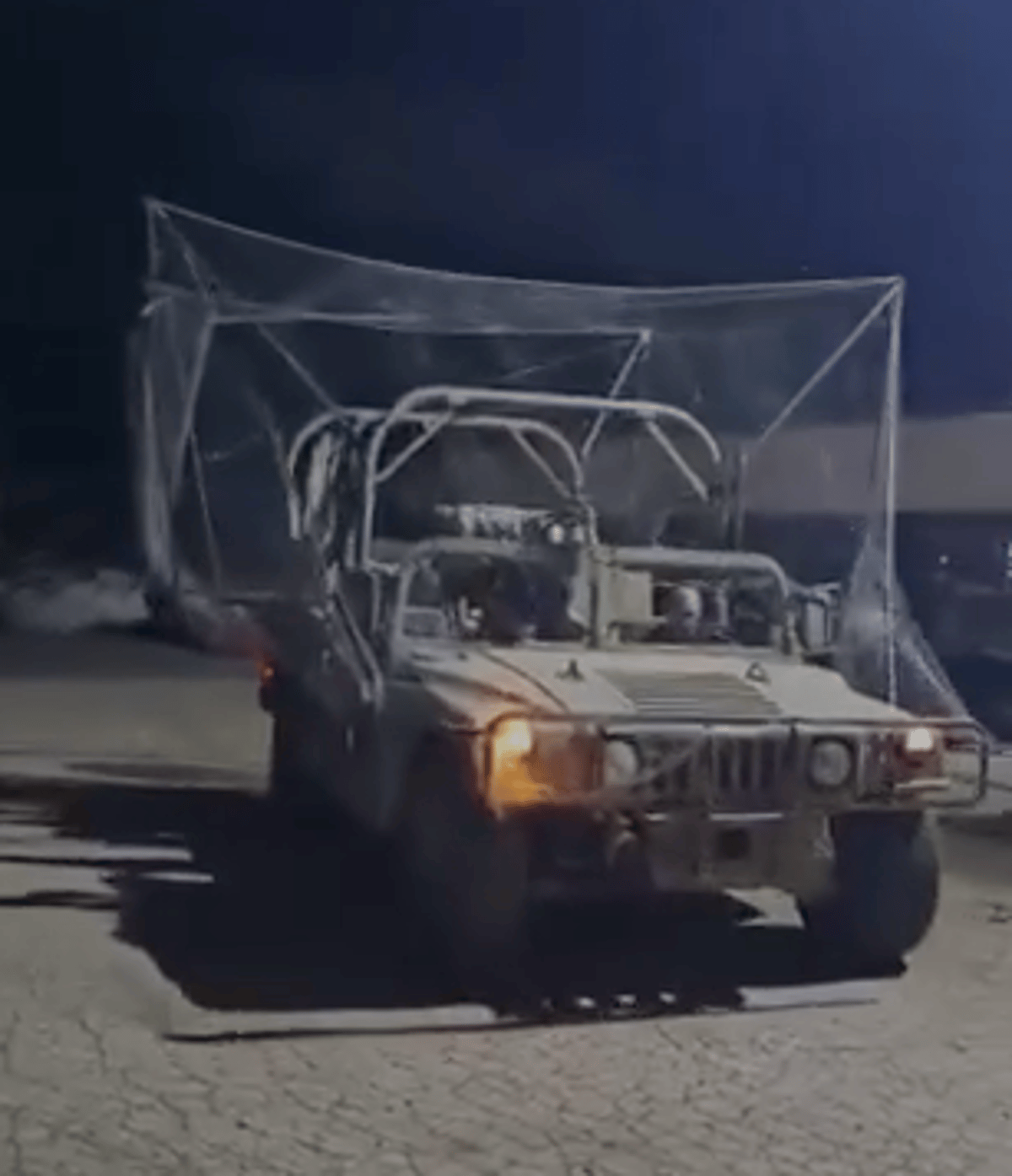
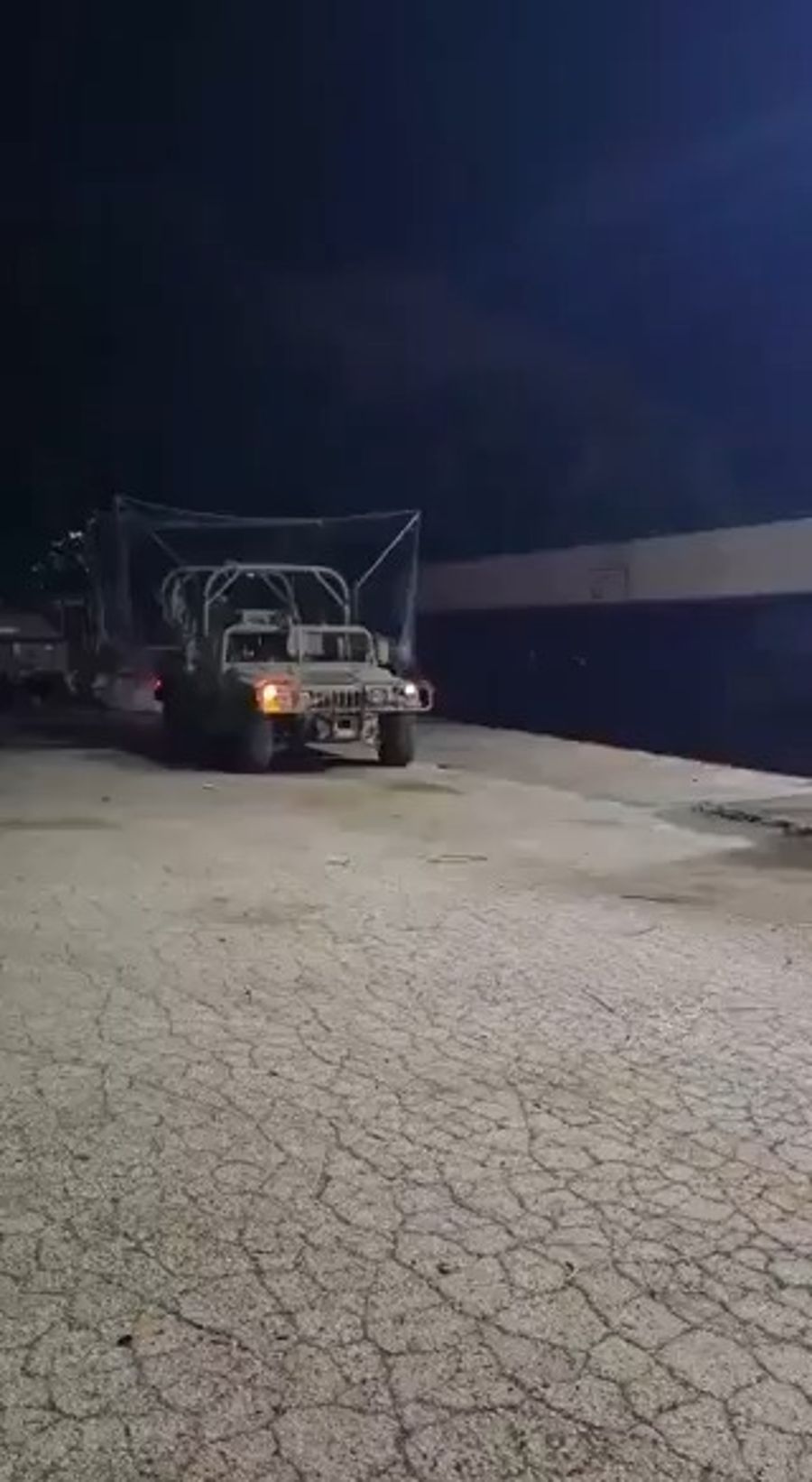
IDF vehicle fitted with 'cope net'

The IDF have begun fitting military vehicles operating in southern Lebanon with overhead protective netting designed to intercept and detonate first-person-view (FPV) drones before they reach their targets, adopting a battlefield adaptation that has become a defining feature of the war in Ukraine.

The move reflects the growing threat posed by cheap, agile FPV drones, which have emerged as one of the most effective and low-cost anti-armor weapons of modern warfare. Costing as little as a few hundred dollars, FPV drones have been used extensively by Hezbollah to target IDF armored vehicles and personnel along the Lebanese border.

The Ukrainian Precedent

The concept is not new. In Ukraine, both Russian and Ukrainian forces have welded improvised metal cage structures, dubbed "cope cages" or "cope nets" by soldiers and observers, onto tanks and armored vehicles to trigger drone warheads prematurely, before impact.

The tactic has since evolved beyond the battlefield: the Ukrainian city of Izium has gone a step further, stretching anti-drone netting across entire streets to shield civilians from FPV attacks in populated areas, a measure that illustrates how the drone threat has moved from the front line into daily civilian life.

Israel's adoption of similar protection in Lebanon signals that the IDF is treating the FPV drone threat with the same seriousness that ground forces in Ukraine learned to, often at great cost.

A New Layer of the Drone War

FPV drones are particularly difficult to counter with traditional electronic warfare alone. Their speed, maneuverability, and low radar signature make them hard to detect and intercept in time. Physical barriers, crude as they may appear, have proven to be one of the more reliable stopgap solutions while more sophisticated countermeasures are developed.

The IDF has not officially commented on the scope of the cope net deployment, but their appearance on vehicles in southern Lebanon marks another chapter in the rapid evolution of drone warfare, one that is reshaping military tactics from Eastern Europe to the Middle East.

Ready for more?

Join our newsletter to receive updates on new articles and exclusive content.

We respect your privacy and will never share your information.