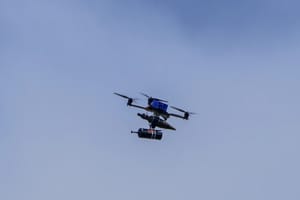
Growing online debate
IDF Tells Public There Is No Drone Equipment Shortage. So Why Are Soldiers Begging Fishermen for Nets?
•news-israel


Comprehensive coverage of First-Person View drone technology, including military applications, civilian uses, and technological advancements in unmanned aerial systems
First-Person View (FPV) drones represent a revolutionary category of unmanned aerial vehicles that provide operators with a real-time video feed from the aircraft's perspective, creating an immersive piloting experience. These drones utilize onboard cameras and wireless transmission systems to stream live video to goggles or monitors worn by the operator, enabling precise navigation and control as if the pilot were sitting in the cockpit. FPV technology has transformed both recreational drone flying and professional applications, offering unprecedented maneuverability and situational awareness across diverse operational environments.
The military adoption of FPV drones has accelerated dramatically in recent years, particularly in modern conflict zones where these systems have proven highly effective for reconnaissance, surveillance, and tactical operations. Armed forces worldwide have recognized the strategic advantages of FPV drones, including their low cost, ease of deployment, and ability to operate in contested environments where traditional aircraft face significant risks. These unmanned systems can be rapidly deployed by small units, providing real-time intelligence and strike capabilities that were previously unavailable at the tactical level.
Commercial FPV drone technology has evolved significantly from its origins in the hobbyist racing community, where pilots compete in high-speed courses while wearing video goggles. Modern FPV systems incorporate advanced features such as high-definition video transmission, GPS navigation, obstacle avoidance sensors, and extended flight times through improved battery technology. The racing and freestyle flying communities have driven innovation in FPV hardware and software, creating a robust ecosystem of manufacturers, component suppliers, and training resources.
The technical components of FPV systems include specialized cameras optimized for low-latency video transmission, radio frequency transmitters operating on various frequency bands, receiver equipment, and display devices ranging from compact monitors to immersive goggles. Flight controllers specifically designed for FPV applications provide stabilization and control inputs, while telemetry systems relay critical flight data including battery voltage, signal strength, and GPS coordinates. The integration of these components requires technical expertise, though ready-to-fly FPV drones have made the technology more accessible to newcomers.
Regulatory frameworks governing FPV drone operations vary significantly across jurisdictions, with aviation authorities establishing rules regarding flight altitude limits, line-of-sight requirements, frequency allocations, and pilot certification. Many countries require FPV operators to maintain visual observers who can see the aircraft directly, while others permit beyond-visual-line-of-sight operations under specific conditions. The rapid proliferation of FPV technology has prompted ongoing discussions about privacy concerns, airspace safety, and the need for standardized operating procedures.
Industrial applications of FPV drones continue to expand across sectors including infrastructure inspection, search and rescue operations, agricultural monitoring, and cinematography. The immersive perspective provided by FPV systems enables operators to navigate complex environments such as building interiors, industrial facilities, and difficult terrain with greater precision than traditional drone piloting methods. Professional FPV pilots have developed specialized skills for capturing dynamic footage and conducting detailed inspections in challenging conditions.
The future development of FPV drone technology points toward enhanced autonomy, improved artificial intelligence integration, longer range capabilities, and more sophisticated sensor packages. Emerging technologies such as 5G connectivity, advanced computer vision, and swarm coordination algorithms promise to expand the operational envelope of FPV systems. As the technology matures, the distinction between FPV drones and other unmanned aerial platforms may blur, with hybrid systems incorporating the best features of multiple approaches to aerial operations.

Ukraine runs 22,000 robot combat missions a month. Israel built the technology the world buys. So why are Israeli soldiers still dying on foot in Lebanon?
Growing online debate

Sitting ducks
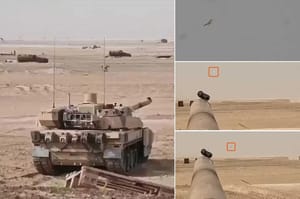
Last resort

Southern Lebanon

Ceasefire teeters
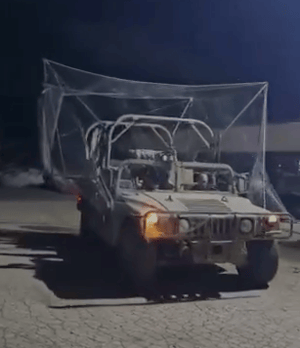
Ingenious solution
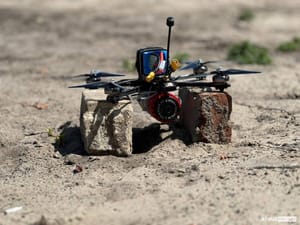
Game-Changing Tech