"A Continuous State of Emergency"
The Director General addressed the industry heads with a sharp message: "Your mobilization alongside the IDF and the defense establishment is highly impressive. In accordance with Defense Minister Israel Katz's directive, we are in a continuous state of emergency and in a race to strengthen immediate readiness and fortify the manufacturing independence of the State of Israel for the long term."
Baram emphasized: "We must continue accelerating production at full strength, as part of the drive for maximum munitions independence in weaponry and critical components, which is central to the Ministry of Defense's strategy."
Budgetary Battles with the Treasury
The Director General also addressed sensitive economic issues, noting that the Ministry of Defense is working in every way to reduce debts to the industries caused by the Finance Ministry's policy of under-budgeting the defense establishment. His comments reflect the ongoing tension between urgent security needs and budgetary constraints.
In recent months, massive deals have been signed with defense industries, including multi-year orders for aerial munitions from Elbit exceeding 600 million NIS, part of the effort to ensure supply continuity without dependence on external factors.
Farewell to Tomer’s Outgoing CEO
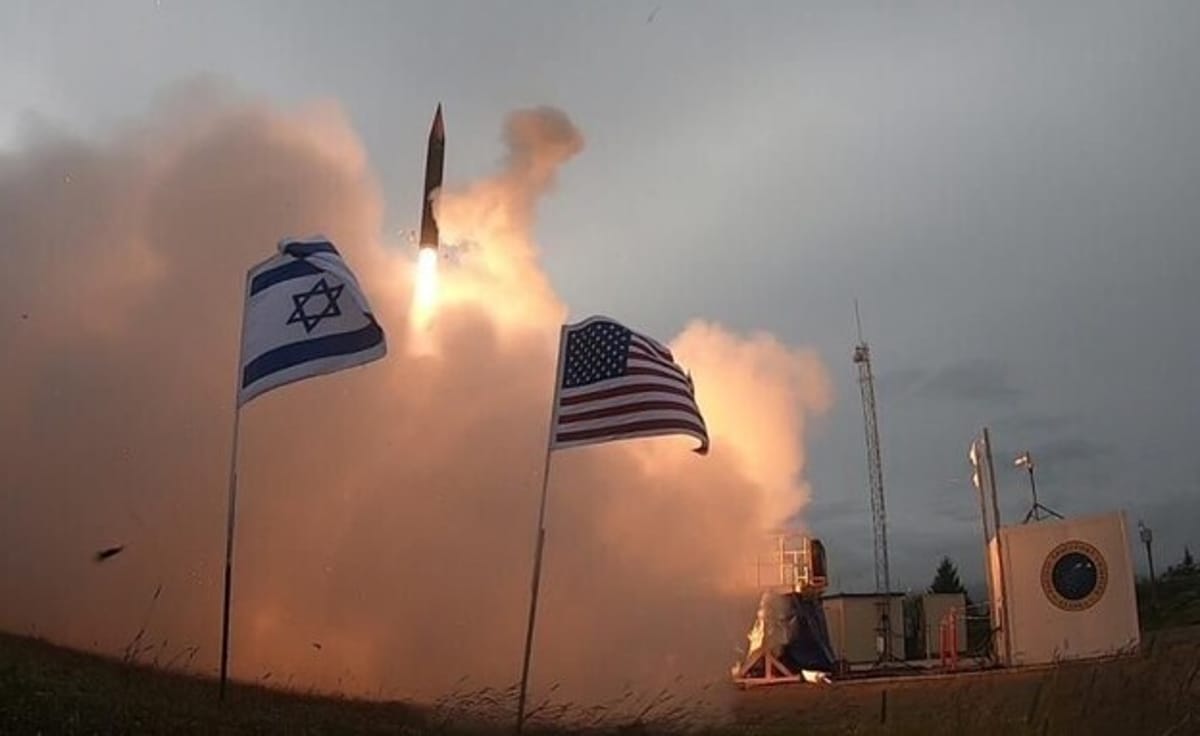
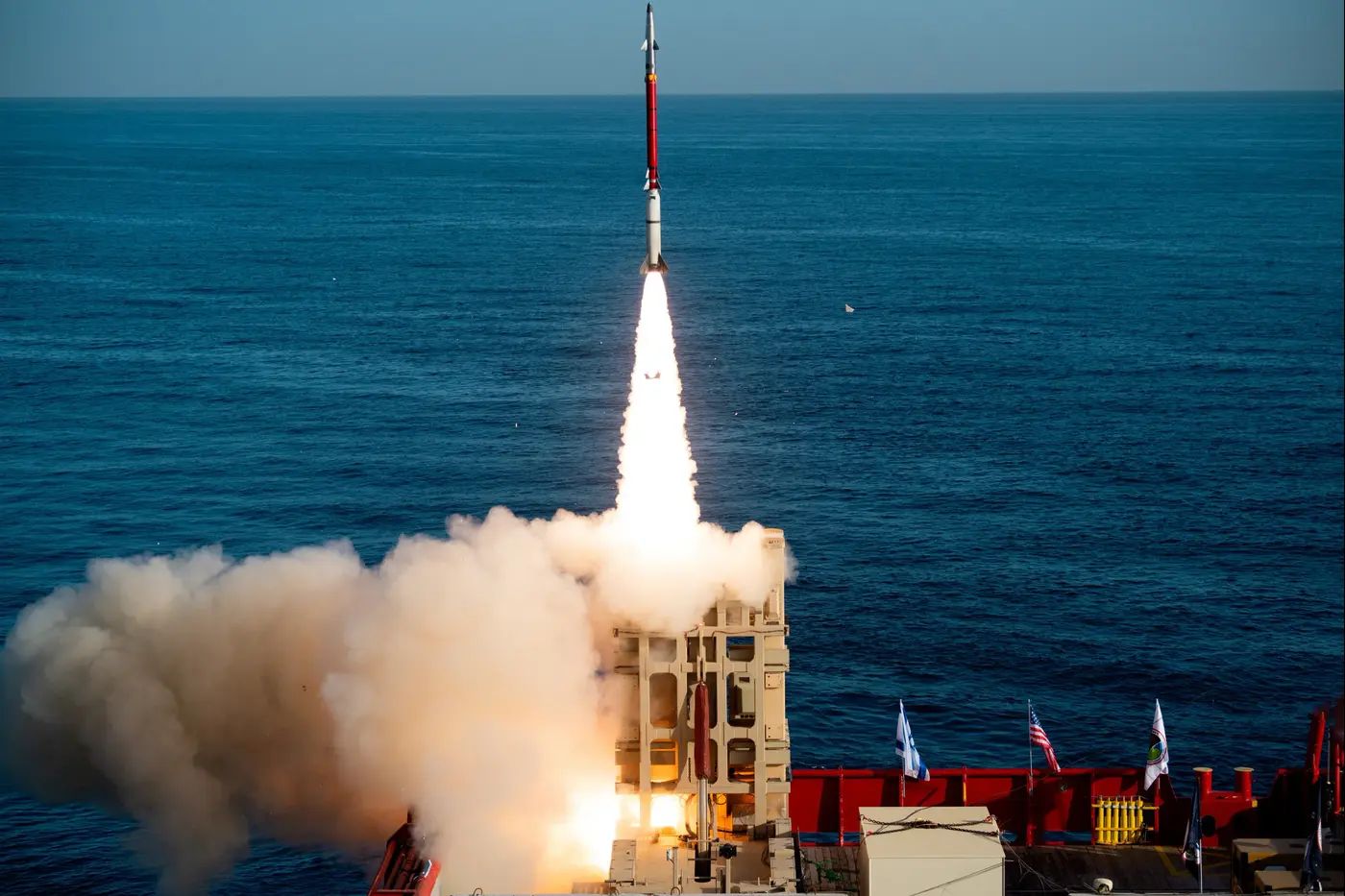
During the forum, the Director General bid farewell to the outgoing CEO of Tomer, Mordechai (Mordy) Ben-Ami, who founded and led the company over the last decade. Ben-Ami is succeeded by Dotan Gabai, who enters the role during a critical period of accelerating the production of Arrow interceptors.
The Director General thanked Ben-Ami for 40 years of service in significant roles within the defense establishment and for his contribution over the past year as CEO of Tomer in the Ministry-led effort to dramatically accelerate the production
In a high-level summit held today, Ministry of Defense Director General Maj. Gen. (Res.) Amir Baram met with the CEOs of Israel’s "Big Four" defense firms, IAI, Rafael, Elbit Systems, and Tomer. The agenda was singular: the immediate and aggressive acceleration of weapons manufacturing to achieve "full manufacturing independence."
Baram defined the current climate as a "continuous state of emergency," acting on the directive of Defense Minister Israel Katz. The strategic goal is to insulate the IDF from external pressures by ensuring that critical components and munitions are produced entirely within Israeli borders.
Production Breaking Records
Industry leaders confirmed that production lines are currently operating on a 24/7 basis, breaking previous output records. This surge is fueled by massive recent contracts, including a 600-million-NIS deal with Elbit Systems for aerial munitions designed to provide a multi-year "supply cushion."
The Treasury Conflict
Despite the operational success, Baram highlighted a looming shadow: the Ministry of Finance. The Director General noted that the MoD is fighting to settle outstanding debts to these industries, accusing the Treasury of "under-budgeting" the defense establishment during a time of war.
The meeting also marked a pivotal leadership change at Tomer, the state-owned rocket engine manufacturer. Outgoing CEO Mordechai (Mordy) Ben-Ami, credited with the dramatic acceleration of Arrow interceptor production, is stepping down after a decade of leadership. He is succeeded by Dotan Gabai, who takes the helm at what Baram described as a "critical period" for Israeli air defense.