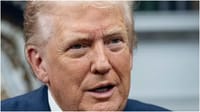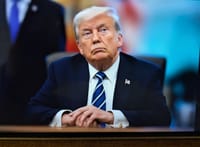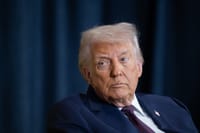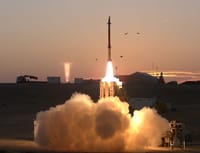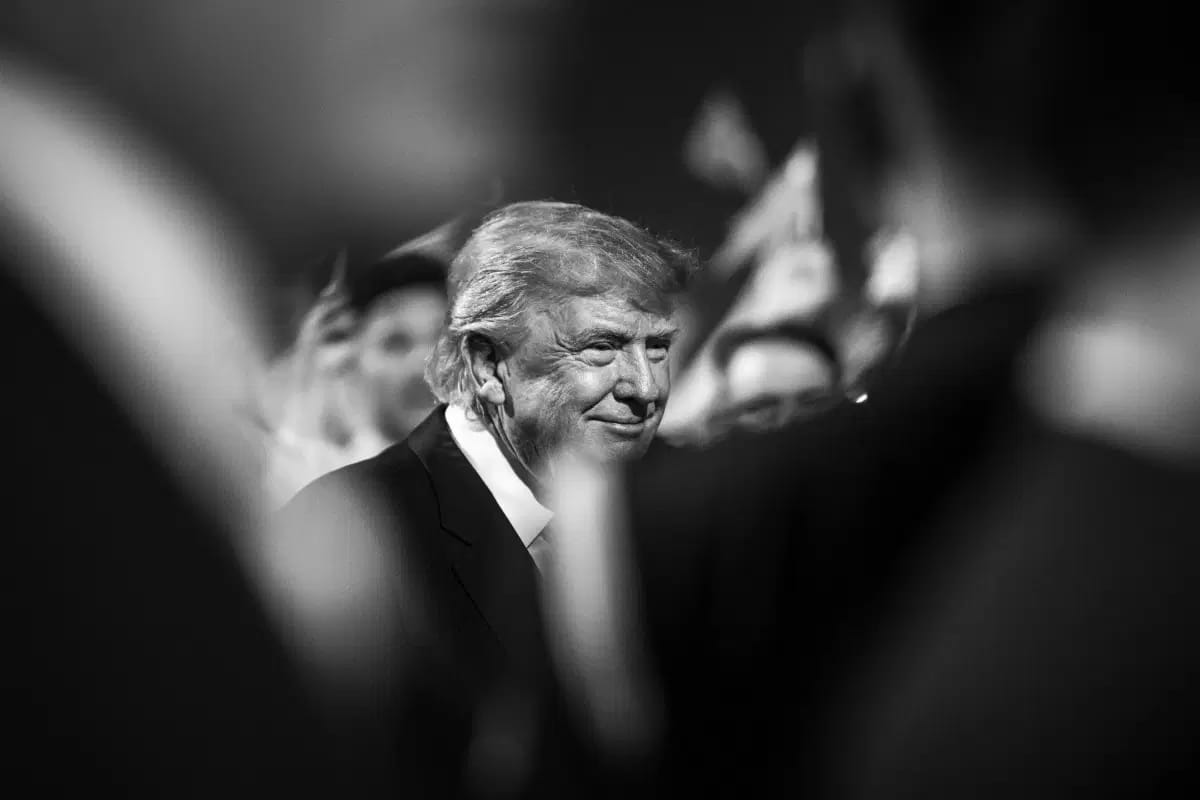
The White House has launched a major diplomatic offensive aimed at permanently reshaping the geopolitical alignment of the Middle East, with President Donald Trump explicitly tying the finalization of any security treaty with Tehran to the immediate expansion of the Abraham Accords. Speaking during a broadcasted cabinet session in the Oval Office, the president shifted the focus of international negotiations from traditional nuclear verification to a broader, mandatory regional peace framework. Trump delivered a blunt, high-stakes ultimatum directly to Saudi Arabia and Qatar, declaring that the United States is highly unlikely to sign any final pact with the Iranian regime if these primary Gulf powers continue to withhold formal recognition of Israel.
This dramatic shift in American foreign policy transforms the ongoing bilateral negotiations with Tehran into a massive diplomatic press designed to force a historic breakthrough between Israel and the Arab world. Special Envoy Steve Witkoff confirmed during the cabinet meeting that Washington is actively pushing additional regional capitals to join the normalization agreements, which had stalled during the initial outbreak of regional hostilities. Trump enthusiastically reinforced his envoy's remarks, stating that he is not entirely sure the United States should bother signing an agreement with Iran at all if the major Gulf monarchies refuse to step up and join the Abraham Accords.
The president punctuated his diplomatic demands with sharp, transaction-focused rhetoric, openly accusing the Gulf leadership of failing to reciprocate past American defense guarantees and strategic support. Trump stated plainly that Saudi Arabia and Qatar owe the United States for decades of security shielding, indicating that the era of open-ended American military protection without diplomatic compliance has come to an end. The administration is banking on the fact that both Riyadh and Doha are desperate to see the regional war concluded and are highly vulnerable to a scenario where Washington simply walks away and lets the armed forces finish the job against a collapsing Iranian state.
The strategy marks a profound departure from conventional statecraft, as the White House actively utilizes the severe economic leverage it holds over a crippled Iranian regime to extract major concessions from its own regional allies. Trump highlighted that Iran is currently negotiating entirely on fumes due to a dismantled military and a crumbling domestic marketplace, leaving Washington in absolute control of the diplomatic timeline. By explicitly merging the nuclear containment of Tehran with mandatory Saudi and Qatari alignment under the Abraham Accords, the president is attempting to engineer a comprehensive regional victory that establishes a permanent, American-led security architecture.
Senior diplomatic planners, including Secretary of State Marco Rubio, have moved quickly to synchronize their negotiation tracks with the president's newly stated red lines. While international mediators continue to audit the specific legal phrasing of early treaty drafts, the White House has made it clear that a standalone nuclear deal is completely off the table. As pressure mounts on the leadership in Riyadh and Doha to break their diplomatic silence, the entire matrix of Middle Eastern warfare and peace has become entirely dependent on whether the Gulf powers are willing to pay the price of admission demanded by Washington.