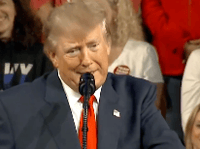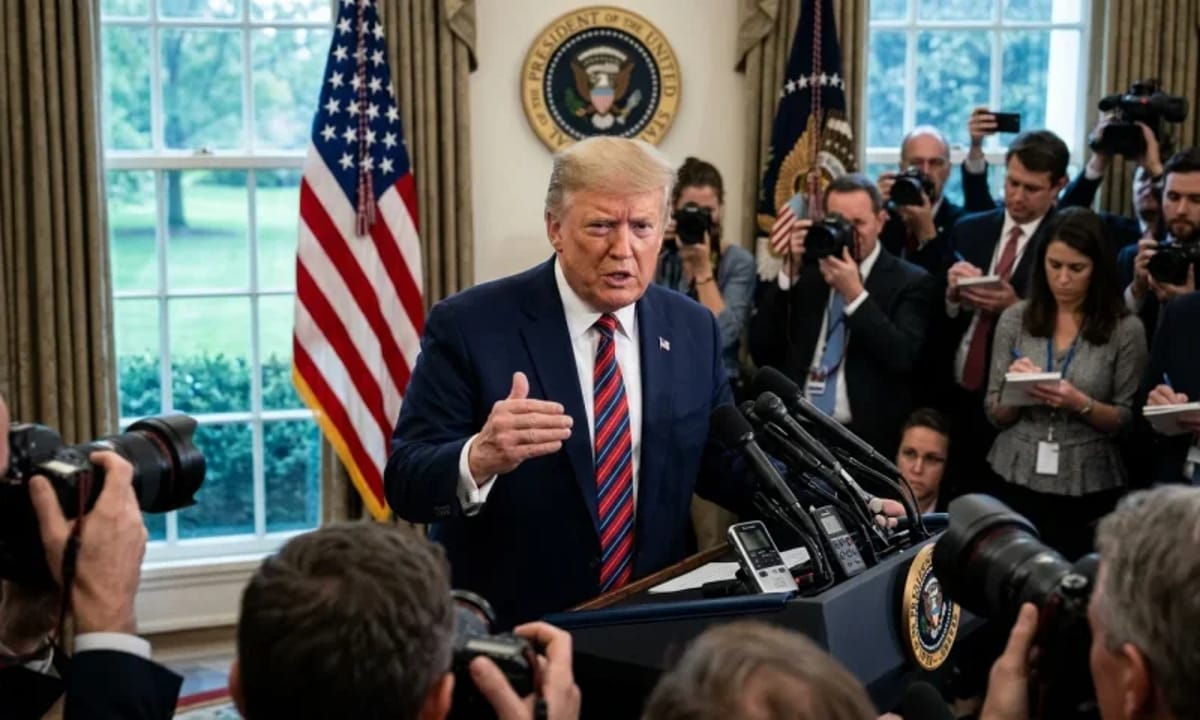
President Donald Trump has forcefully dismissed a series of breaking reports originating from Tehran regarding a potential, highly favorable diplomatic agreement, declaring instead that the fundamentalist regime is running entirely on economic fumes. The sudden political developments follow days of intense administrative denials from the West Wing regarding rumored secret memorandums that allegedly included massive asset thaws and regional troop drawdowns without significant American concessions. Speaking directly to international reporters before convening a mandatory cabinet assembly, the president emphasized that the United States will maintain absolute economic pressure until a comprehensive, multi-stage defense pact is completely finalized and actively implemented.
The ongoing diplomatic standoff took an analytical turn as Iranian state media channels, including outlets closely tied to the Islamic Revolutionary Guard Corps, claimed that an announcement of a unilateral treaty framework was completely imminent. Trump cleanly refuted these assertions, stating definitively that Iran will not receive any sanctions relief in exchange for a simple transition of enriched uranium, adding that they are going to waive the uranium but not for financial reprieves. The administration is openly utilizing the severe geopolitical leverage of the current containment operations as a massive diplomatic press to force neighboring Arab nations, most notably Saudi Arabia, to permanently sign the Abraham Accords and officially recognize Israel.
During a broadcasted cabinet briefing alongside defense officials, the president delivered a scathing review of Iran's internal stability, pointing out that their domestic internet systems had to be completely reopened by the regime just to handle mounting public anxiety. Trump explained that the adversaries want to make a deal desperately because their military structures have been effectively dismantled and their central financial markets are completely collapsing under the weight of current blockades. He added that if ongoing negotiations fail to yield absolute American terms, the armed forces are fully prepared to simply finish the job, gesturing directly to defense planners positioned at his side.
When pressed by regional correspondents regarding the prolonged timeline of the current military operations, the president defended his careful approach by drawing stark historical contrasts to lengthy global campaigns like the Vietnam War, which lasted nineteen years. He noted that the United States has been engaged in the current theatre for only a few months, during which extraordinary operational results were achieved, including the rapid stabilization of secondary global fronts like Venezuela. Trump expressed deep personal sorrow over the loss of thirteen exceptional American service members during these regional flareups, criticizing domestic political opponents for utilizing the casualties in campaign advertisements while ignoring the fact that prior historical campaigns resulted in hundreds of thousands of fatalities.
The geopolitical landscape remains highly complex as Secretary of State Antony Blinken and other diplomatic teams work to navigate the immense gaps separating the baseline expectations of Washington and Tehran. While Iranian negotiators continue to publicly condition any final signatures on the immediate release of billions of dollars in frozen foreign banking assets, American planners refuse to budge on total verification. Senior administrative sources confirmed that while a basic structural consensus exists regarding early initial drafts, it will take several additional days of intense auditing to settle deep disagreements over individual sentences, leaving the final outcome of the regional war entirely hanging in the balance.