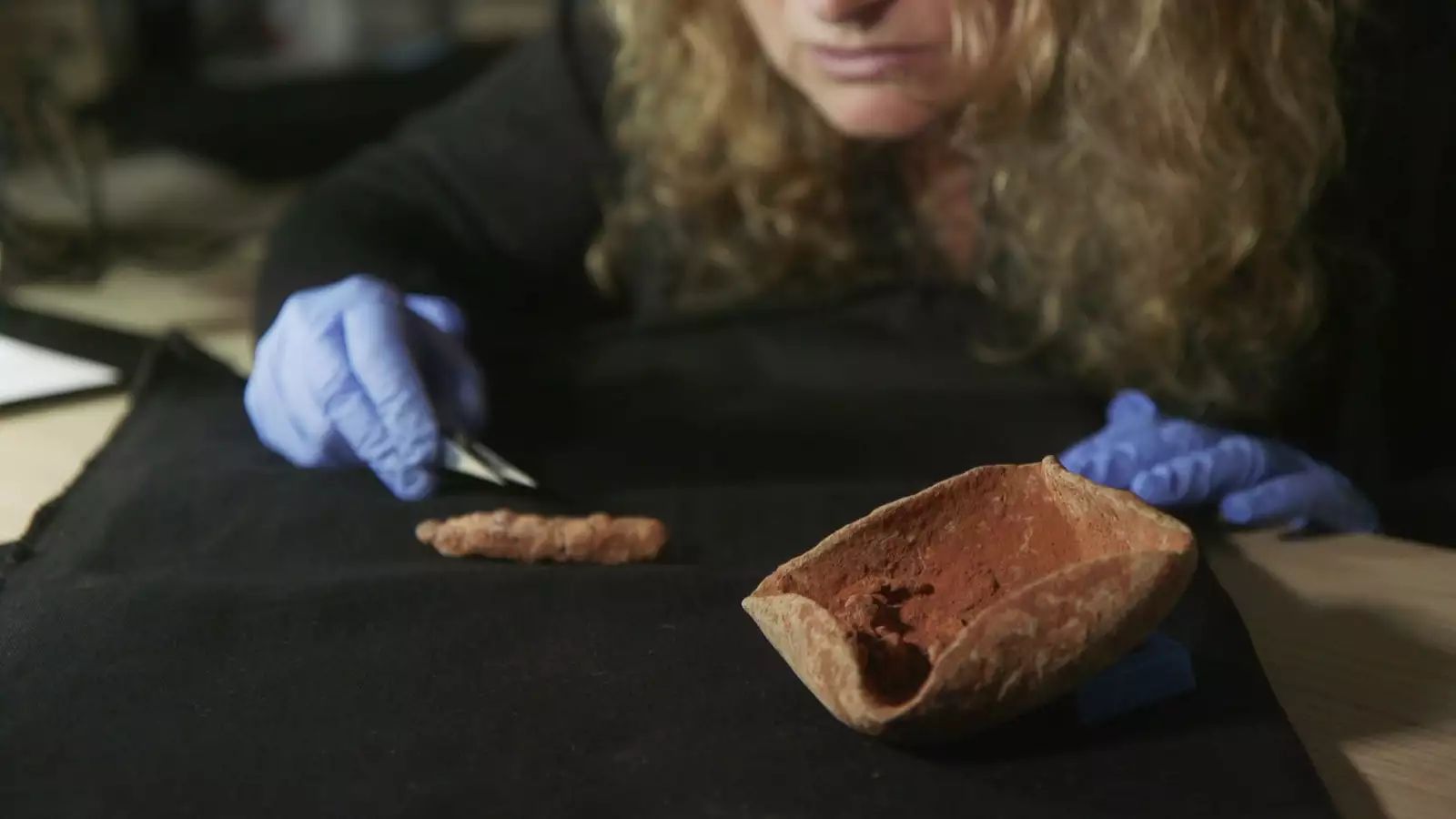
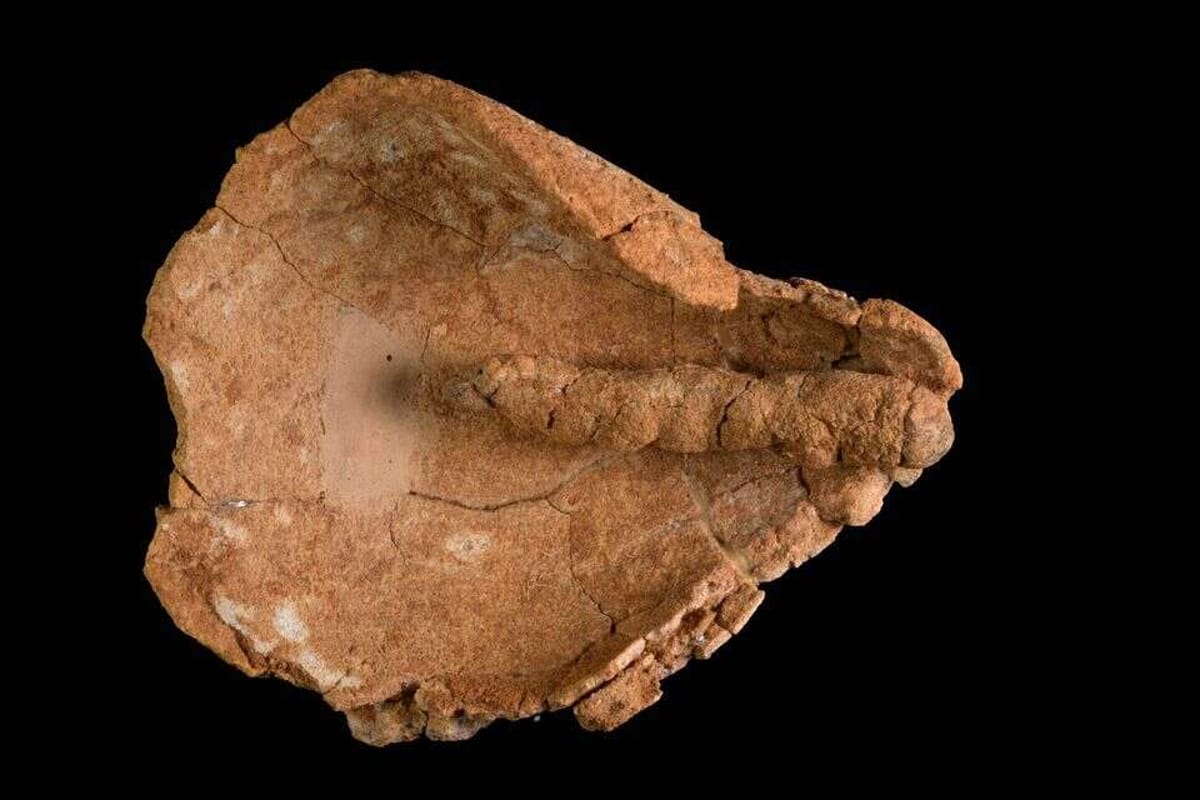
In a rare and extraordinary archaeological find near the Israeli city of Yahud, ancient textile wicks estimated to be around 4,000 years old have been uncovered, making them among the oldest of their kind ever discovered worldwide. The wicks, preserved inside clay oil lamps, offer a unique window into daily life, burial practices, and resourcefulness during the Intermediate Bronze Age.
A Remarkable Preservation in Unlikely Conditions
The discovery was made at the Neve Efraim site, where the Israel Antiquities Authority (IAA) conducted excavations ahead of a new housing development. Despite the humid coastal climate— normally hostile to organic material — the wicks survived intact thanks to a rare fossilization process. Out of three wicks uncovered, one remained fully preserved, a find described by researchers as “exceptionally rare.”
Dr. Naama Sukenik and Dr. Yona Maor of the IAA explained that textile wicks from this period are almost never found, since organic fibers typically disintegrate. “These wicks represent some of the earliest evidence of textile use for lighting in the ancient world,” they noted.
Lamps, Tombs, and Rituals
The oil lamps containing the wicks were discovered inside burial tombs dating to 2500–2000 BCE, alongside grave offerings such as pottery, animal bones, jewelry, and weapons. The lamps, according to excavation directors Dr. Gilad Itach, Yossi Elisha, and Yaniv Agmon, likely served a dual function: to illuminate the tomb during funerary rites and to play a symbolic role in burial rituals. Soot traces on the wicks confirm they had indeed been lit during these ceremonies.