Recent events have cast a shadow over a massive proposed US-Israel arms deal, raising concerns that the Israeli Air Force (IAF) may be investing in the wrong weapon system. The Trump administration is moving to advance the sale of 30 new AH-64E Apache attack helicopters from Boeing to Israel, a deal valued at $3.8 billion. Yet, the necessity of the purchase is being questioned following the recent failure to intercept a Houthi drone that struck Eilat.
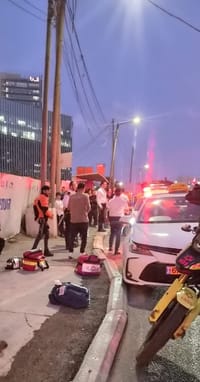
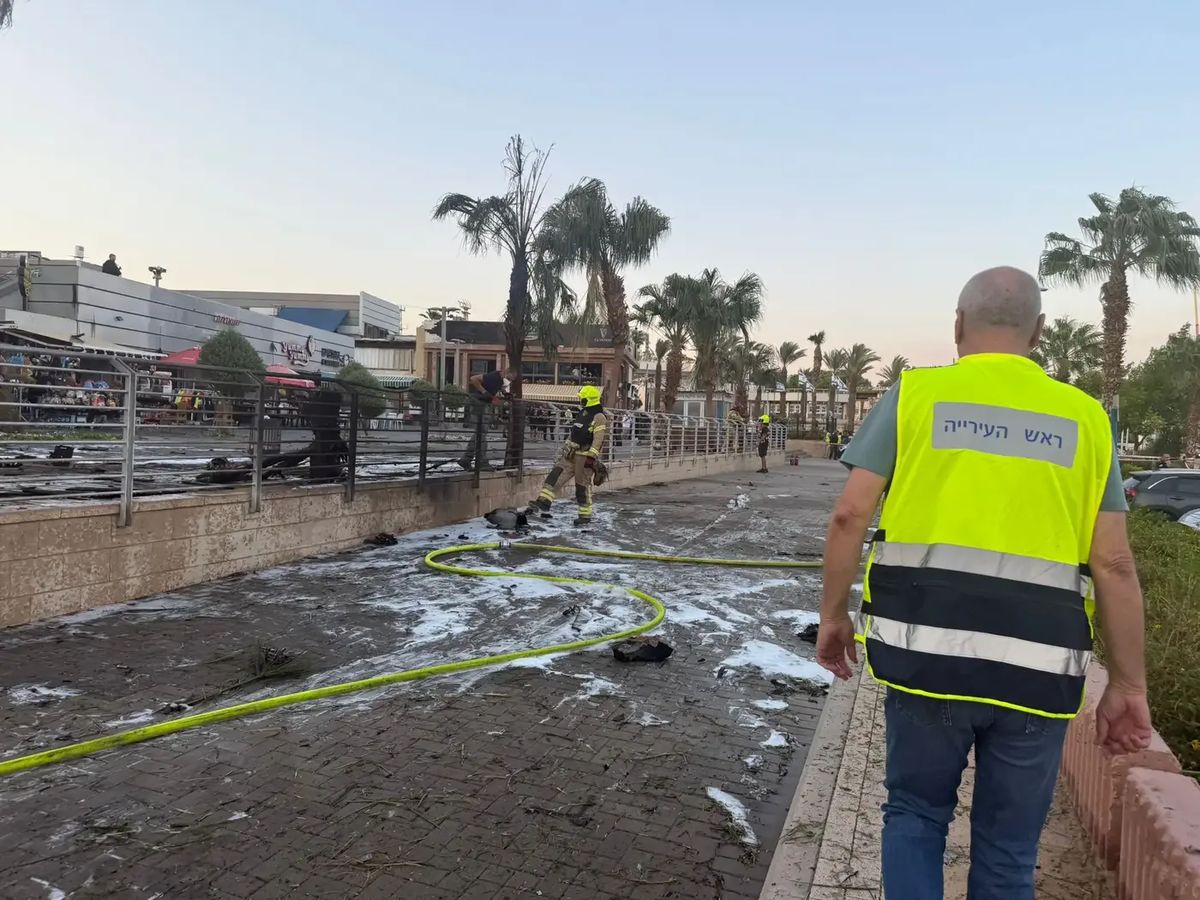
In that incident, a drone was detected too late, and an older model Apache helicopter, along with two Iron Dome interceptors, failed to bring it down before it hit a tourist area in Eilat, injuring 24 people, two seriously.
The Apache, known in the IAF as the "Peten" or "Saraf" depending on the model, is an exceptional combat helicopter that has served the Air Force for 35 years. It has been extensively upgraded with Israeli-made armaments from Rafael and Elbit and is frequently used for precise strikes and drone interceptions. The AH-64E model currently under consideration is more powerful, with improved maneuverability, range, and advanced capabilities to communicate with and even control friendly drones for intelligence and dangerous missions.
However, the helicopter, originally designed 50 years ago to counter Soviet tank columns, comes with significant drawbacks, primarily its exorbitant cost. The deal suggests a price of around $100 million per unit, a figure that includes spare parts, maintenance agreements, and weapon systems. A bare helicopter costs slightly less than $60 million. More critically, its flight hour cost to the US military is approximately $7,000.
These steep operational costs had led the IAF to consider retiring its Apache fleet before the October 7 war, with plans to replace them with much cheaper Israeli-made attack drones, such as Elbit’s Hermes 900 "Kochav." The military urgency following the war led to an immediate rush to purchase spare parts and now the proposal for 30 new helicopters.
Critics argue that the IAF risks repeating past mistakes by acquiring a platform whose high maintenance costs could see them grounded again once wartime budgets return to normal. This concern is echoed globally: just two months ago, South Korea canceled a $3.5 billion deal for 36 Apache E helicopters, choosing instead to allocate funds to other weapons systems. Poland, conversely, has ordered 96 to bolster its defenses against Russia.
Beyond attack drones and the cheaper, capable Bell AH-1Z Viper (the modern version of the Cobra), a new, more cost-effective alternative exists: light attack aircraft. These armed versions of turboprop trainers, such as the Beechcraft AT-6 or the Embraer A-29 Super Tucano, offer ground attack capabilities at a fraction of the cost. Their purchase price is half that of an Apache, and the flight hour cost is only about $2,000, roughly a third of the Apache’s.
Light attack planes can carry comparable armaments, have greater payload capacity, and can stay airborne longer. Their top speed is nearly double the Apache's, and they are easier to fly, making pilot training cheaper. Crucially, they are highly effective at drone interception, a growing threat, and come equipped with ejection seats for pilot safety.
The high operational costs of the Apache mean that even highly effective systems may be unavailable when needed. The cost of the two missed Iron Dome interceptors could have funded a pair of these light attack planes to patrol the skies over Eilat for a full day. In the long-term defense strategy, known as "munitions economics," the ability to sustain the operational cost of weapon systems must be a key security consideration.