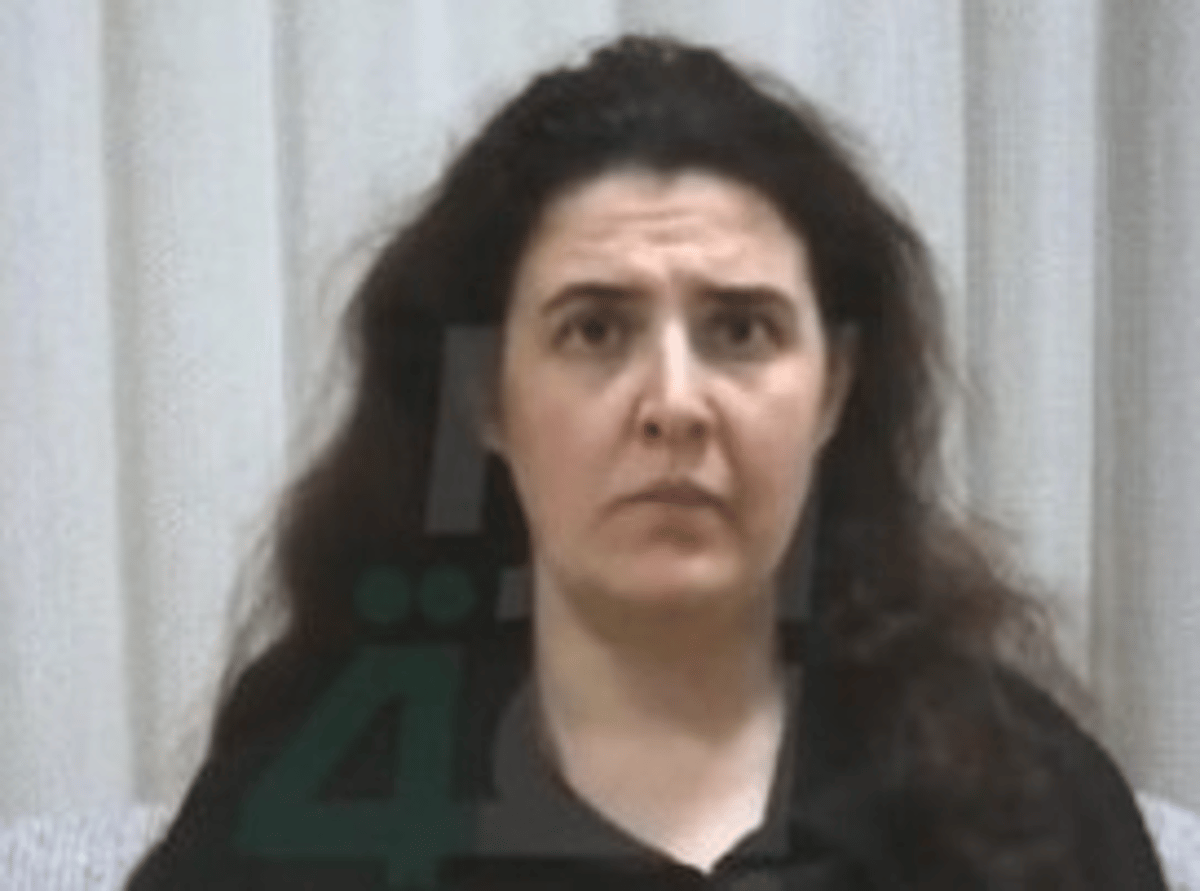
Israeli-Russian academic Elizabeth Tsurkov has given her first public interview since her release, revealing the harrowing two-and-a-half years she spent as a hostage of an Iranian-backed Shiite militia in Iraq. Tsurkov, 38, described a brutal cycle of torture, beatings, electrical shocks, psychological abuse, and sexual threats that left her with severe and potentially permanent medical damage.
In the interview with The New York Times, Tsurkov recounted being used as a "punching bag" by members of the Kataib Hezbollah militia, one of Iraq’s most powerful terror groups. She claims she decided to speak out to "give a voice to Iraqis tortured by the same militia."
Tsurkov was held in complete isolation for 903 days before her release in September.
The Cycle of Torture and Interrogation
From the moment she was kidnapped in central Baghdad, Tsurkov was subjected to relentless abuse. She was lured to a café by a woman on WhatsApp for a supposed research meeting, but was violently abducted on her return journey.
"I screamed and tried to run, but they beat me and sexually assaulted me," she recounted. Realizing resistance was futile when they almost broke her finger, she was blindfolded, zip-tied, thrown into a car trunk, and taken to a large house that served as her prison for the initial months.
Once her captors realized she was Israeli, everything changed. They launched into endless interrogations, demanding she confess to being an Israeli agent.
- Physical Abuse: "They handcuffed me, hung me from the ceiling, and beat me until I lost consciousness," she said. They used electric shocks and forced her into painful positions, causing severe back and shoulder injuries. When she passed out, they threw water on her to wake her up and continue the torture.
- Sexual Threats: The senior interrogator, known as "The Colonel," allegedly threatened her with rape almost daily. "He touched me, threatened me, said disgusting things. He was obsessed with sex," she described. While the threats were repeated often, she said the full assault was not carried out.
- Psychological Toll: For months, she was kept in a windowless room with two cameras, minimal food, and no human contact. To survive the constant beatings and demands for confession, she began to invent plausible stories about being a spy, just to make the abuse stop. She was beaten severely, resulting in a missing tooth, when they discovered she had lied about her military service in Israel, where she claimed to have served in a hospital.
A Change of Hands and Depression
In August 2023, Tsurkov was moved to a new location, which she called a "blessing from God." The new captors stopped the torture. She was given access to books, television, regular food, and eventually, a kitchen and a bathroom, with care provided by a male nurse. However, the isolation and lack of light continued. "I didn't see the sun for more than two years," she revealed.
Tsurkov believes she was held near the Iranian border, potentially at a Kataib Hezbollah base, and felt the earth shake from nearby Israeli attacks on Iranian targets during the war. Despite the improvement in conditions, the pain from her injuries persisted, and she sank into deep depression. "There were moments I thought there was no point in living," she admitted. Yet, she found a coping mechanism, analyzing her situation and mentally drafting the structure of the PhD thesis she planned to write for Princeton.
The Release and Aftermath
In September 2024, without warning, she was driven away with her eyes covered. The next day, after 903 days, she was handed over to an Iraqi government representative, who told her in English she was in safe hands. She was finally examined by female doctors and met Marc Sievers, an American businessman close to President Trump, who escorted her to freedom. Tsurkov credits intense US diplomatic pressure as the decisive factor in her release, stating, "I truly believe I would have died there if they hadn't insisted so strongly."
Since returning to Israel, Tsurkov has been undergoing intensive medical and physical rehabilitation at Sheba Hospital. Her doctors have noted nerve damage that may be permanent, requiring long-term physical and psychological care.
"I'm trying to figure out how to continue from here," she said. "I am alive, but my body is still there, in that room, without a window, without the sun."