The Ministry of Defense has officially authorized a groundbreaking and unprecedented operational shift, granting a historical foreign allocation of international personnel to work directly within the domestic defense manufacturing sector. The momentous administrative decision, which was formally signed and approved by Defense Ministry Director-General Amir Baram, marks the very first time in national history that non-citizens have been permitted to enter an industrial domain that typically requires the highest levels of security clearance. The emergency measure was deemed absolutely necessary to sustain the accelerated production schedules forced by the two-year-old war.
According to senior defense procurement officials, the initial phase of the program involves the immediate integration of several dozen specialized international technicians into targeted manufacturing roles where critical labor shortages have threatened output. Executive boards emphasized that the employment of these foreign specialists is structured as a strictly temporary safeguard while alternative programs train up new generations of domestic workers. The sudden influx of personnel reflects a broader national trend aimed at completely replacing traditional regional commuter workforces with secured international alternatives.
The drastic need for additional manpower arrives amid an unprecedented surge in global and domestic demand for advanced weapon systems, interceptor missiles, and heavy artillery ammunition. Production facilities managed by Israel Aerospace Industries, Elbit Systems, and Rafael Advanced Defense Systems have collectively added more than five thousand new personnel to their payrolls over the past twenty-four months to keep pace with the consumption rates of the front-line forces. The industrial expansion has been fueled by the signing of massive, multi-billion-dollar government contracts designed to replenish emergency stockpiles.
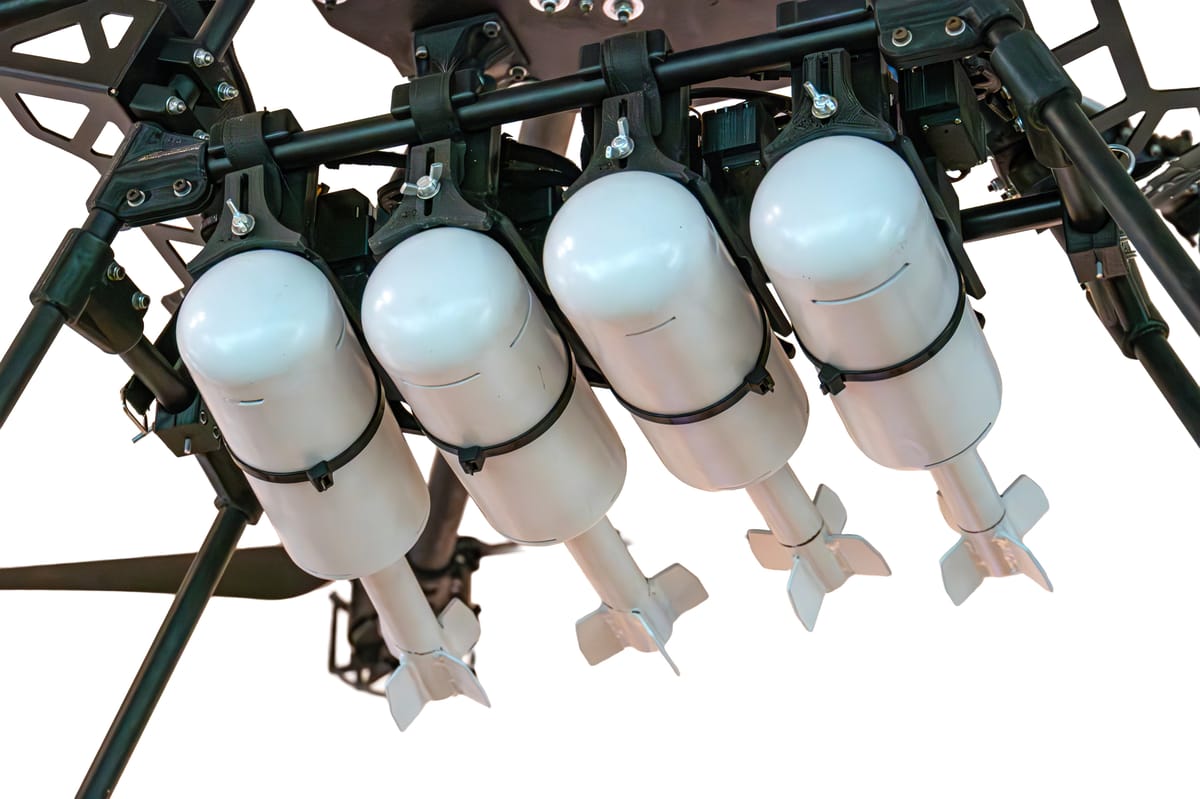
The historical foreign allocation will directly support the assembly lines tasked with producing critical defensive and offensive assets, including Arrow strategic interceptors, localized Iron Dome batteries, and David's Sling air defense components. Furthermore, the specialized teams will assist in the rapid fabrication of ground munitions and aerial bombs needed to sustain multi-theater operations. Government monitors confirmed that these international workers have already been deployed across alternative economic sectors, including infrastructure projects, commercial automotive facilities, and public logistics hubs.
While security purists have raised minor concerns regarding the long-term management of sensitive corporate data, industrial directors insist that rigorous vetting protocols have been strictly implemented to protect manufacturing secrets. The accelerated manufacturing drive is seen as a vital element of the state's long-term strategy to achieve total industrial self-sufficiency during prolonged kinetic campaigns. As factories continue to run on continuous twenty-four-hour rotations, this historical foreign allocation underscores the extreme measures being taken to ensure the steady flow of vital armaments to the front lines.