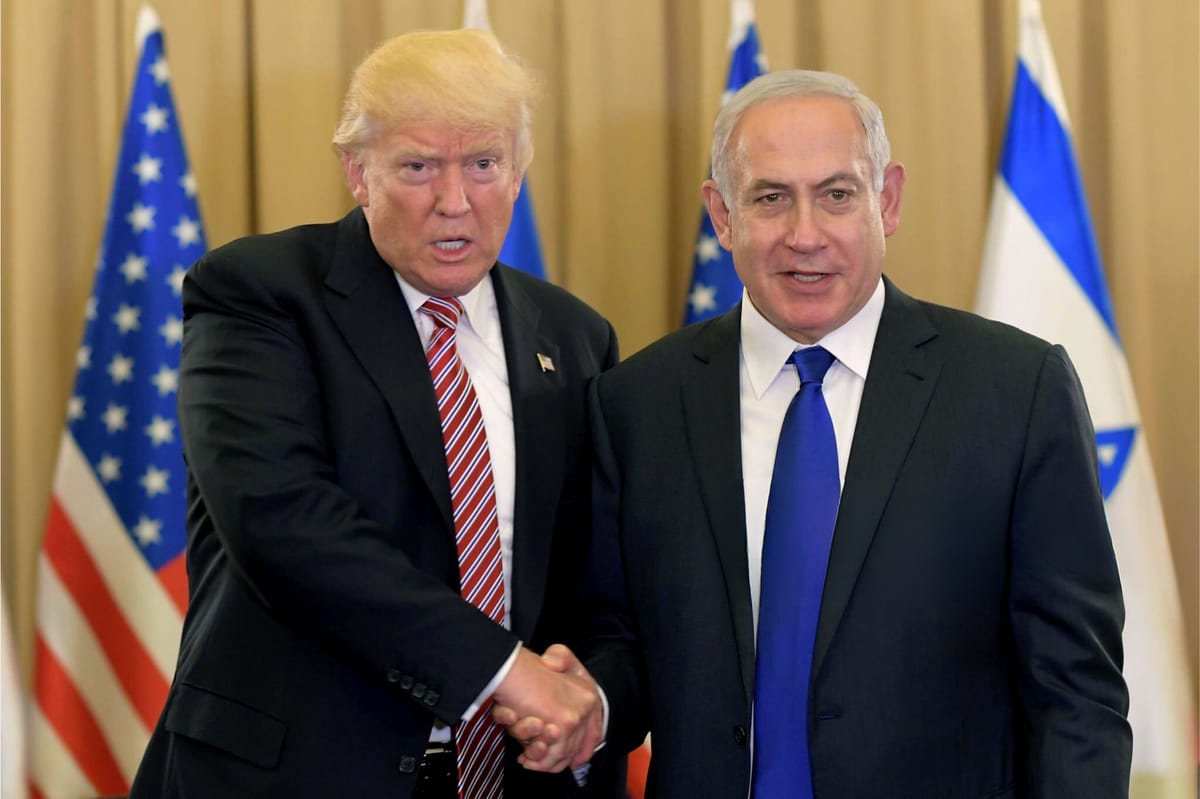
The United States administration has expressed deep, systemic anxiety regarding the strategic direction of the ongoing war in Lebanon, leading to a highly volatile confrontation between President Donald Trump and Prime Minister Benjamin Netanyahu. Senior American officials disclosed that the White House felt the Israeli leadership was rapidly losing control of the operational environment, initiating military actions that risked completely dismantling delicate, high-stakes diplomatic initiatives with foreign partners. The intense backchannel dispute has caused immense worry within Jerusalem, where top advisors fear the friction will result in immediate, binding restrictions on future defensive maneuvers.
The immediate catalyst for the severe diplomatic shift was a joint public declaration issued by the Prime Minister alongside defense officials, which was rapidly followed by a localized video message containing direct threats to initiate heavy bombardments within the capital city of Beirut. This public posturing triggered instant, immense pressure from regional mediators, who immediately transferred their security concerns directly to the executive offices of the White House. The sudden escalation forced Washington to step in aggressively to freeze the planned aerial initiatives.
During the subsequent communication, which insiders described as an incredibly harsh and terrible exchange, President Trump ordered the Israeli leadership to immediately abandon the planned offensive inside Beirut. The administration made it clear that blowing up the fragile regional equilibrium would directly torpedo the ongoing negotiations being held with the Iranian regime. American representatives emphasized that continuing down this path would only serve to increase the international isolation currently facing the state.
As the conversation grew increasingly heated, the American President invoked past political and legal assistance as leverage, reminding the Prime Minister of the extensive personal and systemic support provided during previous domestic crises. In a series of direct, unfiltered statements, the President questioned the long-term utility of the current strategy, demanding to know what the hell the leadership was trying to achieve while global public opinion shifted. The explicit nature of the reprimand has left local planners scrambling to assess the potential fallout on future armaments and intelligence sharing.
While official channels have attempted to minimize the long-term impact of the call, the internal consensus in Jerusalem remains highly anxious. Security coordinators are operating under the assumption that the White House is preparing to enforce strict, unyielding boundaries on all future front-line engagements. With the geopolitical landscape shifting rapidly, this raw display of diplomatic friction underscores the deep vulnerabilities connecting local defensive operations to broader international pacts.