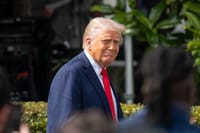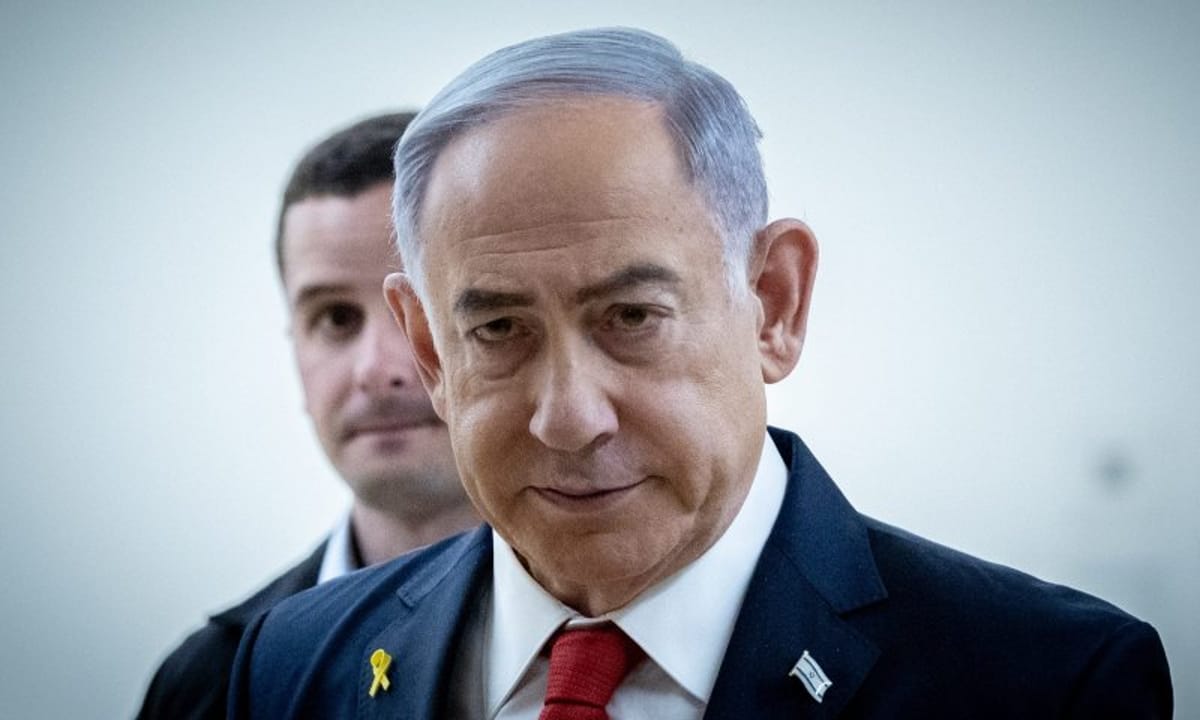
An atmosphere of absolute paralysis and deep institutional disbelief has taken hold of the Prime Minister's Office in Jerusalem following a sudden, dramatic intervention by United States President Donald Trump. Senior political correspondents embedded with the administration reported that the premier's immediate staff were caught entirely off guard by the public declaration from Washington, which explicitly ordered Israel to halt its planned offensive operations against the Hezbollah terrorist organization. The unexpected directive from the White House arrived precisely as military units were preparing to launch a comprehensive aerial campaign designed to neutralize terrorist strongholds.
The internal fallout from the American intervention was first detailed by prominent political journalist Moriah Asraf, who maintains extensive, highly reliable intelligence pipelines directly within the upper echelons of the executive staff. Describing the immediate aftermath of the announcement, Asraf noted that a total, heavy silence is currently prevailing throughout the halls of the Prime Minister's Office as top decision makers struggle to process the rapid shifting of geopolitical variables. The sudden administrative freeze has left senior security advisers momentarily unable to formulate a public response or articulate a path forward.
The aggressive policy maneuver by the American administration has sparked severe concerns among regional political analysts regarding the absolute independence of the state's wartime decision making core. Commenting on the unprecedented leverage exerted by Washington, Asraf emphasized that a reality in which an American president, regardless of how friendly or supportive toward the state he might generally be, actively dictates and manages the immediate security policies of the nation is a situation that ought to deeply trouble every single citizen. The sentiment highlights a growing friction between localized defense requirements and global diplomatic maneuvers.
According to classified leaks from internal strategic briefings, the primary motivation driving the sharp American intervention is an acute, systemic fear of triggering a total, direct war with the Iranian regime. Washington planners reportedly concluded that the planned bombardment of the southern suburbs of Beirut would systematically dismantle any remaining avenues for international diplomacy, forcing Tehran to fulfill its explicit threats of launching direct counter strikes against major urban centers. To prevent this catastrophic regional escalation, the White House chose to apply maximum diplomatic pressure to force a rapid operational pause on the northern front.
As the political dust settles, the executive cabinet under the direction of Prime Minister Benjamin Netanyahu remains locked in urgent, closed door consultations to assess the structural damage to its broader military strategy. With frontline forces originally positioned to execute a crushing blow against terrorist infrastructure, the sudden enforcement of an externally mandated pause has disrupted tactical momentum. The administration must now navigate a complex domestic landscape while attempting to preserve its vital, foundational alliance with the United States government during a period of acute national vulnerability.