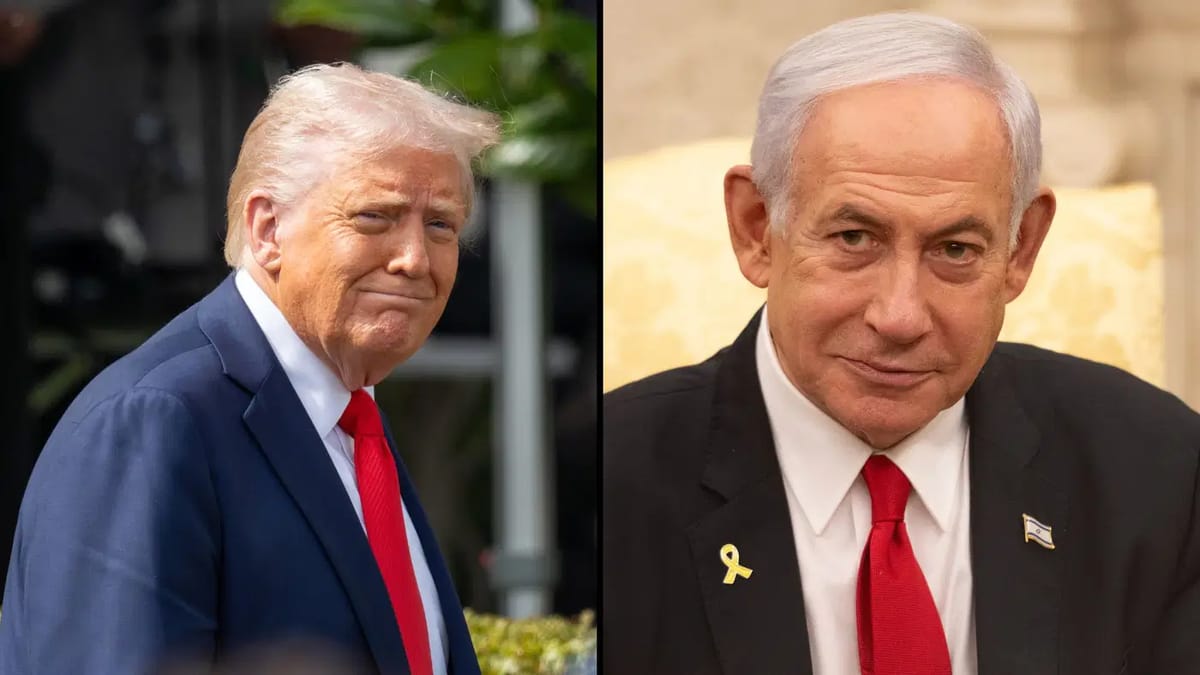
An intense diplomatic intervention from the United States has successfully paused an imminent, large scale Israeli retaliatory assault on the Dahieh district of Beirut, shifting the immediate trajectory of the northern war. Prime Minister Benjamin Netanyahu engaged in a critical telephone discussion with American President Donald Trump to manage the worsening regional crisis, occurring exactly seven hours after the prime minister initially issued operational directives to execute a sweeping aerial campaign against the Lebanese capital. The heavy bombardment had been delayed at the absolute last minute following direct diplomatic pressure from Washington, amid acute concerns over severe Iranian threats to launch direct kinetic strikes against the Israeli home front if the metropolitan suburbs were touched.
The crucial delay in the military operation provided an opening for Lebanese diplomatic mediators to transmit an unexpected, sweeping truce proposal directly to the White House. Nabih Berri, the Speaker of the Lebanese Parliament, officially notified the Trump administration that the Hezbollah terrorist organization is now fully prepared to enter into a complete and immediate ceasefire with Israel, while explicitly pledging to guarantee the strict organizational implementation of the truce. The rapid diplomatic development represents a profound shift in the group’s posture, arriving after consecutive weeks of expanded rocket attacks that had driven Israeli security planners to demand a severe, disproportionate response in the heart of Beirut.
Additional operational details surrounding the active negotiation track were disclosed by Ali Hamdan, a senior political advisor to Speaker Berri. Hamdan revealed that the initial framework presented to Lebanese leadership proposed a localized compromise, suggesting that Hezbollah would completely cease its targeting of northern Israel in exchange for an absolute Israeli commitment to refrain from bombing Beirut, with the truce gradually expanding to alternative territorial zones over time. However, Berri rejected the partial concept, questioning why they should settle for a fractional ceasefire when the current crisis demands a comprehensive end to the violence, prompting the push for an immediate, total cessation of hostilities.
The backchannel communication network utilized by the Lebanese Speaker remains highly functional, enabling civilian mediators to pass direct messages to the supreme leader of Hezbollah, Naim Qassem, who has remained deeply entrenched in a hidden location since the systematic elimination of the terrorist group's senior command structure. Hamdan expressed absolute confidence regarding the group’s compliance with the newly proposed terms, stating that they are entirely certain that Hezbollah will fulfill its obligations for a total ceasefire. The senior advisor emphasized that a comprehensive halt to the war would prove far more effective than a segmented deal, adding that all parties are acutely aware that time is rapidly running out.
The fluid diplomatic situation gained further clarity through an official public statement released via social media by President Trump. In the verified digital broadcast, Trump confirmed that he had just concluded a very productive call with Prime Minister Bibi Netanyahu, asserting that there will be no troops going to Beirut, and confirming that any forces that were actively on their way have already been turned back. The American leader added that through highly placed representatives, he had secured a very good call with Hezbollah, resulting in an agreement that all shooting will stop, ensuring that Israel will not attack them and they will not attack Israel.
The successful American mediation highlights the deep structural anxieties within the international community regarding the potential intertwining of the Lebanese and Iranian operational arenas. Up to this critical juncture, defense planners under the guidance of Chief of Staff Eyal Zamir had largely succeeded in keeping the two active theaters isolated from one another, preventing a localized border war from transforming into a catastrophic regional conflagration. While Israeli security cabinets continue to exert immense internal pressure to deliver a decisive, punitive blow against the terrorist infrastructure in the capital, the immediate priorities of the White House have forced a dramatic tactical pause as diplomats race to finalize a binding international agreement.