Will They Shut Down the State?

Ger Hasid Released After Mass Protest — Now Activists Plan to Stop Traffic a Different Way

Yechiel Kotiner freed after six days in military jail following historic Ger Rebbe-led protest • New initiative: slow-moving car convoys from across Israel to converge on Prison 10 Wednesday evening | The next phase (Haredim)

Ger Hasid Released
Ger Hasid Released

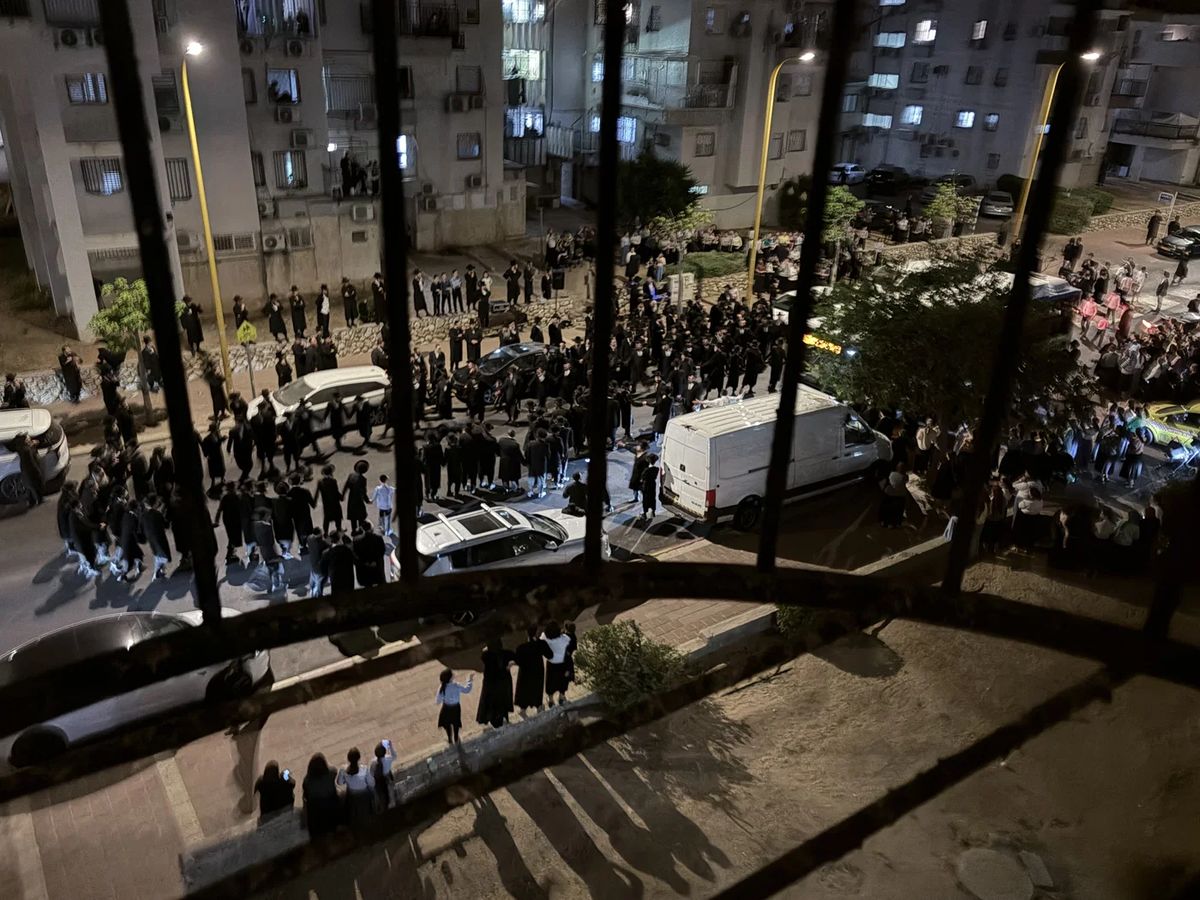
The dramatic saga that convulsed Ger Hasidism reached its conclusion Sunday night, but it has already ignited a new and unprecedented protest initiative in the haredi street: hundreds of Ger hasidim in Ashdod's Gimel neighborhood welcomed Yechiel Kotiner home with dancing and singing after his release from military detention, while activists across the haredi world began organizing what could become one of the most disruptive demonstrations yet against draft enforcement.

Kotiner, who had been held in military prison for six days after failing to report to the IDF recruitment office, was freed following intensive behind-the-scenes efforts by Ger activists who secured a full medical exemption from military service. The release came in the wake of a historic protest led by the Gerrer Rebbe himself outside Prison 10 last Wednesday, an unprecedented move that sent shockwaves through the haredi world and demonstrated the depth of communal opposition to draft enforcement.

The Next Wave: Slow-Motion Convoy to Prison 10

Even as Kotiner's supporters celebrated his freedom, a new protest initiative was rapidly gaining momentum across haredi communities. What began as an idea among several yeshiva students has now reached senior communal figures who are actively working to advance the plan, according to information obtained by Kikar HaShabbat.

The proposal calls for a coordinated "car convoy" protest this coming Wednesday evening, between 4:00 PM and 8:00 PM, with vehicles departing from multiple locations across Israel and converging on the military prison in deliberately slow-moving columns. Participants would drive at minimum legal speeds while displaying protest signs and playing music, creating a highly visible demonstration of opposition to what organizers characterize as the persecution of Torah scholars.

The initiative represents a tactical evolution in haredi protest strategy. Rather than static demonstrations that can be contained by police, the slow-moving convoy format would spread the protest across major roadways, potentially creating significant traffic disruptions while remaining technically within legal bounds. Organizers are banking on the visual impact of hundreds of vehicles moving in coordinated formation toward the prison facility.

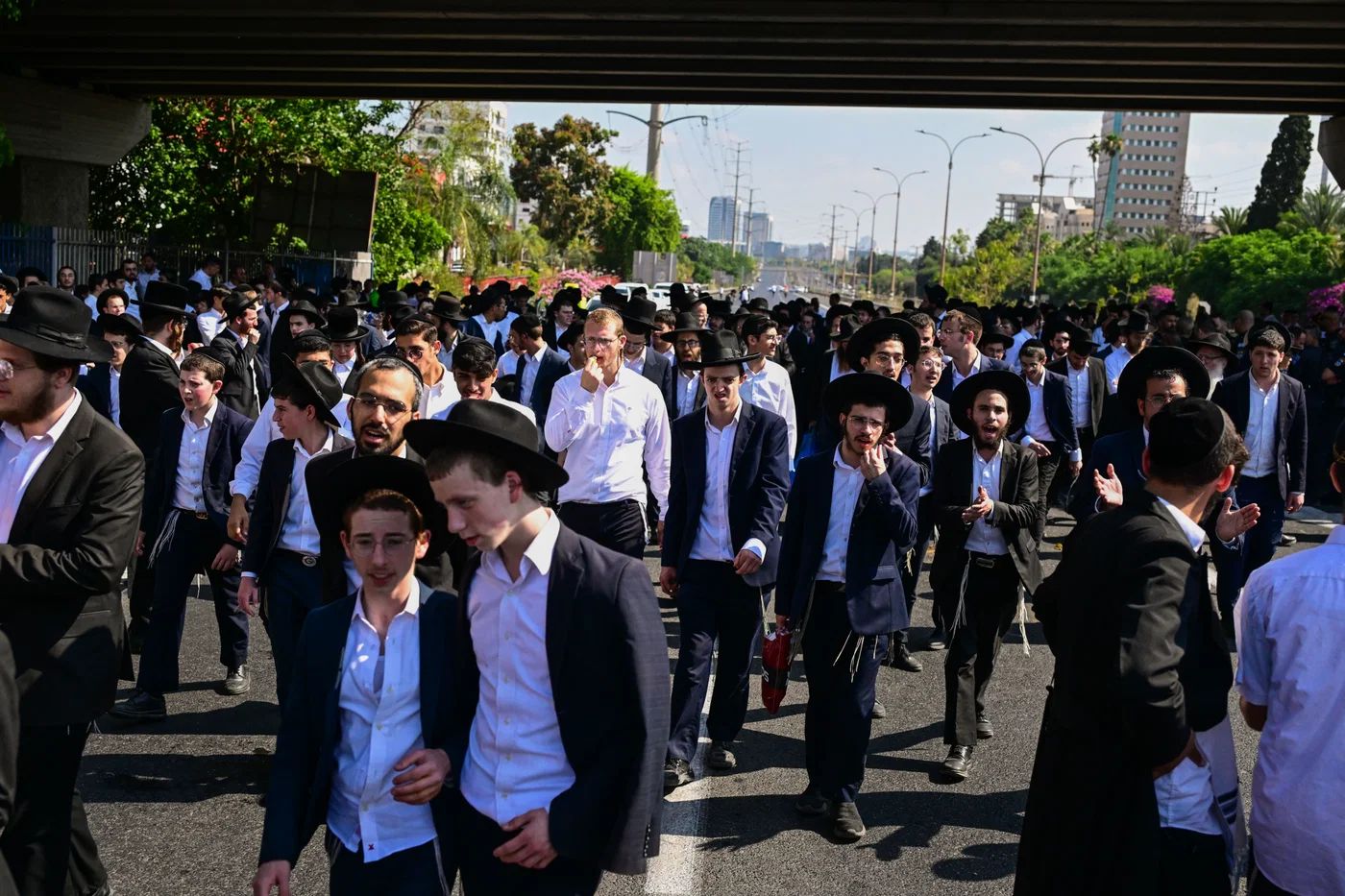
Anti-draft protest, June 17, 2026
Anti-draft protest, June 17, 2026 (Photo: Avshalom Sassoni / Flash90)

At this stage, it remains unclear which hasidic courts and haredi communities will formally join the initiative. The plan is still in organizational phases, with activists using social media and community networks to spread the word and coordinate departure points. The success of the convoy will depend heavily on whether major haredi population centers — particularly in Jerusalem, Bnei Brak, and Ashdod — produce significant numbers of participants.

The timing of the new protest initiative is significant. It comes as tensions over draft enforcement have reached a boiling point, with documented evidence emerging of police systematically violating use-of-force protocols at haredi demonstrations. Video footage has shown officers throwing stun grenades directly at protesters and deliberately turning off body cameras before attacks, raising serious questions about law enforcement conduct that are now the subject of a parliamentary inquiry gaining unexpected traction in the Knesset.

The Kotiner case became a flashpoint precisely because it embodied haredi fears about aggressive draft enforcement. His arrest and detention galvanized Ger Hasidism in ways few issues have, prompting the Rebbe's rare public intervention and the massive Wednesday protest that drew thousands to the prison gates. The swift resolution through a medical exemption may have defused this particular crisis, but the broader confrontation over yeshiva student conscription shows no signs of abating.

As Wednesday evening approaches, Israeli security officials will be watching closely to see whether the convoy initiative gains critical mass. A successful mobilization could establish a new template for haredi protest action — one that leverages Israel's dense road network and the community's growing vehicle ownership to create disruption without the violent clashes that have marred recent demonstrations. For now, organizers are pushing ahead with planning, determined to keep the pressure on authorities over what they view as an existential threat to the Torah world.


Ready for more?

Join our newsletter to receive updates on new articles and exclusive content.

We respect your privacy and will never share your information.