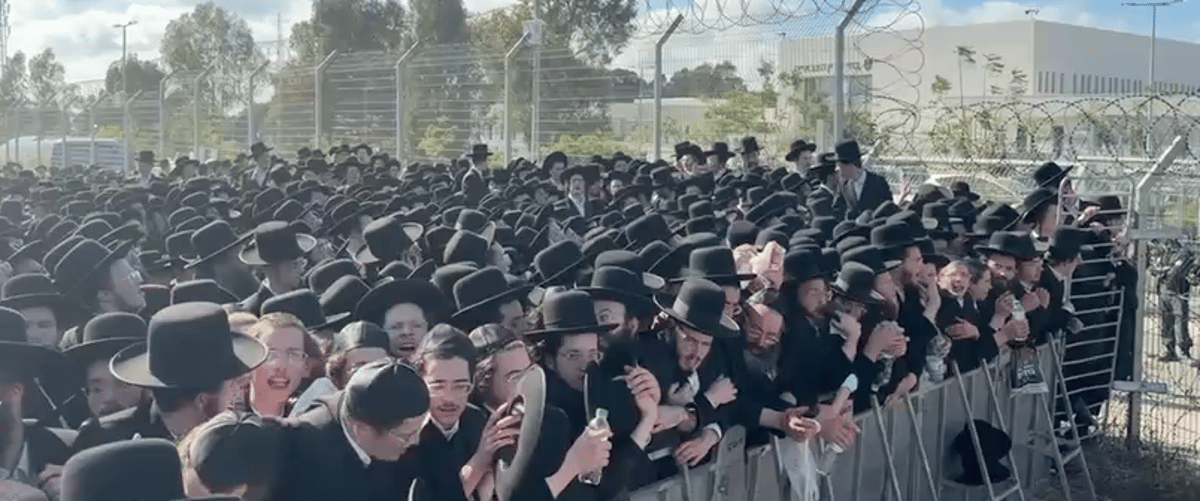
For decades, the Gerrer Chassidus (also known as Gur) Israel’s largest Hasidic community with tens of thousands of members, has deliberately stayed away from the chaotic street protests that have become common in the Haredi world. While other factions blocked roads, clashed with police, or held mass rallies, Gerrer leaders preferred quiet political negotiations through parties like Agudat Yisrael.
The Historical Reason for Caution
This approach was shaped by painful past lessons. In previous decades, Haredi protests occasionally spiraled into violence, including incidents in which police officers were seriously injured or killed during clashes involving stone-throwing, road blockages, and riots. Gerrer leadership viewed these outcomes as counterproductive: they damaged the community’s image, strained relations with authorities, and risked “chillul Hashem” (desecration of God’s name). The group’s tightly disciplined, hierarchical structure under the Rebbe emphasized internal cohesion and behind-the-scenes influence over public confrontation. ynetnews.com
The Turning Point in 2026
That longstanding policy is now shifting. In recent weeks, Gerrer Hasidim have joined or supported protests, including a notable demonstration outside a military prison where one of their own yeshiva students was held after arrest for draft evasion. Buses from Gerrer strongholds carried hundreds (and expectations of thousands) to show solidarity.
Why the change?
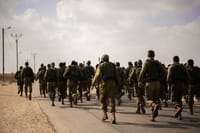
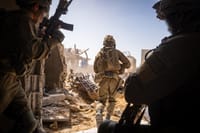
Direct enforcement has hit home. Israeli authorities, backed by court rulings and post-Oct. 7 manpower needs, have begun arresting Haredi draft-dodgers, including Gerrer-affiliated young men. When political channels failed to fully shield their community, Gerrer leaders authorized visible action to protect Torah study and their way of life.
Broader Context and Tragedies
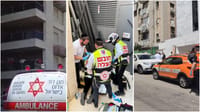
The wider Haredi protests against mandatory conscription have been intense throughout 2026, with road blockages, clashes, and arrests. In January, tragedy struck when 14-year-old Yosef Eisenthal, a yeshiva student, was killed during a protest in Jerusalem’s Romema neighborhood. A bus driver, surrounded and attacked by protesters blocking the road, accelerated through the crowd in panic, fatally running over the boy. The incident fueled further outrage and highlighted the dangers of uncontrolled demonstrations.
Gerrer’s entry into the fray remains more controlled than some radical factions (like elements of the Jerusalem Faction), but it signals deepening frustration across the Haredi spectrum as exemptions erode.
As coalition tensions rise and the draft debate threatens political stability, even the most politically savvy Hasidic group finds itself pulled into the streets. For Gerrer, this marks a rare break from tradition — born not of preference, but of necessity in what many see as an existential fight for their spiritual future.